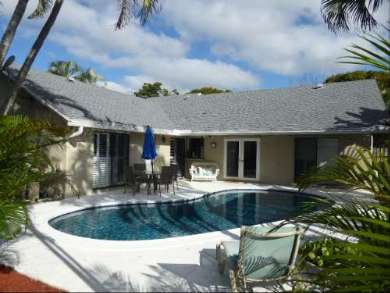
View as PDF

View report

Logo

ANGEL EYES INSPECTIONS, LLC

http://WWW.ANGELEYESINSPECTIONS.COM
GUARINO007@ATT.NET
(954) 547-4611 · (561) 809-7731
3528 FEATHERWOOD DR #223 
LAKE WORTH, FL 33467
Inspector: CHRISTOPHER GUARINO
HI9504

Summary

Client(s):  ANTHONY QUATTROCIOCCHI
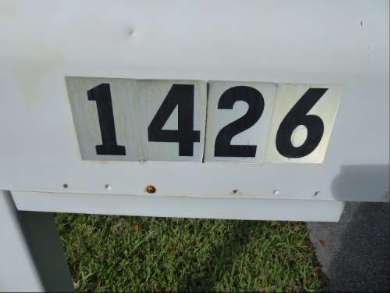
Property address:  1426 GALLINULE CIRCLE
DELRAY BEACH, FL 33444
Inspection date:  Saturday, February 26, 2022

This report published on Saturday, February 26, 2022 10:39:33 PM CST

2. Limitations, Exceptions & Exclusions 2.1. Limitations:
I. An inspection is not technically exhaustive.
II. An inspection will not identify concealed or latent defects.
III. An inspection will not deal with aesthetic concerns or what could be deemed matters of taste, cosmetic defects, etc.
IV. An inspection will not determine the suitability of the property for any use. V. An inspection does not determine the market value of the property or its marketability.
VI. An inspection does not determine the insurability of the property.
VII. An inspection does not determine the advisability or inadvisability of the purchase of the inspected property.
VIII. An inspection does not determine the life expectancy of the property or any components or systems therein.
IX. An inspection does not include items not permanently installed.
X. These Standards of Practice apply only to properties with four or fewer residential units.
2.2. Exclusions: I. The inspector is not required to determine:
A. property boundary lines or encroachments.
B. the condition of any component or system that is not readily accessible.
C. the service life expectancy of any component or system.
D. the size, capacity, BTU, performance or efficiency of any component or system.
E. the cause or reason of any condition.
F. the cause for the need of correction, repair or replacement of any system or component.
G. future conditions.
H. compliance with codes or regulations.
I. the presence of evidence of rodents, birds, animals, insects, or other pests.
J. the presence of mold, mildew or fungus.
K. the presence of airborne hazards, including radon.
L. the air quality.
M. the existence of environmental hazards, including lead paint, asbestos or toxic drywall.
N. the existence of electromagnetic fields.
O. any hazardous waste conditions.
P. any manufacturers' recalls or conformance with manufacturer installation, or any information included for consumer protection purposes.
Q. acoustical properties.
R. correction, replacement or repair cost estimates.
S. estimates of the cost to operate any given system.
II. The inspector is not required to operate:
A. any system that is shut down.
B. any system that does not function properly.
C. or evaluate low-voltage electrical systems such as, but not limited to: 1. phone lines; 2. cable lines; 3. satellite dishes; 4. antennae; 5. lights; or 6. remote controls.
D. any system that does not turn on with the use of normal operating controls.
E. any shut-off valves or manual stop valves.
F. any electrical disconnect or over-current protection devices.
G. any alarm systems.
H. moisture meters, gas detectors or similar equipment.
III. The inspector is not required to:
A. move any personal items or other obstructions, such as, but not limited to: throw rugs, carpeting, wall coverings, furniture, ceiling tiles, window coverings, equipment, plants, ice, debris, snow, water, dirt, pets, or anything else that might restrict the visual inspection.
B. dismantle, open or uncover any system or component.
C. enter or access any area that may, in the opinion of the inspector, be unsafe.
D. enter crawlspaces or other areas that may be unsafe or not readily accessible.
E. inspect underground items, such as, but not limited to: lawn-irrigation systems, underground storage tanks or other indications of their presence, whether abandoned or actively used.
F. do anything which may, in the inspector's opinion, be unsafe or dangerous to the inspector or others, or damage property, such as, but not limited to: walking on roof surfaces, climbing ladders, entering attic spaces, or negotiating with pets.
G. inspect decorative items.
H. inspect common elements or areas in multi-unit housing.
I. inspect intercoms, speaker systems or security systems.
J. offer guarantees or warranties.
K. offer or perform any engineering services.
L. offer or perform any trade or professional service other than general home inspection.
M. research the history of the property, or report on its potential for alteration, modification, extendibility or suitability for a specific or proposed use for occupancy.
N. determine the age of construction or installation of any system, structure or component of a building, or differentiate between original construction and subsequent additions, improvements, renovations or replacements.
O. determine the insurability of a property.
P. perform or offer Phase 1 or environmental audits.
Q. inspect any system or component that is not included in these Standards.

Concerns are shown and sorted according to these types:
SafetyPoses a safety hazard
Major defectCorrection likely involves a significant expense
Repair/ReplaceRecommend repairing or replacing
Repair/MaintainRecommend repair and/or maintenance
Minor defectCorrection only involves a minor expense
MaintainRecommend ongoing maintenance
EvaluateRecommend evaluation by a specialist
MonitorRecommend monitoring in the future
CommentFor your information


Exterior and Foundation
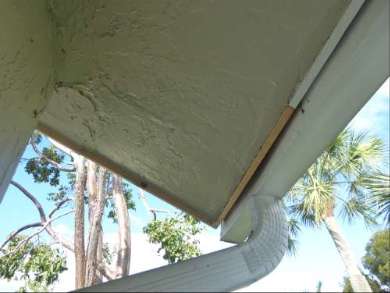
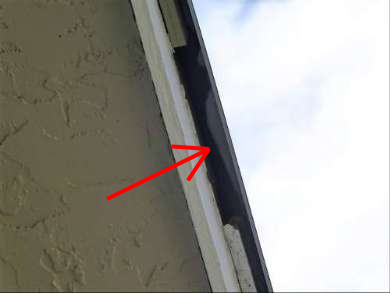
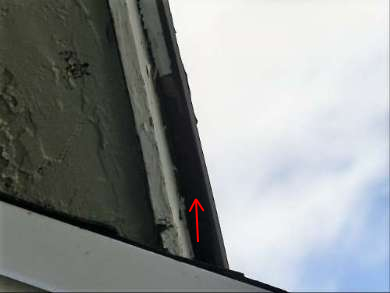
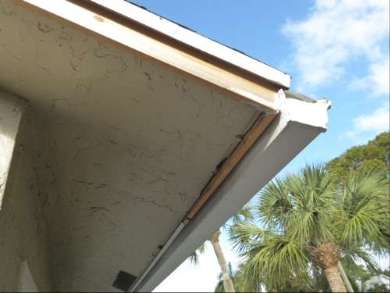
4) Repair/Replace - Some sections of the fascia were not primed, caulked or painted. Recommend that a qualified person repair as necessary.

There are one or more painted soffit vent screens. Recommend a qualified person replace painted soffit vent screens to prevent air flow from being blocked.
Photo
Photo 4-1 
Photo
Photo 4-2 
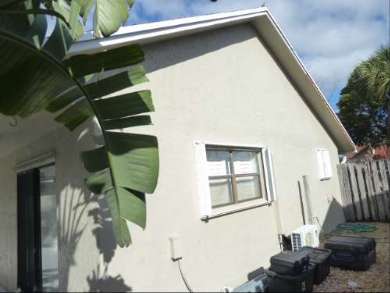
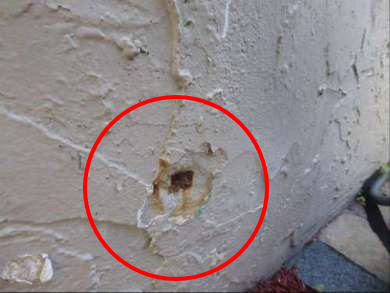
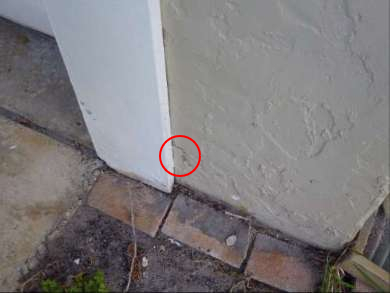
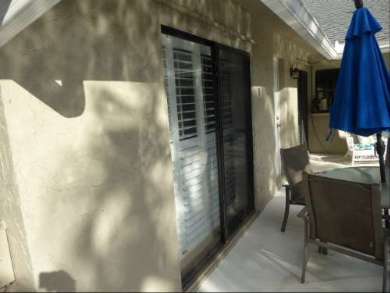
5) Repair/Maintain - Cracks, deterioration and/or damage were found in one or more areas of the exterior stucco finish. In damp climates, moisture can enter cracks or damaged areas and further deteriorate the stucco. Also the wall behind the stucco can become damaged from moisture. Note that areas behind the stucco are inaccessible and excluded from this inspection. Recommend that a qualified contractor repair or replace stucco as necessary.
Photo
Photo 5-1 
Photo
Photo 5-2 
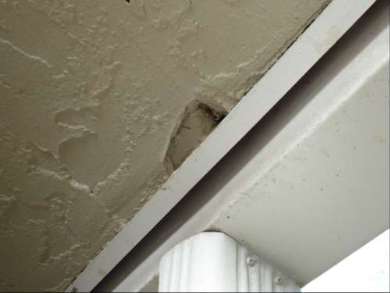
6) Repair/Maintain - One or more holes or gaps were found in the soffit. Recommend that a qualified person repair as necessary.
Photo
Photo 6-1 
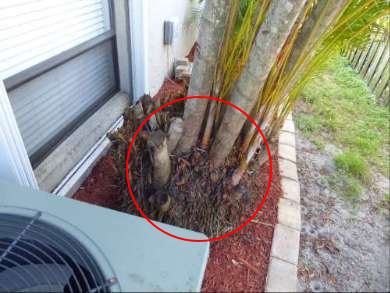
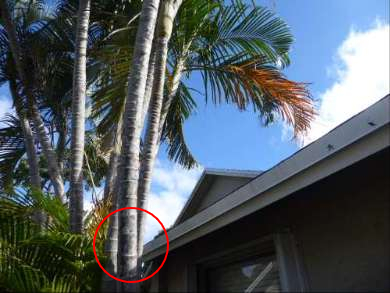
7) Maintain, Evaluate - One large tree/root ball is close to the house. Damage to the building can occur, especially during high winds (see other comments in this report). Recommend that a qualified tree service contractor or certified arborist remove trees as necessary to prevent damage to the building exterior.
Photo
Photo 7-1 
Photo
Photo 7-2 
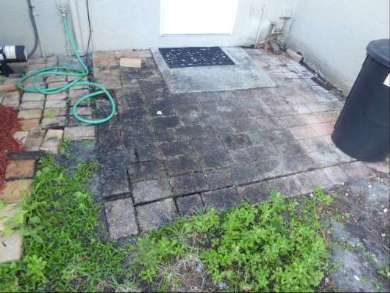
8) Maintain - The uneven concrete pavers outside the side door have microbial growth and may be slippery. Recommend that a qualified contractor prep (e.g. clean, scrape, sand, prime, caulk) per standard building practices.
Photo
Photo 8-1 
Photo
Photo 8-2 

Roof
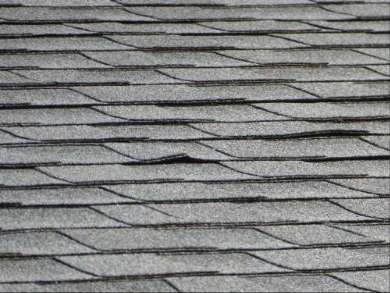
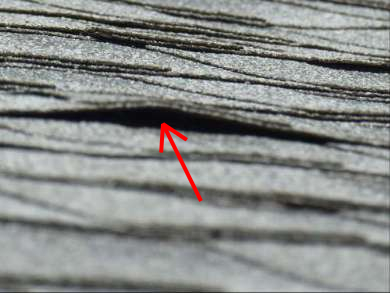
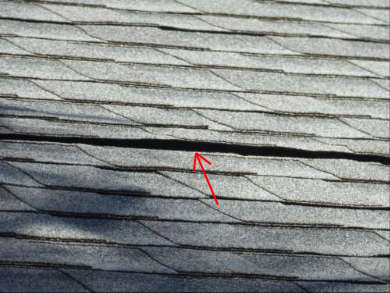
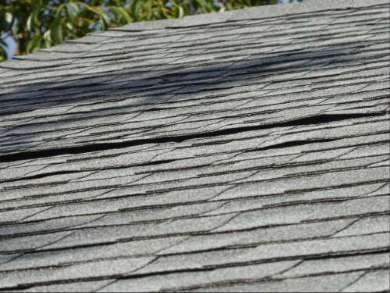
9) Repair/Replace, Evaluate - Some composition shingles were curling/lifting. Recommend that a qualified contractor evaluate and repair as necessary.
Photo
Photo 9-1 
Photo
Photo 9-2 
Photo
Photo 9-3 
Photo
Photo 9-4 
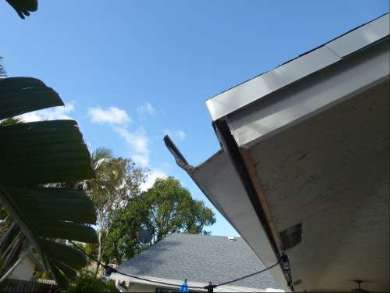
10) Repair/Replace - The end of the gutter is missing. Recommend that a qualified person repair as necessary.
Photo
Photo 10-1 
11) Repair/Maintain, Evaluate - In one or more areas, the 1x2 wood for the drip edge is missing. Leaks can occur as a result. Recommend that a qualified person evaluate and repair as necessary.
Photo
Photo 11-1 
Photo
Photo 11-2 

Garage or Carport
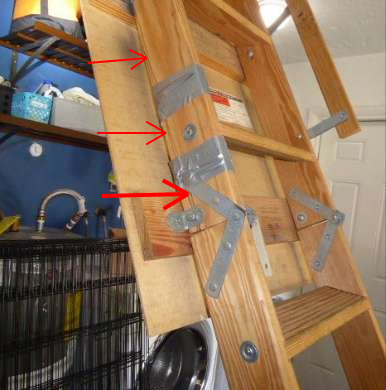
14) Safety, Repair/Replace - The wood pull-down attic stairs are cracked and taped. Recommend that a qualified person repair and or install new stairs as necessary .
Photo
Photo 14-1 

Electric
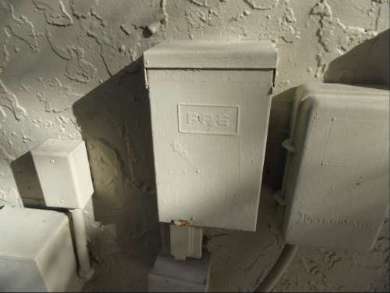
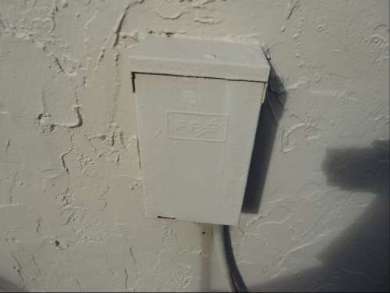
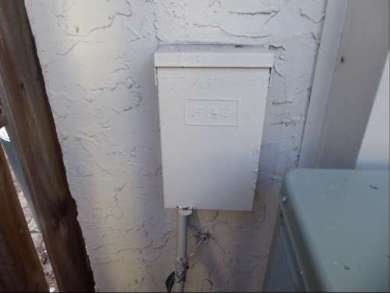
16) Safety, Repair/Replace, Evaluate - There are three SUB panels that were manufactured by the Federal Pacific Electric company. Consider replacing Federal Pacific panels with modern panels that offer more flexibility for new, safer protective technologies like ground fault circuit interrupters (GFCls) and arc fault circuit interrupters (AFCls). For more information, visit:
https://www.reporthost.com/?FP1
https://www.reporthost.com/?FP2
https://www.reporthost.com/?FP3
Photo
Photo 16-1 
Photo
Photo 16-2 
Photo
Photo 16-3 
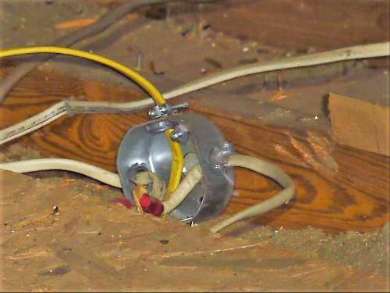
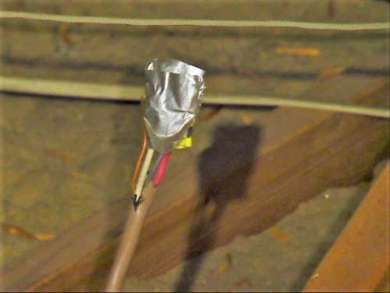
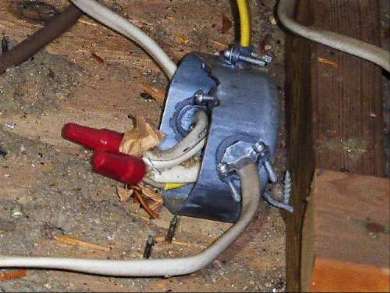
17) Safety, Repair/Replace - Wire splices ( ATTIC SPACE ) were exposed and were not covered and or contained in a covered junction box. This is a potential shock or fire hazard. Recommend that a qualified electrician repair per standard building practices. For example, by installing permanently mounted junction boxes with cover plates where needed to contain wiring splices.
Photo
Photo 17-1 
Photo
Photo 17-2 
Photo
Photo 17-3 
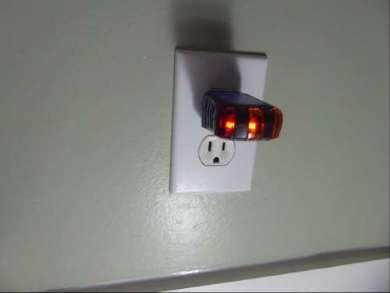
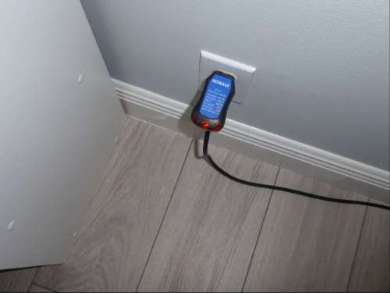
18) Safety, Repair/Replace - One or more electric receptacles had reverse-polarity wiring in the master bathroom, where the hot and neutral wires were reversed. This is a shock hazard. Recommend that a qualified electrician repair as necessary. For more information, visit:
https://www.reporthost.com/?RPR
Photo
Photo 18-1 Master bathroom outlet.
19) Safety, Repair/Replace - One or more electric receptacles were incorrectly wired with an open ground in the dining room area and master bedroom. Recommend that a qualified electrician repair as necessary.
Photo
Photo 19-1 
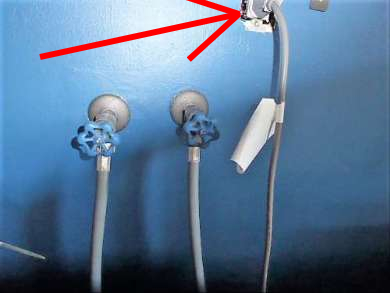
20) Safety, Repair/Replace - None or an insufficient amount of permanently installed smoke alarms were found. This is a potential safety hazard. A qualified electrician should install smoke alarms per standard building practices (e.g. in hallways leading to bedrooms, in each bedroom, on each floor and in attached garages). For more information, visit:
https://www.reporthost.com/?SMKALRM
Photo
Photo 20-1 
21) Safety, Repair/Maintain - One or more cover plates for switches, receptacles or junction boxes were missing or broken. These plates are intended to contain fire and prevent electric shock from occurring due to exposed wires. Recommend that a qualified person install cover plates where necessary.
Photo
Photo 21-1 
Photo
Photo 21-2 
22) Safety, Repair/Maintain - No permanently installed carbon monoxide alarms were found. This is a potential safety hazard. Some states and/or municipalities require CO alarms to be installed for new construction and/or for homes being sold. Recommend installing approved CO alarms outside of each separate sleeping area in the immediate vicinity of the bedrooms on each level and in accordance with the manufacturer's recommendations. For more information, visit:
https://www.reporthost.com/?COALRM

Plumbing / Fuel Systems
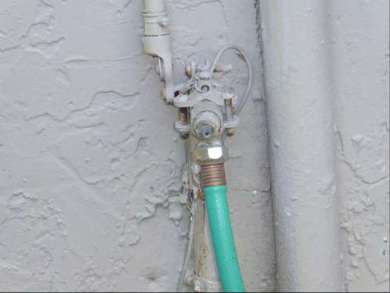
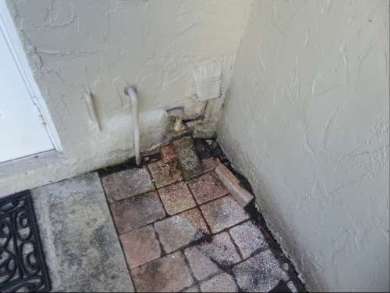
23) Repair/Maintain - One hose bib is missing a handle. Recommend that a qualified plumber repair as necessary.
Photo
Photo 23-1 

Heating, Ventilation and Air Condition (HVAC)
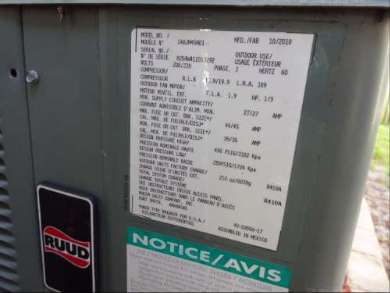
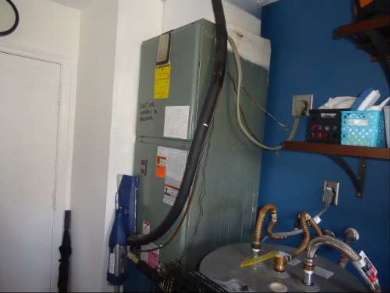
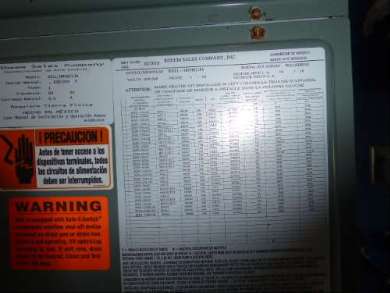
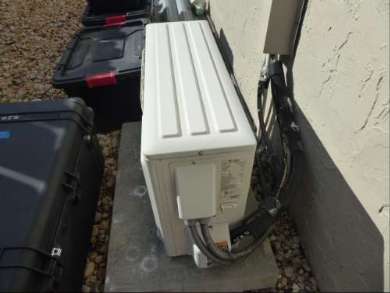
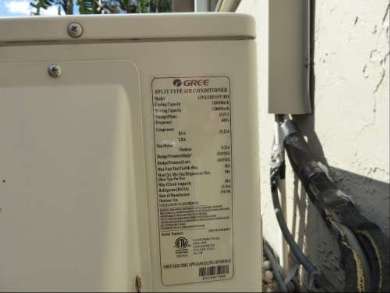
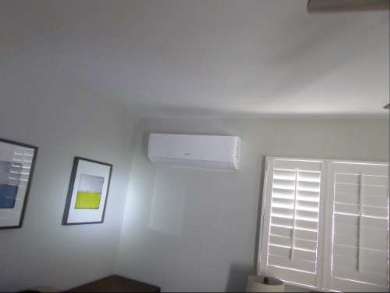
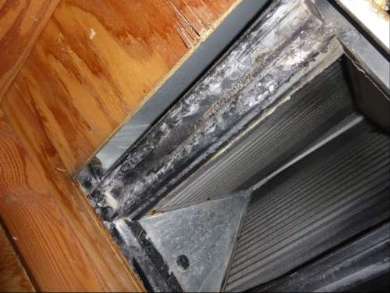
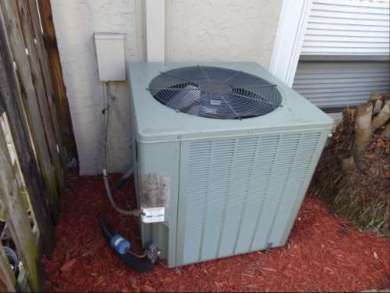
25) Major defect, Comment - The estimated useful life for most air handlers and air conditioning condensing units is 12-15 years. This unit is 12 years old and may need maintenance, repairs or replacing at any time.

NOTE: The mini split for the master bedroom is 3 years old.
Photo
Photo 25-1 
Photo
Photo 25-2 
Photo
Photo 25-3 
Photo
Photo 25-4 
Photo
Photo 25-5 
Photo
Photo 25-6 
Photo
Photo 25-7 
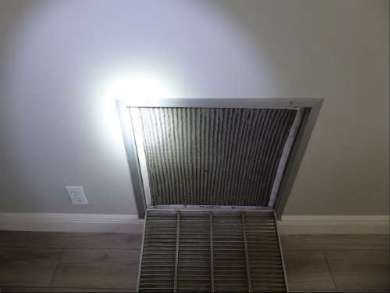
26) Maintain - Recommend that home buyers replace or clean HVAC filters upon taking occupancy depending on the type of filters installed. Regardless of the type, recommend checking filters monthly in the future and replacing or cleaning them as necessary. How frequently they need replacing or cleaning depends on the type and quality of the filter, how the system is configured (e.g. always on vs. "Auto"), and on environmental factors (e.g. pets, smoking, frequency of house cleaning, number of occupants, the season).
Photo
Photo 26-1 The AC filter is dirty, seller stated they will install a new filter.
Photo
Photo 26-2 

Kitchen
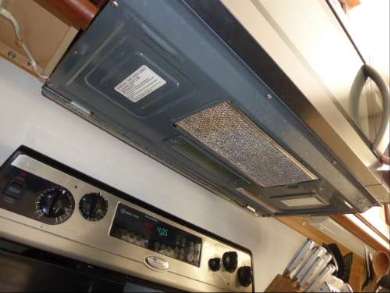
27) Minor defect - The light at the microwave was inoperable. Recommend replacing bulb or that repairs are made, if necessary, by a qualified person.
Photo
Photo 27-1 

Bathrooms, Laundry and Sinks
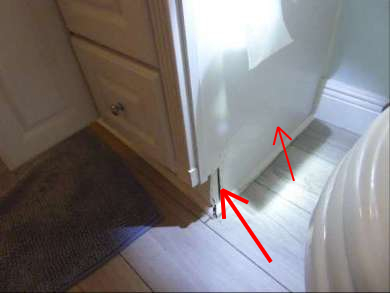
28) Repair/Replace - Water damage was found at the side of the cabinet in the guest bathroom. Recommend that a qualified contractor repair as necessary.
Photo
Photo 28-1 
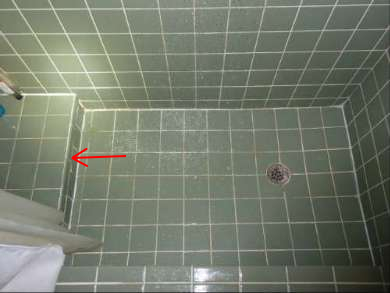
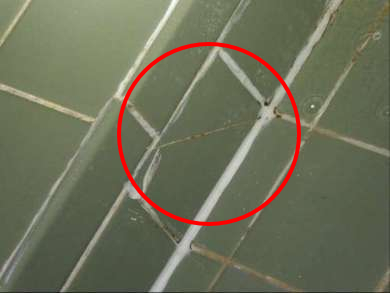
29) Repair/Maintain, Monitor - One tile in the shower enclosure at the master shower is cracked. Recommend that a qualified contractor monitor and or repair as necessary.
Photo
Photo 29-1 
Photo
Photo 29-2 

Interior, Doors and Windows
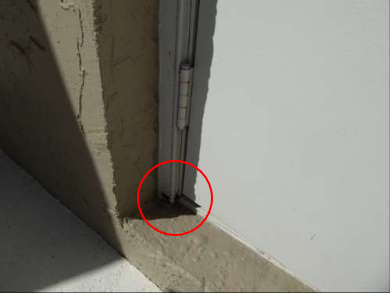
30) Repair/Replace - Fungal rot was found at the cabana bath door. Recommend that a qualified person repair as necessary.
Photo
Photo 30-1 
31) Repair/Replace - One or more window screens and slider door screen were damaged or deteriorated. These window(s) may not provide ventilation during months when insects are active. Recommend replacing window screens as necessary.
Photo
Photo 31-1 
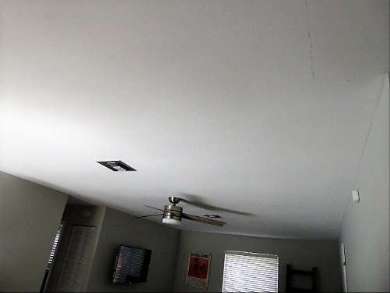
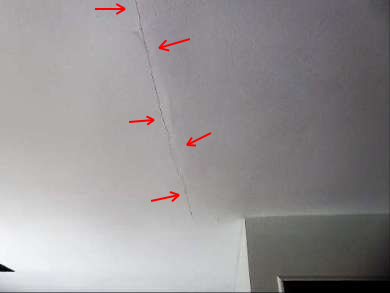
32) Minor defect - Minor cracks, nail pops and/or blemishes were found in walls and/or ceilings in one or more areas (family room ceiling). Cracks and nail pops are common, are often caused by lumber shrinkage or minor settlement, and can be more or less noticeable depending on changes in humidity. They did not appear to be a structural concern, but the client may wish to repair these for aesthetic reasons. For recurring cracks, consider using an elastic crack covering product:
https://www.reporthost.com/?ECC
Photo
Photo 32-1 

Swimming Pool
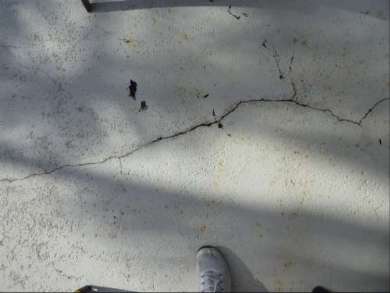
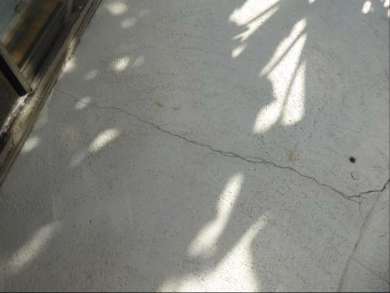
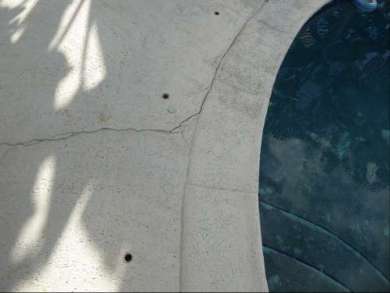
33) Repair/Replace, Evaluate - The concrete pool deck had cracks in one or more areas. A qualified contractor should evaluate and repair or as necessary.
Photo
Photo 33-1 
Photo
Photo 33-2 
Photo
Photo 33-3 
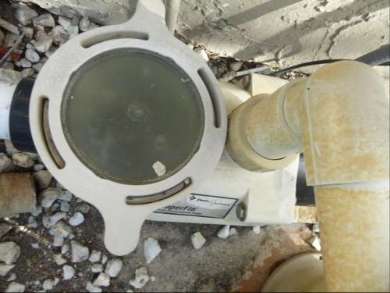
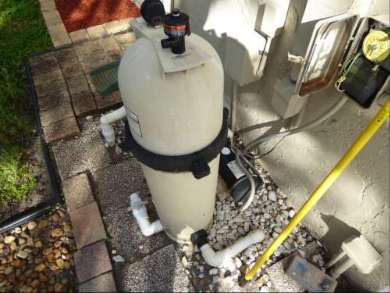
34) Repair/Replace, Evaluate - Air bubbles were present when the circulation pump was operating. Typically this indicates a leak on the suction side of the pump. A qualified contractor should evaluate and repair as necessary.
Photo
Photo 34-1 
Photo
Photo 34-2 
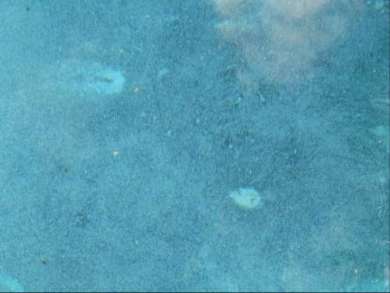
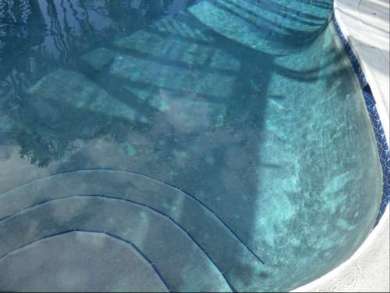
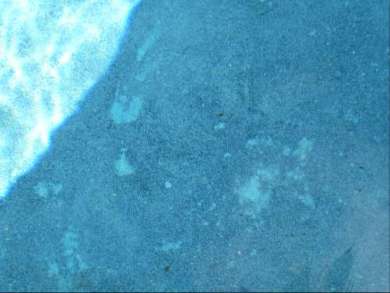
35) Repair/Maintain, Evaluate - The entire plaster surface of the pool body had significant wear marks in many areas. A qualified person should evaluate and repair as necessary. Concrete pools or spas should be re-plastered every 10 to 15 years. For more information, visit:
https://www.reporthost.com/?POOLPLASTER

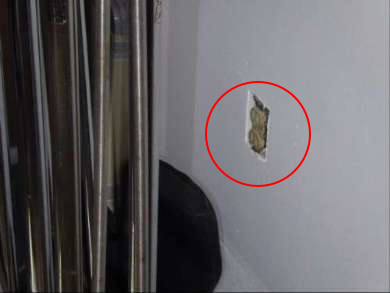
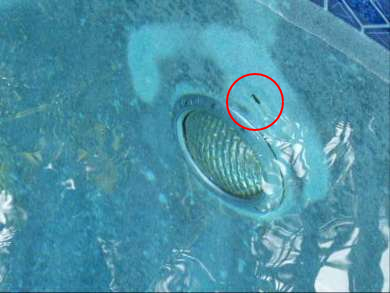
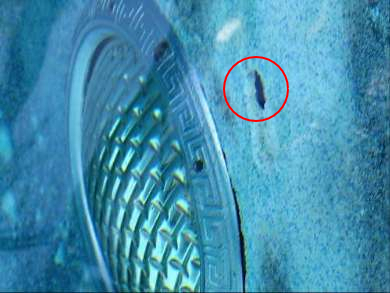
NOTE: There is a small opening in the cementitious pool substrate and is in close proximity of the pool light. Recommend further evaluation and consider installing an LED light.
Photo
Photo 35-1 
Photo
Photo 35-2 
Photo
Photo 35-3 
Photo
Photo 35-4 
Photo
Photo 35-5 There is a small opening in the cementitious pool substrate and is in close proximity of the pool light.