This report published on Saturday, February 26, 2022 10:39:33 PM CST
SCOPE OF INSPECTION We attempt to give the client a comprehensive, clear cut, unbiased view of the home. This is a visual inspection of the condition of the home at the time of the inspection. The scope of the inspection is to identify "MAJOR" problems associated with the property being purchased or sold, although minor items may also be mentioned. Some items, which may be of concern to the client, may be considered minor or cosmetic to us; therefore they should be reviewed with the Seller. It is advised that the Client read the entire report including category headings. We advise client to obtain all paperwork and warranties from these professionals concerning the work performed. We further recommend maintaining all paperwork on repairs for future reference. This inspection report should not be considered a substitute for a final pre-closing inspection. Many things can happen between the time of the inspection and closing. You should operate all mechanicals and appliances and review any area that may have been concealed by furniture and personal belongings at the time of your this inspection. Also review any areas affected by rain for signs of leaking as weather conditions change. Your home inspection report may indicate the presence of stains, discoloration, decay or evidence of moisture penetration on visible surfaces. These conditions may indicate the presence of mold, mildew or fungus. Even if undetected and unreported at the time of the inspections, they may be active in inaccessible areas such as wall cavities with the right conditions. herever staining or moisture is noted we suggest maintenance to correct the condition. Should you have concerns regarding mold, we suggest review by a qualified specialist.
GENERAL INFORMATION MAJOR SYSTEMS Our evaluation of major systems is both visual and functional provided power and/or fuel is supplied to the component. Identifying or testing for the presence of asbestos, radon, lead-based products, mold or other potentially hazardous materials is not within the scope of this report. Judging the sufficiency of water flow in plumbing or the cooling efficiency of air conditioning is a subjective evaluation, therefore, we only note a poor condition if, in the inspector's opinion, the adequacy seems to be less than normal. There is a time period from inspection to closing that varies with each property. We can only state condition at time of inspection. Therefore, we urge you to evaluate and operate all major systems prior to closing. Dismantling and/or extensive inspection of internal components of appliances including air conditioners is beyond the scope of this report. INTERIOR Our review of interior rooms is visual and evaluated with similar aged homes in mind. Cosmetic considerations and minor flaws such as torn screens or an occasional cracked window can be overlooked, thus we suggest you double check these items before closing if concerned. We do not dismantle or remove any portions of the property or interior such as drop ceilings, paneling, etc. These are considered concealed areas. We do not move personal belongings such as furniture, wall coverings, carpet, etc...
2. Limitations, Exceptions & Exclusions 2.1. Limitations: I. An inspection is not technically exhaustive. II. An inspection will not identify concealed or latent defects. III. An inspection will not deal with aesthetic concerns or what could be deemed matters of taste, cosmetic defects, etc. IV. An inspection will not determine the suitability of the property for any use. V. An inspection does not determine the market value of the property or its marketability. VI. An inspection does not determine the insurability of the property. VII. An inspection does not determine the advisability or inadvisability of the purchase of the inspected property. VIII. An inspection does not determine the life expectancy of the property or any components or systems therein. IX. An inspection does not include items not permanently installed. X. These Standards of Practice apply only to properties with four or fewer residential units. 2.2. Exclusions: I. The inspector is not required to determine: A. property boundary lines or encroachments. B. the condition of any component or system that is not readily accessible. C. the service life expectancy of any component or system. D. the size, capacity, BTU, performance or efficiency of any component or system. E. the cause or reason of any condition. F. the cause for the need of correction, repair or replacement of any system or component. G. future conditions. H. compliance with codes or regulations. I. the presence of evidence of rodents, birds, animals, insects, or other pests. J. the presence of mold, mildew or fungus. K. the presence of airborne hazards, including radon. L. the air quality. M. the existence of environmental hazards, including lead paint, asbestos or toxic drywall. N. the existence of electromagnetic fields. O. any hazardous waste conditions. P. any manufacturers' recalls or conformance with manufacturer installation, or any information included for consumer protection purposes. Q. acoustical properties. R. correction, replacement or repair cost estimates. S. estimates of the cost to operate any given system. II. The inspector is not required to operate: A. any system that is shut down. B. any system that does not function properly. C. or evaluate low-voltage electrical systems such as, but not limited to: 1. phone lines; 2. cable lines; 3. satellite dishes; 4. antennae; 5. lights; or 6. remote controls. D. any system that does not turn on with the use of normal operating controls. E. any shut-off valves or manual stop valves. F. any electrical disconnect or over-current protection devices. G. any alarm systems. H. moisture meters, gas detectors or similar equipment. III. The inspector is not required to: A. move any personal items or other obstructions, such as, but not limited to: throw rugs, carpeting, wall coverings, furniture, ceiling tiles, window coverings, equipment, plants, ice, debris, snow, water, dirt, pets, or anything else that might restrict the visual inspection. B. dismantle, open or uncover any system or component. C. enter or access any area that may, in the opinion of the inspector, be unsafe. D. enter crawlspaces or other areas that may be unsafe or not readily accessible. E. inspect underground items, such as, but not limited to: lawn-irrigation systems, underground storage tanks or other indications of their presence, whether abandoned or actively used. F. do anything which may, in the inspector's opinion, be unsafe or dangerous to the inspector or others, or damage property, such as, but not limited to: walking on roof surfaces, climbing ladders, entering attic spaces, or negotiating with pets. G. inspect decorative items. H. inspect common elements or areas in multi-unit housing. I. inspect intercoms, speaker systems or security systems. J. offer guarantees or warranties. K. offer or perform any engineering services. L. offer or perform any trade or professional service other than general home inspection. M. research the history of the property, or report on its potential for alteration, modification, extendibility or suitability for a specific or proposed use for occupancy. N. determine the age of construction or installation of any system, structure or component of a building, or differentiate between original construction and subsequent additions, improvements, renovations or replacements. O. determine the insurability of a property. P. perform or offer Phase 1 or environmental audits. Q. inspect any system or component that is not included in these Standards.
How to Read this Report
This report is organized by the property's functional areas. Within each functional area, descriptive information is listed first and is shown in bold type. Items of concern follow descriptive information.
Concerns are shown and sorted according to these types:
Safety
Poses a safety hazard
Major defect
Correction likely involves a significant expense
Repair/Replace
Recommend repairing or replacing
Repair/Maintain
Recommend repair and/or maintenance
Minor defect
Correction only involves a minor expense
Maintain
Recommend ongoing maintenance
Evaluate
Recommend evaluation by a specialist
Monitor
Recommend monitoring in the future
Comment
For your information
Click here for a glossary of building construction terms.Contact your inspector If there are terms that you do not understand, or visit the glossary of construction terms at https://www.reporthost.com/glossary.asp
Present during inspection: Property owner, Realtor
Client present for discussion at end of inspection: No
Weather conditions during inspection: Sunny
Temperature during inspection: Hot
Payment method: Credit card
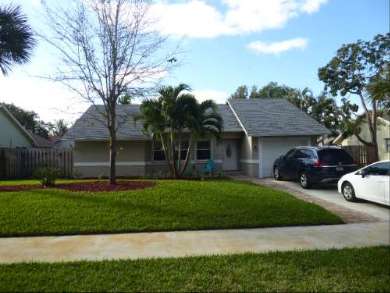
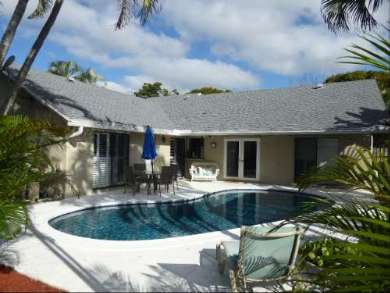
Buildings inspected: One house
Number of residential units inspected: 1
Age of HOME: 44
Source for main building age: Municipal records
Occupied: Yes, Furniture or stored items were present
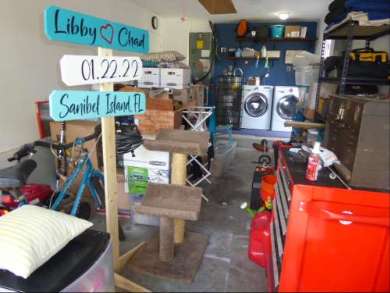
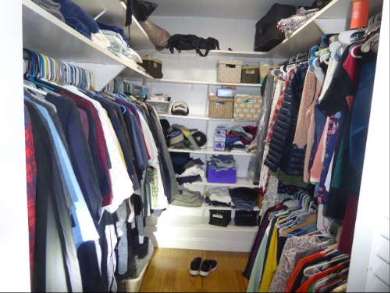
1) Comment - Some areas and items at this property were obscured by furniture and/or stored items. This often includes but is not limited to walls, floors, windows, inside and under cabinets, under sinks, on counter tops, in closets, behind window coverings, under rugs or carpets, and under or behind furniture. Areas around the exterior, under the structure, in the garage and in the attic may also be obscured by stored items. The inspector in general does not move personal belongings, furnishings, carpets or appliances. When furnishings, stored items or debris are present, all areas or items that are obscured, concealed or not readily accessible are excluded from the inspection. The client should be aware that when furnishings, stored items or debris are eventually moved, damage or problems that were not noted during the inspection may be found.
Photo 1-1 Photo 1-2
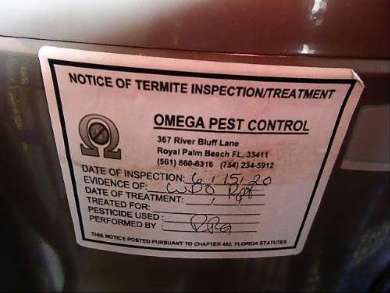
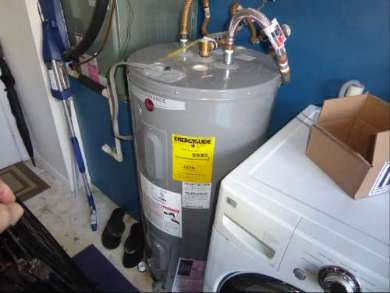
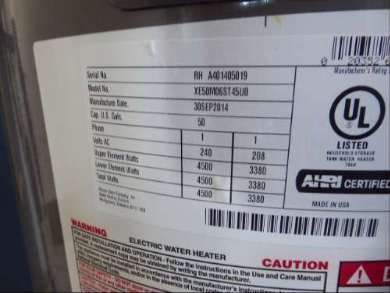
2) Comment - There is a sticker at the water heater for termite inspection/treatment dated 06/15/2020.
Limitations: Unless specifically included in the inspection, the following items and any related equipment, controls, electric systems and/or plumbing systems are excluded from this inspection: detached buildings or structures; fences and gates; retaining walls; underground drainage systems, catch basins or concealed sump pumps; swimming pools and related safety equipment, spas, hot tubs or saunas; whether deck, balcony and/or stair membranes are watertight; trees, landscaping, properties of soil, soil stability, erosion and erosion control; ponds, water features, irrigation or yard sprinkler systems; sport courts, playground, recreation or leisure equipment; areas below the exterior structures with less than 3 feet of vertical clearance; invisible fencing; sea walls, docks and boathouses; retractable awnings. Any comments made regarding these items are as a courtesy only.
Site profile: Minor slope
Condition of driveway: Appeared serviceable
Driveway material: Poured in place concrete
Condition of sidewalks and/or patios: Appeared serviceable
Sidewalk material: Poured in place concrete
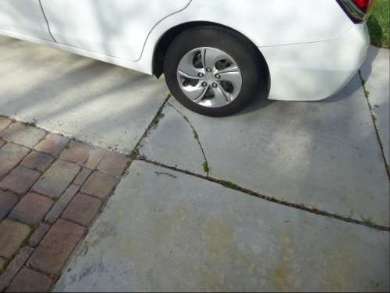
3) Comment - Deterioration (e.g. cracks, holes, settlement, heaving) was found in the driveway, but no trip hazards were found. The client may wish to have repairs made for cosmetic reasons.
Limitations: The inspector performs a visual inspection of accessible components or systems at the exterior. Items excluded from this inspection include below-grade foundation walls and footings; foundations, exterior surfaces or components obscured by vegetation, stored items or debris; wall structures obscured by coverings such as siding or trim. Some items such as siding, trim, soffits, vents and windows are often high off the ground, and may be viewed using binoculars from the ground or from a ladder. This may limit a full evaluation. Regarding foundations, some amount of cracking is normal in concrete slabs and foundation walls due to shrinkage and drying. Note that the inspector does not determine the adequacy of seismic reinforcement.
Wall inspection method: Viewed from ground
Condition of wall exterior covering: Appeared serviceable
Apparent wall structure: Concrete block
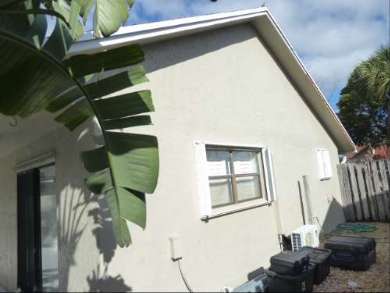
Wall covering: Stucco
Condition of foundation and footings: Appeared serviceable
Apparent foundation type: Concrete slab on grade, Concrete garage slab
Footing material (under foundation stem wall): Poured in place concrete
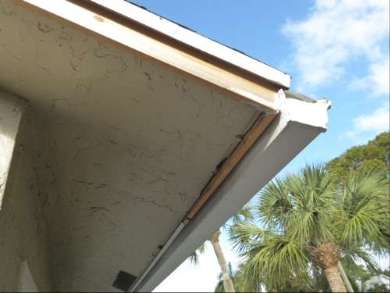
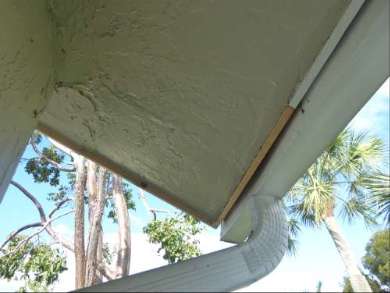
4) Repair/Replace - Some sections of the fascia were not primed, caulked or painted. Recommend that a qualified person repair as necessary.
There are one or more painted soffit vent screens. Recommend a qualified person replace painted soffit vent screens to prevent air flow from being blocked.
Photo 4-1 Photo 4-2
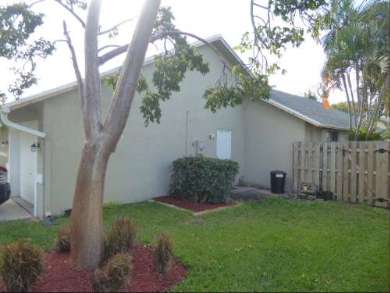
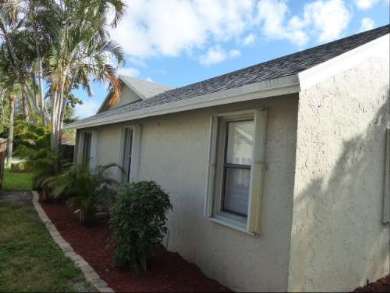
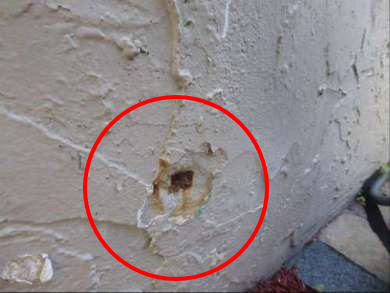
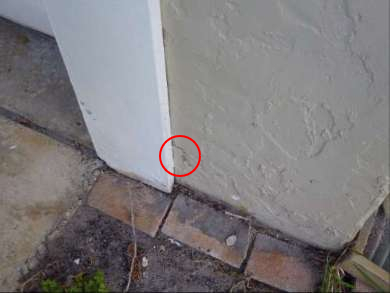
5) Repair/Maintain - Cracks, deterioration and/or damage were found in one or more areas of the exterior stucco finish. In damp climates, moisture can enter cracks or damaged areas and further deteriorate the stucco. Also the wall behind the stucco can become damaged from moisture. Note that areas behind the stucco are inaccessible and excluded from this inspection. Recommend that a qualified contractor repair or replace stucco as necessary.
Photo 5-1 Photo 5-2
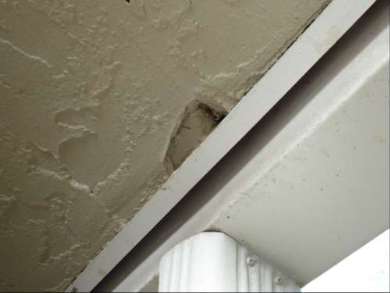
6) Repair/Maintain - One or more holes or gaps were found in the soffit. Recommend that a qualified person repair as necessary.
Photo 6-1
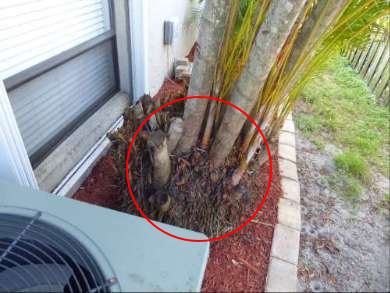
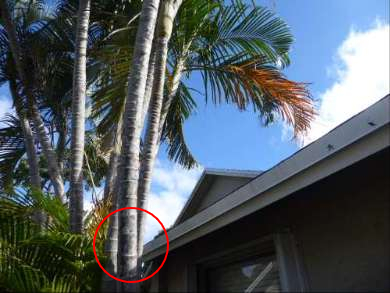
7) Maintain, Evaluate - One large tree/root ball is close to the house. Damage to the building can occur, especially during high winds (see other comments in this report). Recommend that a qualified tree service contractor or certified arborist remove trees as necessary to prevent damage to the building exterior.
Photo 7-1 Photo 7-2
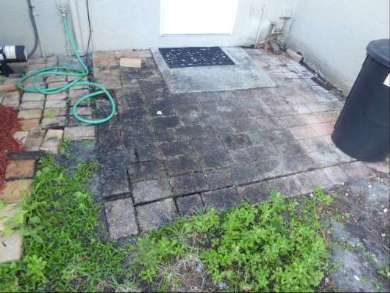
8) Maintain - The uneven concrete pavers outside the side door have microbial growth and may be slippery. Recommend that a qualified contractor prep (e.g. clean, scrape, sand, prime, caulk) per standard building practices.
Limitations: The following items or areas are not included in this inspection: areas that could not be traversed or viewed clearly due to lack of access; solar roofing components. Any comments made regarding these items are made as a courtesy only. Note that the inspector does not provide an estimate of remaining life on the roof surface material, nor guarantee that leaks have not occurred in the roof surface, skylights or roof penetrations in the past. Regarding roof leaks, only active leaks, visible evidence of possible sources of leaks, and evidence of past leaks observed during the inspection are reported on as part of this inspection. The inspector does not guarantee or warrant that leaks will not occur in the future. Complete access to all roof and attic spaces during all seasons and during prolonged periods of all types of weather conditions (e.g. high wind and rain, melting snow) would be needed to do so. Occupants should monitor the condition of roofing materials in the future. For older roofs, recommend that a professional inspect the roof surface, flashings, appurtenances, etc. annually and maintain/repair as might be required. If needed, the roofer should enter attic space(s). Regarding the roof drainage system, unless the inspection was conducted during and after prolonged periods of heavy rain, the inspector was unable to determine if gutters, downspouts and extensions perform adequately or are leak-free.
Roof inspection method: Traversed
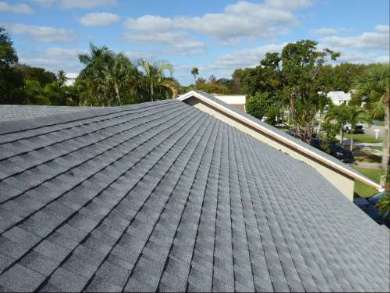
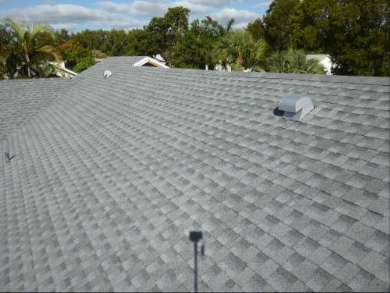
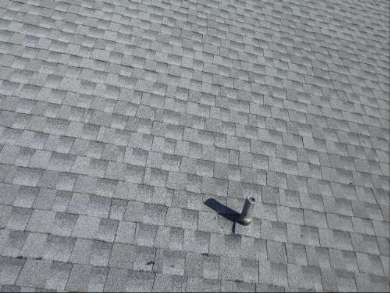
Condition of roof surface material: Appeared serviceable
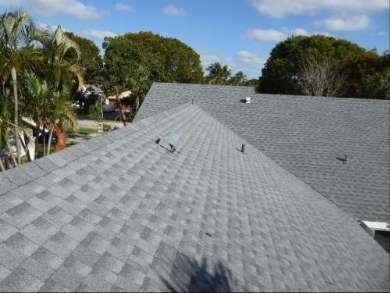
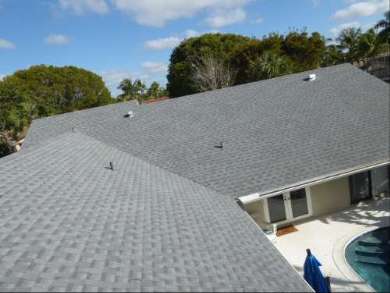
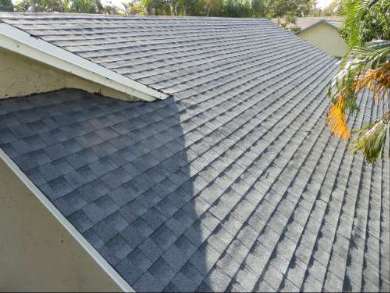
Roof surface material: Asphalt or fiberglass composition shingles
Roof type: Gable
Condition of exposed flashings: Appeared serviceable
Condition of gutters, downspouts and extensions: Appeared serviceable, Required repair, replacement and/or evaluation (see comments below)
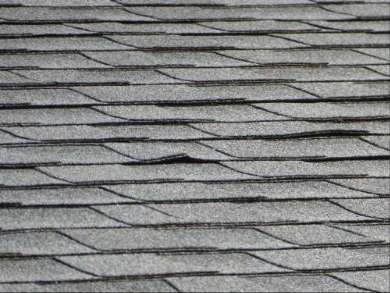
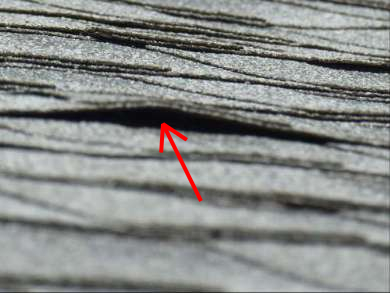
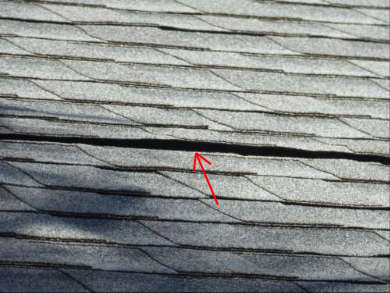
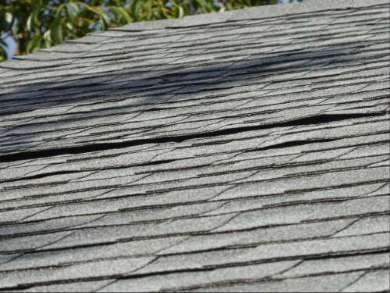
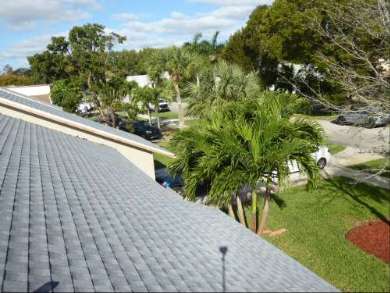
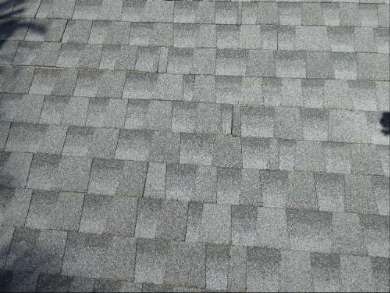
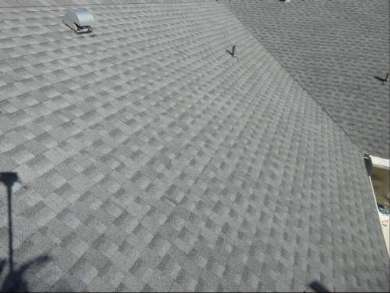
9) Repair/Replace, Evaluate - Some composition shingles were curling/lifting. Recommend that a qualified contractor evaluate and repair as necessary.
Photo 9-1 Photo 9-2
Photo 9-3 Photo 9-4
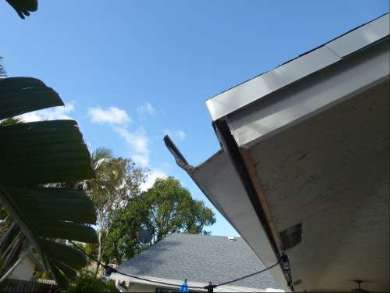
10) Repair/Replace - The end of the gutter is missing. Recommend that a qualified person repair as necessary.
Photo 10-1
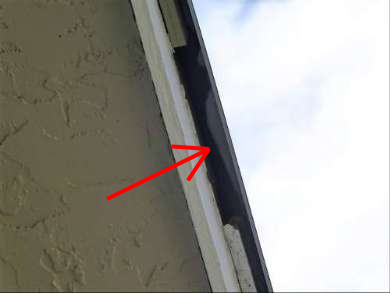
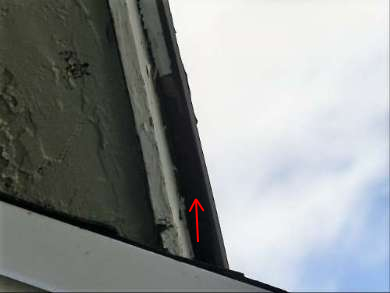
11) Repair/Maintain, Evaluate - In one or more areas, the 1x2 wood for the drip edge is missing. Leaks can occur as a result. Recommend that a qualified person evaluate and repair as necessary.
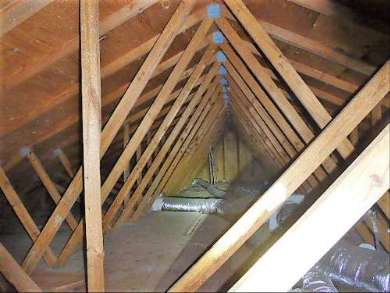
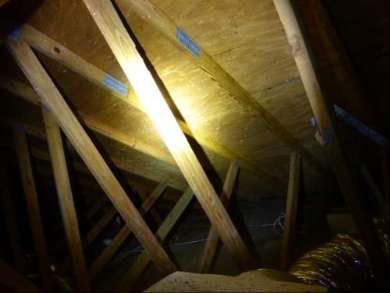
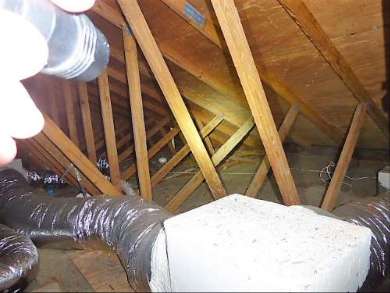
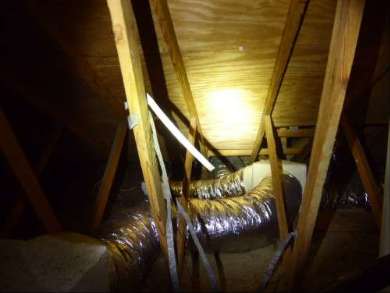
Limitations: The following items or areas are not included in this inspection: areas that could not be traversed or viewed clearly due to lack of access; areas and components obscured by insulation. Any comments made regarding these items are made as a courtesy only. The inspector does not determine the adequacy of the attic ventilation system. Complete access to all roof and attic spaces during all seasons and during prolonged periods of all types of weather conditions (e.g. high/low temperatures, high/low humidity, high wind and rain, melting snow) would be needed to do so. The inspector is not a licensed engineer and does not determine the adequacy of roof structure components such as trusses, rafters or ceiling beams, or their spacing or sizing.
Limitations: The inspector does not determine the adequacy of firewall ratings. Requirements for ventilation in garages vary between municipalities.
Condition of door between garage and house: Appeared serviceable
Type of door between garage and house: Metal
Condition of garage vehicle door(s): Appeared serviceable
Type of garage vehicle door: Sectional
Condition of automatic opener(s): Appeared serviceable
Mechanical auto-reverse operable (reverses when meeting reasonable resistance during closing): Yes
Condition of garage floor: Appeared serviceable
Condition of garage interior: Appeared serviceable
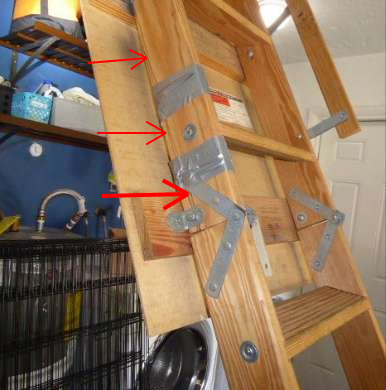
14) Safety, Repair/Replace - The wood pull-down attic stairs are cracked and taped. Recommend that a qualified person repair and or install new stairs as necessary .
Photo 14-1
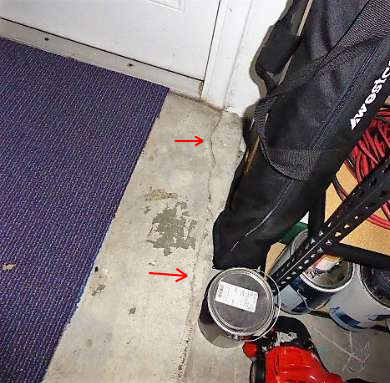
15) Comment - The edge of the garage concrete floor is cracked.
Limitations: The following items are not included in this inspection: generator systems, transfer switches, surge suppressors, inaccessible or concealed wiring; underground utilities and systems; low-voltage lighting or lighting on timers or sensors. Any comments made regarding these items are as a courtesy only. Note that the inspector does not determine the adequacy of grounding or bonding, if this system has an adequate capacity for the client's specific or anticipated needs, or if this system has any reserve capacity for additions or expansion. The inspector does not operate circuit breakers as part of the inspection, and does not install or change light bulbs. The inspector does not evaluate every wall switch or receptacle, but instead tests a representative number of them per various standards of practice. When furnishings, stored items or child-protective caps are present some receptacles are usually inaccessible and are not tested; these are excluded from this inspection. Receptacles that are not of standard 110 volt configuration, including 240-volt dryer receptacles, are not tested and are excluded. The functionality of, power source for and placement of smoke and carbon monoxide alarms is not determined as part of this inspection. Upon taking occupancy, proper operating and placement of smoke and carbon monoxide alarms should be verified and batteries should be changed. These devices have a limited lifespan and should be replaced every 10 years. The inspector attempts to locate and evaluate all main and sub-panels. However, panels are often concealed. If panels are found after the inspection, a qualified electrician should evaluate and repair if necessary. The inspector attempts to determine the overall electrical service size, but such estimates are not guaranteed because the overall capacity may be diminished by lesser-rated components in the system. Any repairs recommended should be made by a licensed electrician.
Electric service condition: Appeared serviceable
Primary service type: Underground
Service voltage (volts): 120-240
Estimated service amperage: 200
Primary service overload protection type: Circuit breakers
Main disconnect rating (amps): 200
System ground: Ground rod(s) in soil
Condition of main service panel: Appeared serviceable
Arc fault circuit interrupter (AFCI) protection present: No
Smoke alarms installed: None or insufficient amount, recommend install as necessary.
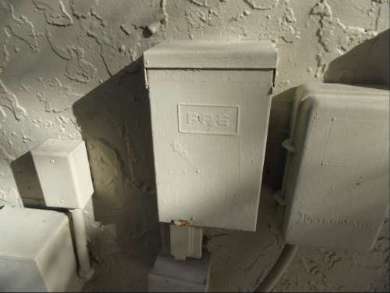
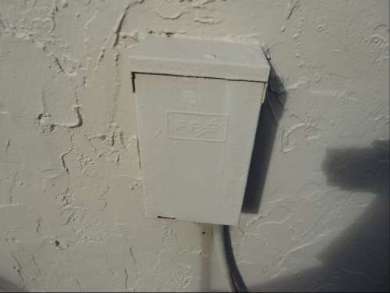
16) Safety, Repair/Replace, Evaluate - There are three SUB panels that were manufactured by the Federal Pacific Electric company. Consider replacing Federal Pacific panels with modern panels that offer more flexibility for new, safer protective technologies like ground fault circuit interrupters (GFCls) and arc fault circuit interrupters (AFCls). For more information, visit: https://www.reporthost.com/?FP1 https://www.reporthost.com/?FP2 https://www.reporthost.com/?FP3
Photo 16-1 Photo 16-2
Photo 16-3
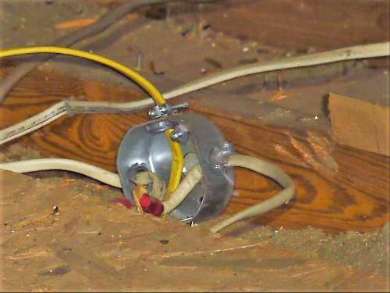
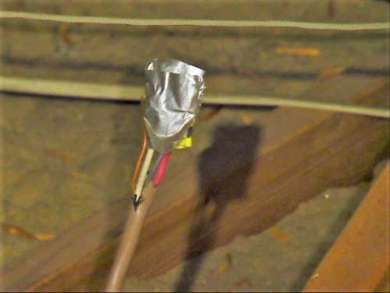
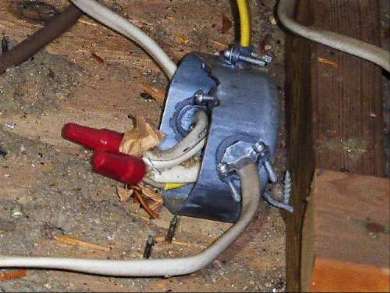
17) Safety, Repair/Replace - Wire splices ( ATTIC SPACE ) were exposed and were not covered and or contained in a covered junction box. This is a potential shock or fire hazard. Recommend that a qualified electrician repair per standard building practices. For example, by installing permanently mounted junction boxes with cover plates where needed to contain wiring splices.
Photo 17-1 Photo 17-2
Photo 17-3
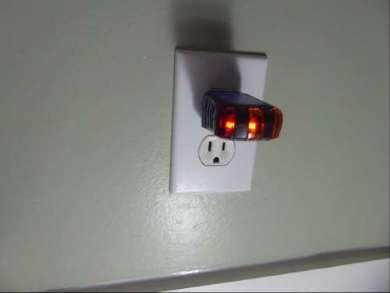
18) Safety, Repair/Replace - One or more electric receptacles had reverse-polarity wiring in the master bathroom, where the hot and neutral wires were reversed. This is a shock hazard. Recommend that a qualified electrician repair as necessary. For more information, visit: https://www.reporthost.com/?RPR
Photo 18-1 Master bathroom outlet.
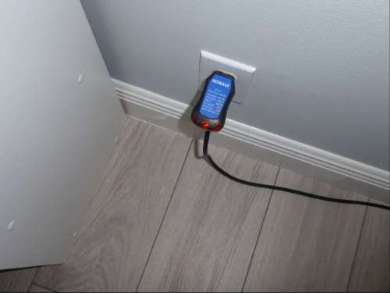
19) Safety, Repair/Replace - One or more electric receptacles were incorrectly wired with an open ground in the dining room area and master bedroom. Recommend that a qualified electrician repair as necessary.
Photo 19-1
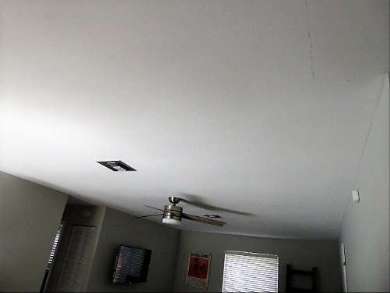
20) Safety, Repair/Replace - None or an insufficient amount of permanently installed smoke alarms were found. This is a potential safety hazard. A qualified electrician should install smoke alarms per standard building practices (e.g. in hallways leading to bedrooms, in each bedroom, on each floor and in attached garages). For more information, visit: https://www.reporthost.com/?SMKALRM
Photo 20-1
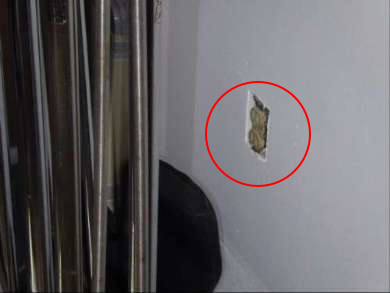
21) Safety, Repair/Maintain - One or more cover plates for switches, receptacles or junction boxes were missing or broken. These plates are intended to contain fire and prevent electric shock from occurring due to exposed wires. Recommend that a qualified person install cover plates where necessary.
Photo 21-1 Photo 21-2
22) Safety, Repair/Maintain - No permanently installed carbon monoxide alarms were found. This is a potential safety hazard. Some states and/or municipalities require CO alarms to be installed for new construction and/or for homes being sold. Recommend installing approved CO alarms outside of each separate sleeping area in the immediate vicinity of the bedrooms on each level and in accordance with the manufacturer's recommendations. For more information, visit: https://www.reporthost.com/?COALRM
Limitations: The following items are not included in this inspection: private/shared wells and related equipment; private sewage disposal systems; hot tubs or spas; main, side and lateral sewer lines; gray water systems; pressure boosting systems; trap primers; incinerating or composting toilets; fire suppression systems; water softeners, conditioners or filtering systems; plumbing components concealed within the foundation or building structure, or in inaccessible areas such as below tubs; underground utilities and systems; overflow drains for tubs and sinks; backflow prevention devices. Any comments made regarding these items are as a courtesy only. Note that the inspector does not operate water supply or shut-off valves due to the possibility of valves leaking or breaking when operated. The inspector does not test for lead in the water supply, the water pipes or solder, does not determine if plumbing and fuel lines are adequately sized, and does not determine the existence or condition of underground or above-ground fuel tanks.
Condition of service and main line: Appeared serviceable
Water service: Public
Condition of supply lines: Appeared serviceable
Supply pipe material: Copper
Condition of drain pipes: Appeared serviceable
Drain pipe material: Plastic
Condition of waste lines: Appeared serviceable
Waste pipe material: Plastic
Vent pipe condition: Appeared serviceable
Vent pipe material: Plastic
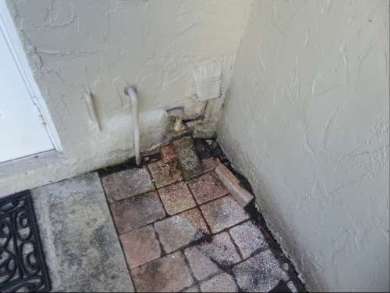
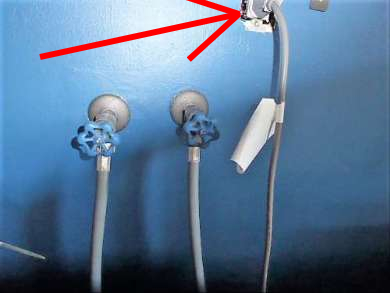
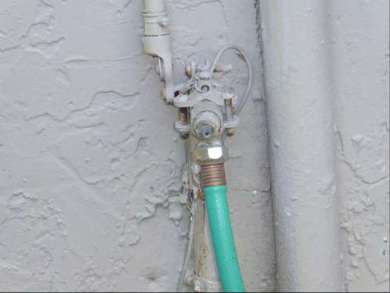
23) Repair/Maintain - One hose bib is missing a handle. Recommend that a qualified plumber repair as necessary.
Limitations: Evaluation of and determining the adequacy or completeness of the following items are not included in this inspection: water recirculation pumps; solar water heating systems; Energy Smart or energy saver controls; catch pan drains. Any comments made regarding these items are as a courtesy only. Note that the inspector does not provide an estimate of remaining life on water heaters, does not determine if water heaters are appropriately sized, or perform any evaluations that require a pilot light to be lit or a shut-off valve to be operated.
Limitations: The following items are not included in this inspection: humidifiers, dehumidifiers, electronic air filters; solar, coal or wood-fired heat systems; thermostat or temperature control accuracy and timed functions; heating components concealed within the building structure or in inaccessible areas; underground utilities and systems; safety devices and controls (due to automatic operation). Any comments made regarding these items are as a courtesy only. Note that the inspector does not provide an estimate of remaining life on heating or cooling system components, does not determine if heating or cooling systems are appropriately sized, does not test coolant pressure, or perform any evaluations that require a pilot light to be lit, a shut-off valve to be operated, a circuit breaker to be turned "on" or a serviceman's or oil emergency switch to be operated. It is beyond the scope of this inspection to determine if furnace heat exchangers are intact and free of leaks. Condensation pans and drain lines may clog or leak at any time and should be monitored while in operation in the future. Where buildings contain furnishings or stored items, the inspector may not be able to verify that a heat source is present in all "liveable" rooms (e.g. bedrooms, kitchens and living/dining rooms).
Condition of furnace filters: Appeared serviceable
Location for forced air filter(s): Behind return air grill(s)
Condition of forced air ducts and registers: Appeared serviceable
Condition of cooling system and/or heat pump: Appeared serviceable, 12y
Cooling system and/or heat pump fuel type: Electric
Type: Split system
Condition of controls: Appeared serviceable
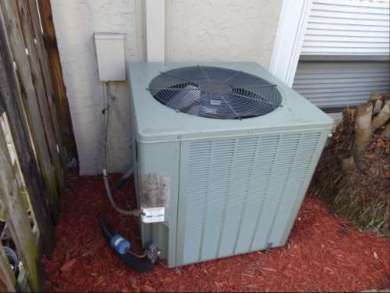
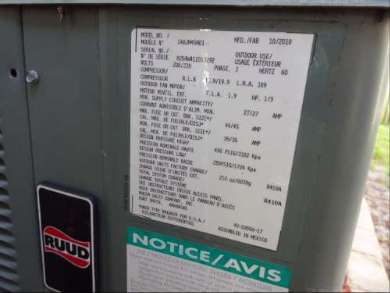
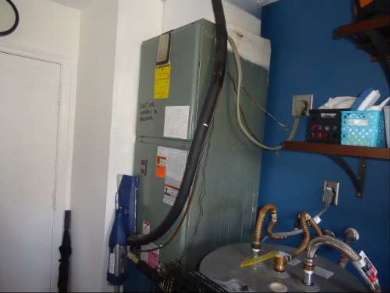
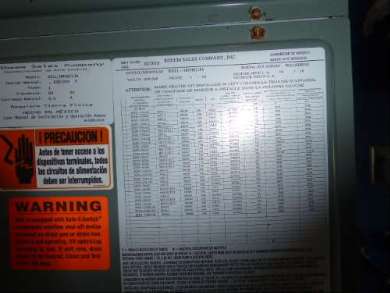
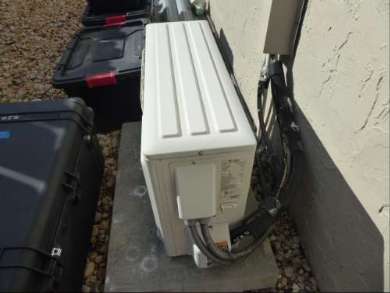
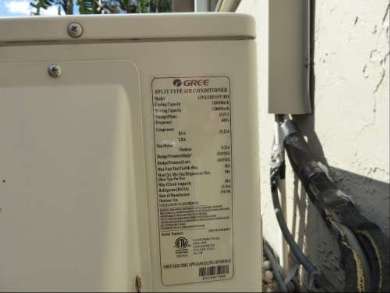
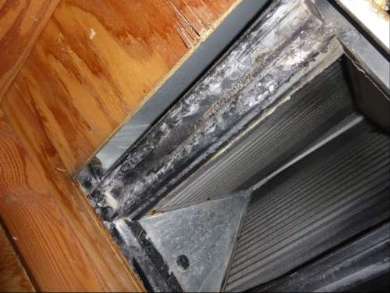
25) Major defect, Comment - The estimated useful life for most air handlers and air conditioning condensing units is 12-15 years. This unit is 12 years old and may need maintenance, repairs or replacing at any time.
NOTE: The mini split for the master bedroom is 3 years old.
Photo 25-1 Photo 25-2
Photo 25-3 Photo 25-4
Photo 25-5 Photo 25-6
Photo 25-7
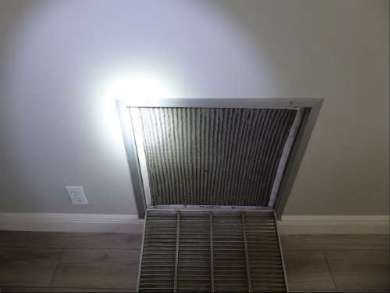
26) Maintain - Recommend that home buyers replace or clean HVAC filters upon taking occupancy depending on the type of filters installed. Regardless of the type, recommend checking filters monthly in the future and replacing or cleaning them as necessary. How frequently they need replacing or cleaning depends on the type and quality of the filter, how the system is configured (e.g. always on vs. "Auto"), and on environmental factors (e.g. pets, smoking, frequency of house cleaning, number of occupants, the season).
Photo 26-1 The AC filter is dirty, seller stated they will install a new filter. Photo 26-2
Limitations: The following items are not included in this inspection: household appliances such as stoves, ovens, cook tops, ranges, warming ovens, griddles, broilers, dishwashers, trash compactors, refrigerators, freezers, ice makers, hot water dispensers and water filters; appliance timers, clocks, cook functions, self and/or continuous cleaning operations, thermostat or temperature control accuracy, and lights. Any comments made regarding these items are as a courtesy only. Note that the inspector does not provide an estimate of the remaining life of appliances, and does not determine the adequacy of operation of appliances. The inspector does not note appliance manufacturers, models or serial numbers and does not determine if appliances are subject to recalls. Areas and components behind and obscured by appliances are inaccessible and excluded from this inspection.
Condition of counters: Appeared serviceable
Condition of cabinets: Appeared serviceable
Condition of sinks and related plumbing: Appeared serviceable
Condition of under-sink food disposal: Appeared serviceable
Condition of dishwasher: Appeared serviceable
Condition of range, cooktop or oven: Appeared serviceable
Range, cooktop or oven type: Electric
Type of ventilation: Hood or built into microwave over range or cooktop
Condition of refrigerator: Appeared serviceable
Condition of built-in microwave oven: Appeared serviceable
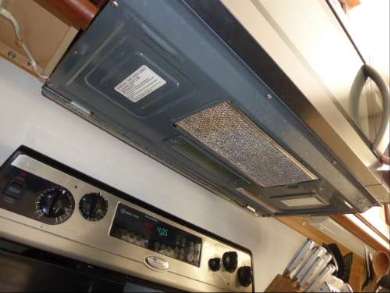
27) Minor defect - The light at the microwave was inoperable. Recommend replacing bulb or that repairs are made, if necessary, by a qualified person.
Limitations: The following items are not included in this inspection: overflow drains for tubs and sinks; heated towel racks, saunas, steam generators, clothes washers, clothes dryers. Any comments made regarding these items are as a courtesy only. Note that the inspector does not determine the adequacy of washing machine drain lines, washing machine catch pan drain lines, or clothes dryer exhaust ducts. The inspector does not operate water supply or shut-off valves for sinks, toilets, bidets, clothes washers, etc. due to the possibility of valves leaking or breaking when operated. The inspector does not determine if shower pans or tub and shower enclosures are water tight, or determine the completeness or operability of any gas piping to laundry appliances.
Condition of counters: Appeared serviceable
Condition of cabinets: Appeared serviceable
Condition of flooring: Appeared serviceable
Condition of sinks and related plumbing: Appeared serviceable
Condition of toilets: Appeared serviceable
Condition of bathtubs and related plumbing: Appeared serviceable
Condition of shower(s) and related plumbing: Appeared serviceable
Condition of ventilation systems: Appeared serviceable
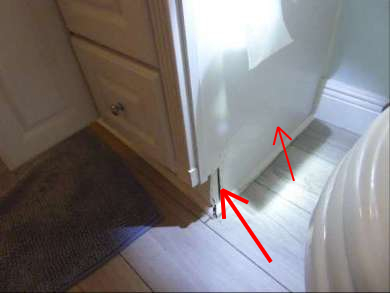
28) Repair/Replace - Water damage was found at the side of the cabinet in the guest bathroom. Recommend that a qualified contractor repair as necessary.
Photo 28-1
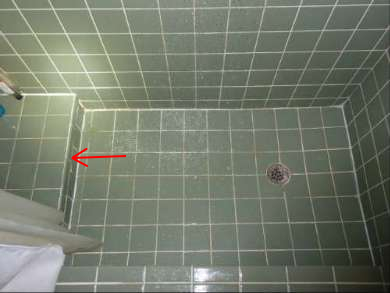
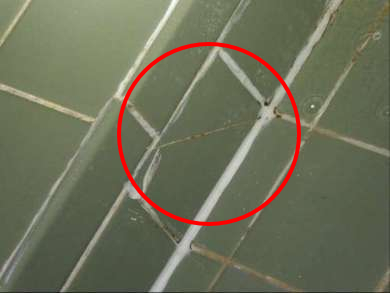
29) Repair/Maintain, Monitor - One tile in the shower enclosure at the master shower is cracked. Recommend that a qualified contractor monitor and or repair as necessary.
Limitations: The following items are not included in this inspection: security, intercom and sound systems; communications wiring; central vacuum systems; elevators and stair lifts; cosmetic deficiencies such as nail-pops, scuff marks, dents, dings, blemishes or issues due to normal wear and tear in wall, floor and ceiling surfaces and coverings, or in equipment; deficiencies relating to interior decorating; low voltage and gas lighting systems. Any comments made regarding these items are as a courtesy only. Note that the inspector does not evaluate any areas or items which require moving stored items, furnishings, debris, equipment, floor coverings, insulation or similar materials. The inspector does not test for asbestos, lead, radon, mold, hazardous waste, urea formaldehyde urethane, or any other toxic substance. Some items such as window, drawer, cabinet door or closet door operability are tested on a sampled basis. The client should be aware that paint may obscure wall and ceiling defects, floor coverings may obscure floor defects, and furnishings may obscure wall, floor and floor covering defects. If furnishings were present during the inspection, recommend a full evaluation of walls, floors and ceilings that were previously obscured when possible. Determining the cause and/or source of odors is not within the scope of this inspection.
Condition of exterior entry doors: Appeared serviceable
Exterior door material: Metal
Condition of interior doors: Appeared serviceable
Condition of windows and skylights: Appeared serviceable
Type(s) of windows: Metal
Condition of walls and ceilings: Appeared serviceable
Wall type or covering: Drywall
Ceiling type or covering: Drywall
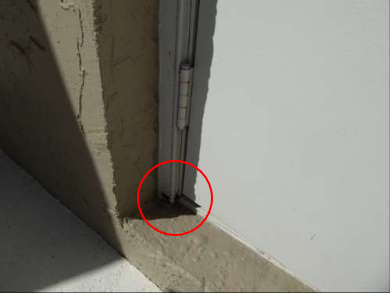
30) Repair/Replace - Fungal rot was found at the cabana bath door. Recommend that a qualified person repair as necessary.
Photo 30-1
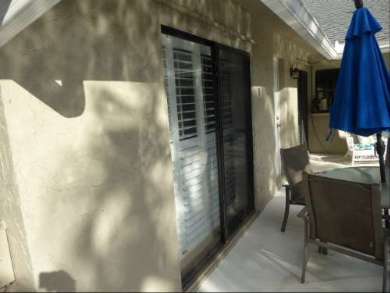
31) Repair/Replace - One or more window screens and slider door screen were damaged or deteriorated. These window(s) may not provide ventilation during months when insects are active. Recommend replacing window screens as necessary.
Photo 31-1
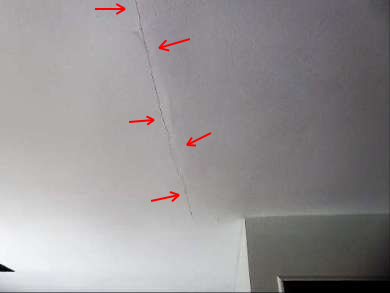
32) Minor defect - Minor cracks, nail pops and/or blemishes were found in walls and/or ceilings in one or more areas (family room ceiling). Cracks and nail pops are common, are often caused by lumber shrinkage or minor settlement, and can be more or less noticeable depending on changes in humidity. They did not appear to be a structural concern, but the client may wish to repair these for aesthetic reasons. For recurring cracks, consider using an elastic crack covering product: https://www.reporthost.com/?ECC
Limitations: The following items are not included in this inspection: swimming pool bodies; equipment on timers, remote controls or sensors; underground or concealed piping; motorized covers; waterfalls and related equipment; Ozone generators; ultraviolate light systems; filter backflushing mechanisms. Any comments made regarding these items are as a courtesy only. Note that the inspector does not disassemble filters, remove pool covers, nor determine if swimming pool bodies, filters or skimmers leak, nor determine if swimming pool bodies are level.
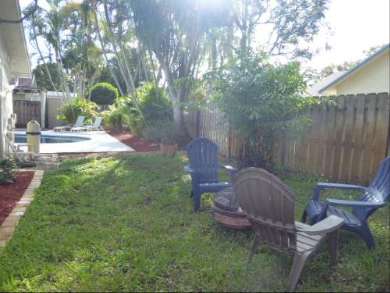
Condition of fences and gates: Appeared serviceable
Fence and gate material: Wood
Condition of body: Appeared serviceable
Body type: Below ground ~
Body material: Plaster-Gunite ~
Condition of deck: Appeared serviceable
Deck material: Concrete
Condition of coping: Appeared serviceable
Coping material: Concrete
Condition of pumps, lines and valves: Appeared serviceable
Water is refilled through: Hose
Types of pumps installed: Circulation
Line material: PVC
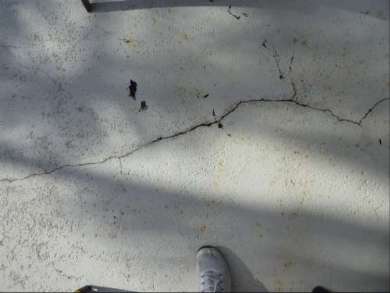
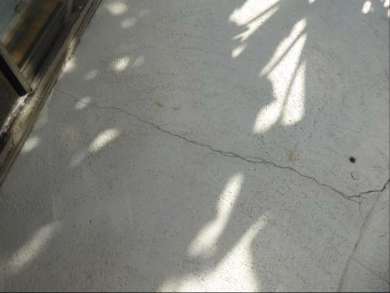
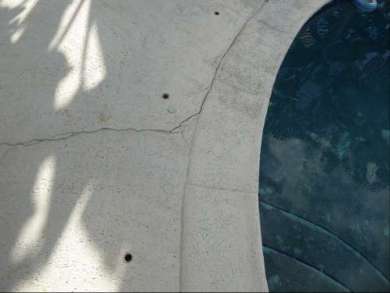
33) Repair/Replace, Evaluate - The concrete pool deck had cracks in one or more areas. A qualified contractor should evaluate and repair or as necessary.
Photo 33-1 Photo 33-2
Photo 33-3
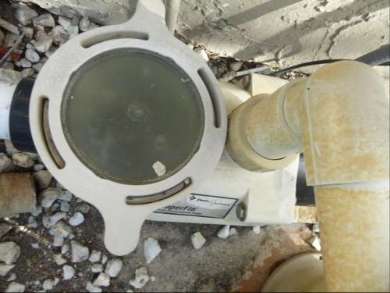
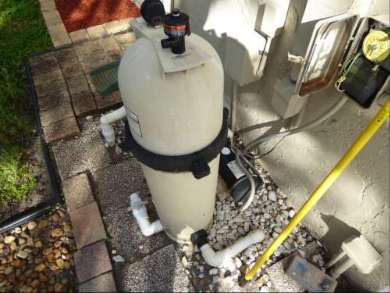
34) Repair/Replace, Evaluate - Air bubbles were present when the circulation pump was operating. Typically this indicates a leak on the suction side of the pump. A qualified contractor should evaluate and repair as necessary.
Photo 34-1 Photo 34-2
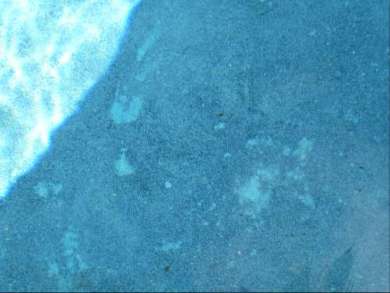
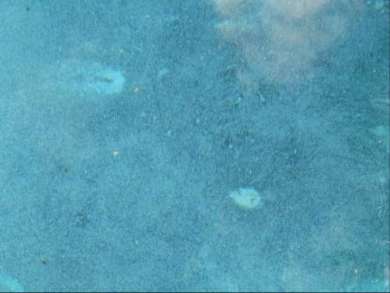
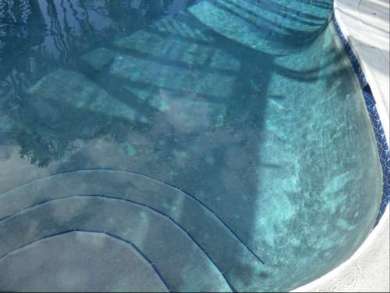
35) Repair/Maintain, Evaluate - The entire plaster surface of the pool body had significant wear marks in many areas. A qualified person should evaluate and repair as necessary. Concrete pools or spas should be re-plastered every 10 to 15 years. For more information, visit: https://www.reporthost.com/?POOLPLASTER
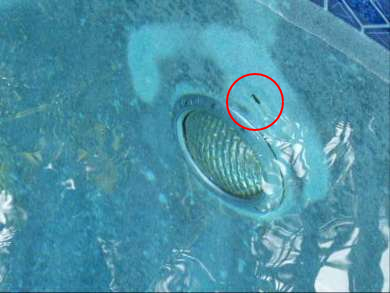
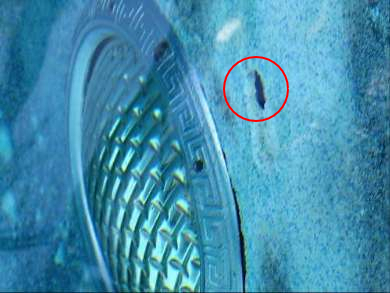
NOTE: There is a small opening in the cementitious pool substrate and is in close proximity of the pool light. Recommend further evaluation and consider installing an LED light.
Photo 35-1 Photo 35-2
Photo 35-3 Photo 35-4
Photo 35-5 There is a small opening in the cementitious pool substrate and is in close proximity of the pool light.