This report published on Sunday, March 31, 2024 8:53:56 PM EDT
This report is the exclusive property of this inspection company and the client(s) listed in the report title. Use of this report by any unauthorized persons is prohibited.
How to Read this Report
This report is organized by the property's functional areas. Within each functional area, descriptive information is listed first and is shown in bold type. Items of concern follow descriptive information.
Concerns are shown and sorted according to these types:
Safety
Poses a risk of injury or death
Repair/Replace
Recommend repairing or replacing
Repair/Maintain
Recommend repair and/or maintenance
Maintain
Recommend ongoing maintenance
Evaluate
Recommend evaluation by a specialist
Monitor
Recommend monitoring in the future
Comment
For your information
Click here for a glossary of building construction terms.Contact your inspector If there are terms that you do not understand, or visit the glossary of construction terms at https://www.reporthost.com/glossary.asp
Occupied: No, but furnishings and stored items are present
Weather conditions: Rain
Temperature: Warm
Ground condition: Wet
Front of structure faces: South
Main entrance faces: East
Foundation type: Crawlspace
The following items are excluded from this inspection: Security system, /Shed, /Low voltage outdoor lighting, /Electrical Snow/Ice melt on roof.
1) Comment - Many wall, floor and/or ceiling surfaces were obscured by large amounts of furniture and/or stored items. Many areas couldn't be evaluated.
2) Safety, Repair/Replace, Evaluate - One or more electric receptacles have reverse-polarity wiring, where the hot and neutral wires are reversed. This is a safety hazard due to the risk of shock. A qualified electrician should evaluate and make repairs as necessary.
Photo 2-1outlet on left rear of the house has the hot-neutral wires reversed, and outlet is not GFCI protected or did not trip at the time of the inspection.
3) Safety, Repair/Replace, Comment - Trip hazard(s) exist at stairs due to non-uniform riser heights. Standard building practices call for riser heights not to vary more than 3/8 inch on a flight of stairs. At a minimum, the client(s) should be aware of this hazard, especially when guests who are not familiar with the stairs are present. Ideally a qualified contractor should evaluate and repair or replace stairs so all riser heights are within 3/8 inch of each other.
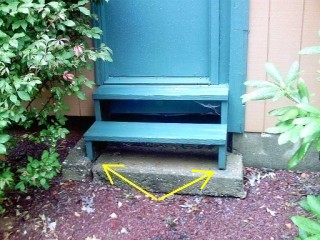
Photo 3-1Concrete pad under steps at front door leading out of four seasons room is cracked and lifted away from stair.
4) Safety, Repair/Replace - One or more deck ledger boards are nailed to the structure rather than being attached by adequate fasteners. This poses a significant safety hazard since the ledger board(s) may separate from the structure, causing the deck(s) to collapse. A qualified contractor should install lag screws or bolts as per standard building practices to securely attach the ledger board(s) to the structure. For more information on installing deck ledger boards visit: http://www.hometime.com/Howto/projects/decks/deck_4.htm
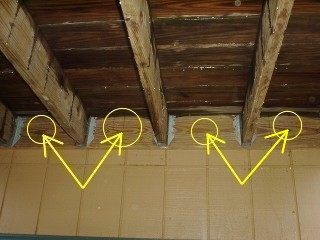
Photo 4-1Upper deck for the master bedroom needs to be lagged bolted into the house, Safety Hazard.
5) Safety, Repair/Replace - One or more flights of stairs with more than two risers have no handrail installed. This is a safety hazard. A qualified contractor should install graspable handrails that your hand can completely encircle at stairs where missing, and as per standard building practices.
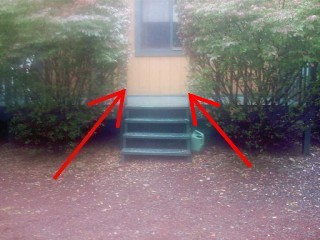
Photo 5-1Recommend hand rail on front stairs leading off front deck, Safety Hazard.
6) Safety, Repair/Replace - One or more exterior electric receptacles aren't GFCI protectected or rated for use in wet areas. This is a safety hazard due to the risk of shock and fire. Repairs should be made as necessary, and by a qualified electrician if necessary, so all exterior receptacles are waterproof as per standard building practices.
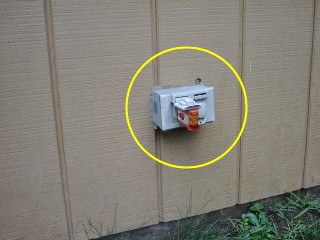
Photo 6-1Outlet on shed is not GFCI protected. Photo 6-2outlet on left rear of the house has the hot-neutral wires reversed, and outlet is not GFCI protected or did not trip at the time of the inspection.
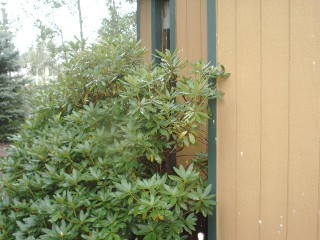
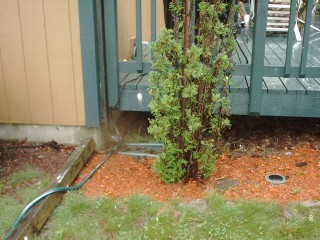
7) Repair/Maintain - Vegetation such as trees, shrubs and/or vines are in contact with or less than one foot from the structure's exterior. Vegetation can serve as a conduit for wood destroying insects and may retain moisture against the exterior after it rains. Vegetation should be pruned and/or removed as necessary to maintain a one foot clearance between it and the structure's exterior.
8) Comment - One or more sections of foundation and/or exterior walls are excluded from this inspection due to lack of access from vegetation, debris and/or stored items.
Photo 8-1Recommend cutting brush back and away from the house.
9) Comment - The substructure of the deck is excluded from the inspection due to limited access because of the low height.
Photo 9-1I could not give full evaluation under deck area, to low to the ground.
10) -
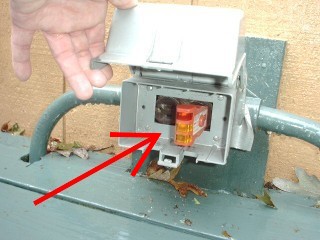
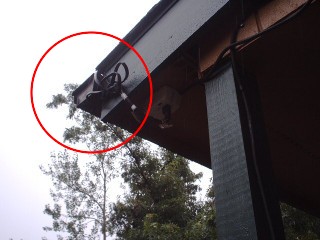
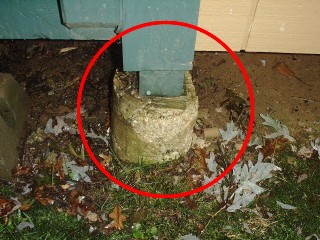
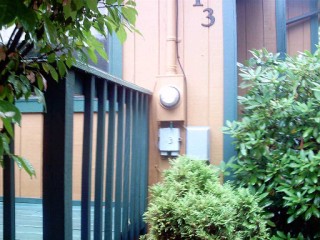
Photo 10-1 Outlet needs cover plate for the snow/ice melt electrical cables on the roofs edge by east door entrance. Photo 10-2Concrete pier for four season room is leaning, Recommend to be evaluated by a contractor for repair.
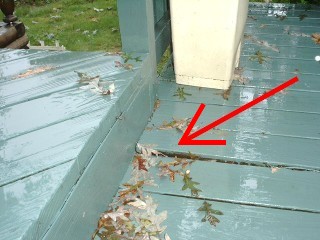
Photo 10-3Deck board is lifted and needs to be re-nailed down.
Roof inspection method: Viewed from ground with binoculars
Roof inspection method: Viewed from eaves on ladder
Roof type: Gable
Roof covering: Asphalt or fiberglass composition shingles
Estimated age of roof: 18 years old
Gutter & downspout material: Aluminum
Roof ventilation: Unable to determine (no access to attic spaces)
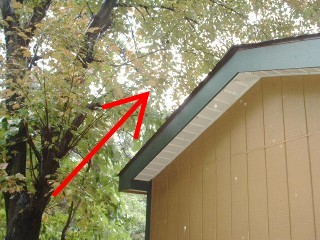
11) Maintain - Trees are overhanging roof and are within 10 feet of roof vertically. This is a conducive condition for wood destroying insects and organisms since organic debris such as leaves or needles are more likely to accumulate on the roof surface. Accumulated debris may cause water to enter gaps in the roof surface and leak into attic and/or interior spaces. Trees should be pruned so they are at least 10 feet above roof, or don't overhang the roof.
Photo 11-1Recommend to cut tree limbs away from top of shed area.
Primary service overload protection type: Circuit breakers
Service amperage (amps): 200
Service voltage (volts): 120/240
Location of main disconnect: Breaker at top of main service panel
Service entrance conductor material: Aluminum
System ground: Ground rod(s) in soil
Main disconnect rating (amps): 200
Smoke detectors present: Yes
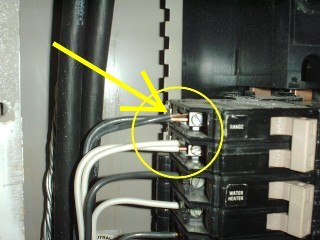
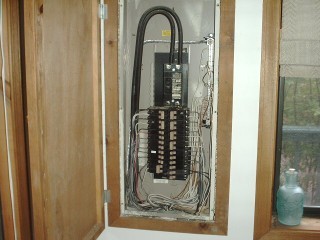
12) Safety, Repair/Replace, Evaluate - One or more overcurrent protection devices (circuit breakers) are "double tapped", where 2 or more wires are clamped in a terminal designed for only one wire. This is a safety hazard since the bolt or screw may tighten securely against one wire, but leave others loose. Arcing, sparks and fires may result. A qualified electrician should evaluate and repair as necessary.
Photo 12-1The top left breaker is double tapped.
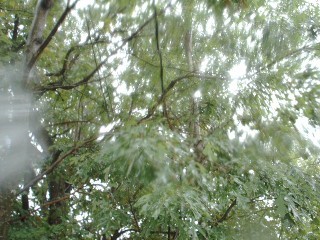
13) Safety, Repair/Replace - The service drop wires are in contact with trees or vegetation. Recommend having a qualified tree service company or arborist prune or remove trees as necessary to prevent straining or abrading the service drop wires.
Photo 13-1Recommend to cut tree limbs away from electrical lines leading into the house.
14) -
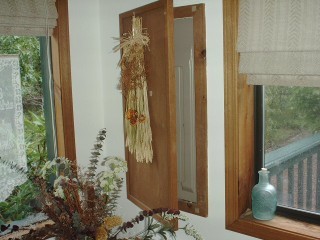
Photo 14-1 Electrical panel box is behind the wood door in the south east corner of the living room. Photo 14-2
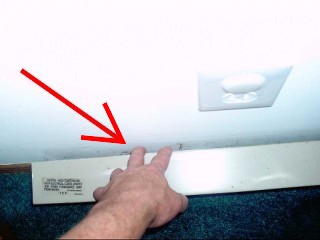
Photo 17-1Electric base board heater in living room under the electrical panel box and behind the couch is loose from the wall, Recommend to re-attach to wall.
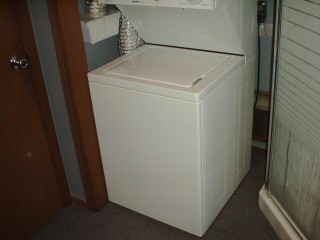
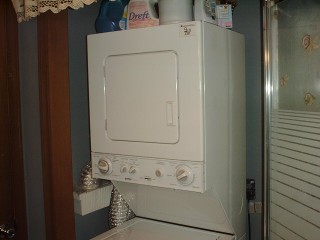
18) Comment - Neither the clothes washer nor dryer were operated or evaluated. They are excluded from this inspection.
Photo 18-1 Photo 18-2
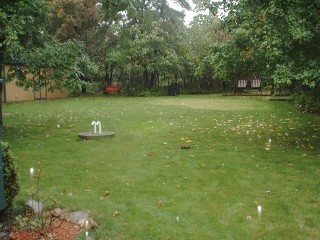
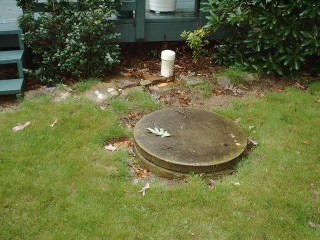
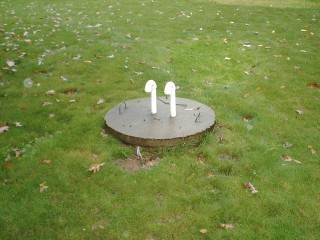
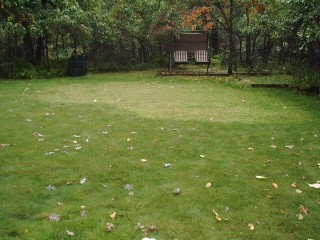
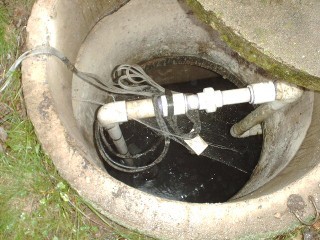
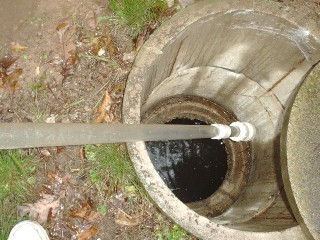
19) - The septic tank is located approximately 20 foot from the house off rear deck, and the dosing tank is located 10 foot effluent of the septic tank, and the drain field is located approximately 30 feet effluent of the dosing tank, at the rear of the property. (The septic system is working properly as it should) For information on how to maintain your septic system click here: http://www.poconohomeinspection.com/?D=31
Photo 19-1 Septic Tank off rear deck. Photo 19-2 Dosing Tank.
Photo 19-3 Waste Water drain field area. Photo 19-4I could not find the alarm for the dosing tank pump in case the pump was to fail, Recommend asking home owner if and where the alarm is.
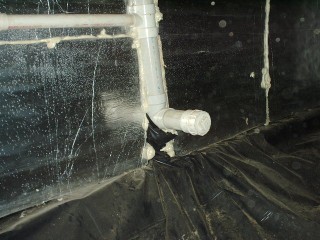
Photo 19-5 There was no waste solids at the bottom of the septic tank, (The Septic Tank DOES NOT have to be pumped out). Photo 19-6 Waste water pipe discharge in the crawl space.
Insulation material underneath floor above: Fiberglass roll or batt
Pier or support post material: Masonry
Beam material: Built up wood
Floor structure above: Solid wood joists
Vapor barrier present: Yes
21) Repair/Replace, Evaluate - Standing water was found in one or more sections of the crawl space. Accumulated water is a conducive condition for wood destroying insects and organisms and should not be present in the crawl space. A qualified contractor who specializes in drainage issues should evaluate and repair as necessary. Typical repairs for preventing water from accumulating in crawl spaces include:
Repairing, installing or improving rain run-off systems (gutters, downspouts and extensions or drain lines)
Improving perimeter grading
Repairing, installing or improving underground footing and/or curtain drains
Ideally, water should not enter crawl spaces, but if water must be controlled after it enters the crawl space, then typical repairs include installing trenches, drains and/or sump pump(s) in the crawl space.
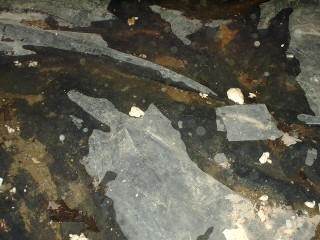
Photo 21-1 Several inches of water was lying under the vapor barrier on west side of the crawl space where the main crawl space entrance is. Recommend digging trenches from low lying sections in floor of the crawl space to the sump pump, so the water is discharged to the out side and out of the crawl space area by the sump pump.
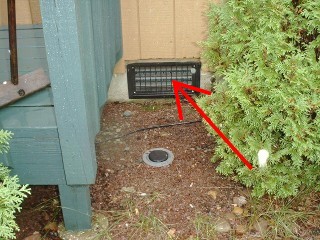
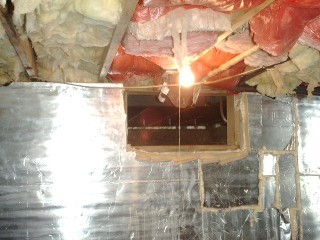
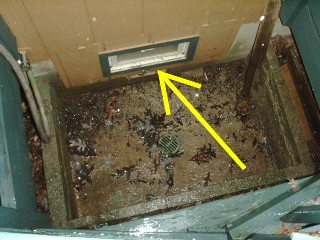
22) Repair/Replace - One or more crawl space vent screens are blocked by soil, debris, insulation, stored items or removable panels. This restricts ventilation in the crawl space and may result in increased levels of moisture inside. Materials or items blocking vents should be removed. Recommend cutting styrofoam insulation away from the vents in the crawl space area so there is proper ventilation to help keep moisture levels down in crawl space area.
Photo 22-1
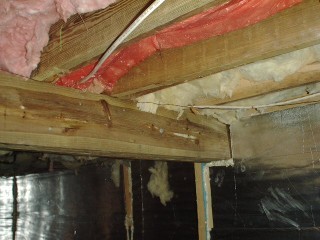
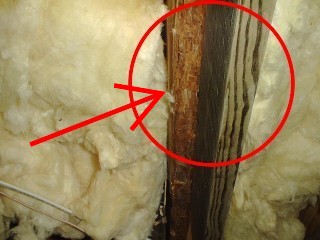
23) - I was not able to fully evaluate the under side of the floor from the crawl space area, the insulation in-between the floor joist blocked my view. what was visible i could see that the crawlspace was redone as far as rotted timber area's, (joist/beams) was replaced or by sistering pressure treated lumber along side of the rotted or deteriorated lumber to replace or for support. In my opinion i recommend taking out the insulation in-between the floor joist, (There is also styrofoam insulation on the foundation walls and should only be on walls), for reasons that the insulation in-between the joist (harbors mice / rodents) and will wick (water / moisture) from the crawlspace area and will rot the lumber that it is in contact with.
Photo 23-1 Photo 23-2
24) -
Photo 24-1 Crawl space entrance on west side of the house by four seasons room. Photo 24-2 All crawl space area was redone with pressure treated joist sistered along side of old rotted joist.
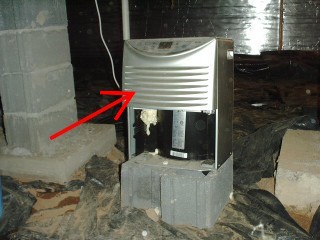
Photo 24-3 There was a dehumidifier in the crawl space area.
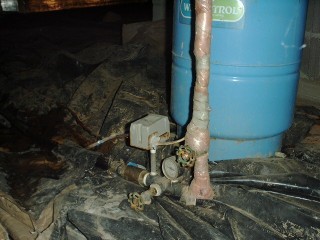
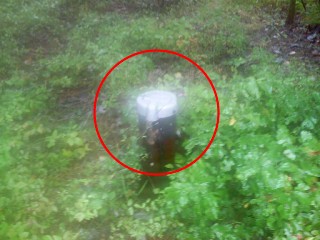
25) - The well head is located approximately 40 foot from the house on the right front side of the drive way. The well depth is 380 feet, and the well pumps 5 gallons of water per-minute.
Photo 25-1 The pressure tank switch and gauge located in crawl space. Photo 25-2 Well head is located on the right side of the drive way approximately 40 feet from the house.
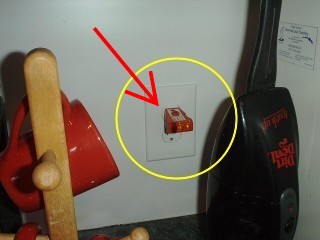
26) Safety, Repair/Replace, Evaluate - One or more electric receptacles that serve countertop surfaces within six feet of a sink appear to have no ground fault circuit interrupter (GFCI) protection. This is a safety hazard due to the risk of shock. A qualified electrician should evaluate to determine if GFCI protection exists, and if not, repairs should be made so that all receptacles that serve countertop surfaces within six feet of sinks have GFCI protection. For example, install GFCI receptacles or circuit breaker(s) as needed.
Photo 26-1Outlet on the right of the kitchen sink is not a GFCI protected outlet.
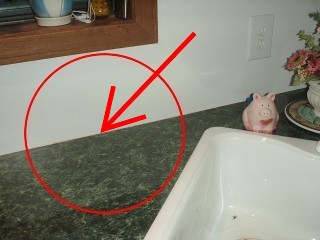
27) Repair/Maintain - Caulk is missing and/or deteriorated where countertops meet backsplashes in wet areas, such as around sinks. Caulk should be replaced where deteriorated and/or applied where missing to prevent water damage.
Photo 27-1Recommend caulking along Kitchen counter top and wall area behind the sink.
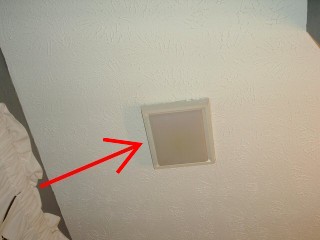
28) Repair/Replace, Evaluate - One or more exhaust fans are noisy or vibrate excessively. A qualified contractor should evaluate and replace the fan(s) or make repairs as necessary.
Photo 28-1The exhaust fan in the 1st floor bathroom is very loud.
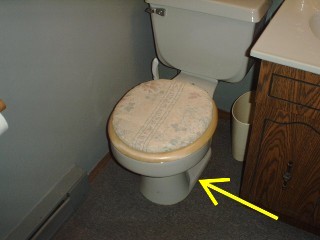
29) Repair/Replace, Evaluate - One or more toilets are loose. A qualified contractor should remove the toilet(s) for further evaluation and repairs if necessary. A new wax ring should be installed and toilet(s) should be securely anchored to the floor to prevent movement and leaking.
Photo 29-1The toilet bowl in the 1st floor bathroom is loose when lifted upward.
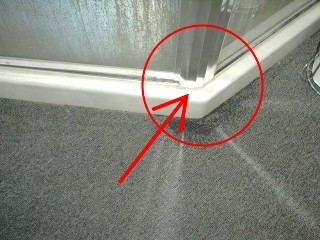
30) Repair/Maintain - Caulk is missing and/or deteriorated at one or more showers. For example, where the shower base meets the floor below and/or around the shower surround. Caulk should be replaced where deteriorated and/or applied where missing to prevent water intrusion and damage to wall and floor structures.
Photo 30-1The shower in the 1st floor bathroom leaks at the bottom corner where the door hinges to the shower, Recommend clean and re-caulk along bottom.
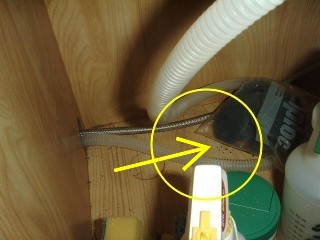
32) Safety, Repair/Replace, Evaluate - Evidence of "light to moderate" rodent infestation was found in one or more areas. The Center for Disease Control (CDC) defines this as less than 20 feces per square foot. Rodent infestation may be a safety hazard due to the risk of contracting Hantavirus Pulmonary Syndrome (HPS). HPS is a rare (only 20-50 cases per year in the United states) but deadly (40% mortality rate) disease transmitted by infected rodents through urine, droppings, or saliva. Humans can contract the disease when they breathe in aerosolized virus. For example, from sweeping up rodent droppings.
Recommend following guidelines in the CDC's Clean Up, Trap Up, Seal Up article for eradicating rodents, cleaning up their waste and nesting materials, and preventing future infestations. While Hanta virus is believed to survive less than one week in droppings and urine, specific precautions should be taken during clean up. The client(s) may wish to consult with a qualified, licensed pest control operator for eliminating the infestation. A qualified licensed abatement contractor or industrial hygenist could be contacted for clean up. If the infestation was minimal, clean up of rodent waste and nesting materials in non-living spaces (crawl spaces and attics) may not be necessary, or may be performed for aesthetic reasons only (odor and appearance).
Photo 32-1Old mouse droppings under kitchen sink area, (not recent).
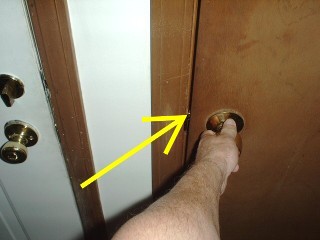
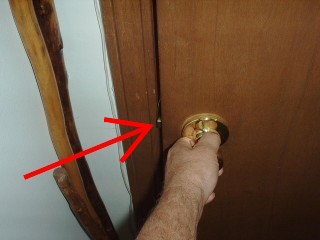
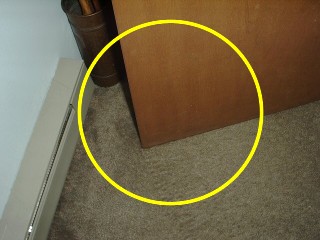
33) Repair/Replace - One or more doors will not latch when closed. and bottom of door drags on the floor or carpet, Repairs should be made as necessary, and by a qualified contractor if necessary. For example, aligning strike plates with latch bolts and/or replacing locksets.
Photo 33-1 Living room closet door will not latch properly. Photo 33-2Door for 1st floor bedroom will not latch properly.
Photo 33-3Door for 1st floor bedroom drags on the floor when opened,.
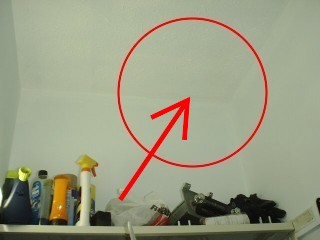
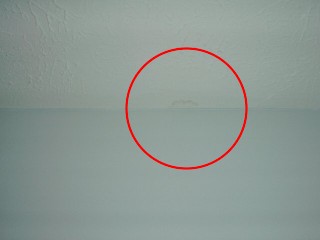
34) Monitor - Stains were found in one or more ceiling areas. However, no elevated levels of moisture were found. The stain(s) may be due to past roof and/or plumbing leaks. Recommend asking the property owner(s) about this, and monitoring the stained area(s) in the future, especially after heavy or prolonged rain. If elevated moisture is found in the future, a qualified contractor should evaluate and repair as necessary.
Photo 34-1Old water stain in top right corner of living room closet, it was not active at the time of the inspection. Photo 34-2Old water stain above window by door in 1st floor bedroom was not active at the time of the inspection.
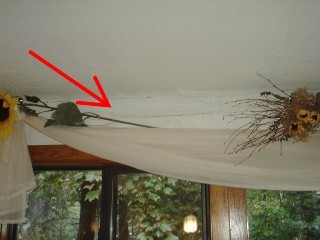
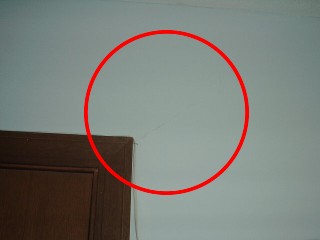
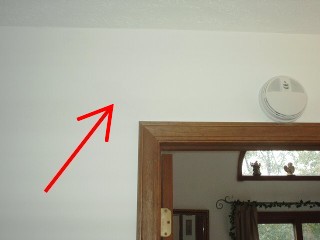
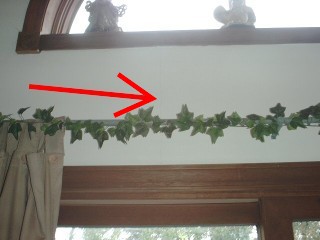
35) Comment - Minor cracks were found in walls in one or more areas. They do not appear to be a structural concern, but the client(s) may wish to repair these for aesthetic reasons.
Photo 35-1Area above windows in four season room is not finished. Photo 35-2Crack above the right top corner of the 1st floor bedroom door.
Photo 35-3Crack above left top corner of bedroom at top of stairs. Photo 35-4Crack above the sliding glass doors in master bedroom.
Home inspectors are not required to report on the following: Life expectancy of any component or system; The causes of the need for a repair; The methods, materials, and costs of corrections; The suitability of the property for any specialized use; Compliance or non-compliance with codes, ordinances, statutes, regulatory requirements or restrictions; The market value of the property or its marketability; The advisability or inadvisability of purchase of the property; Any component or system that was not observed; The presence or absence of pests such as wood damaging organisms, rodents, or insects; or Cosmetic items, underground items, or items not permanently installed. Home inspectors are not required to: Offer warranties or guarantees of any kind; Calculate the strength, adequacy, or efficiency of any system or component; Enter any area or perform any procedure that may damage the property or its components or be dangerous to the home inspector or other persons; Operate any system or component that is shut down or otherwise inoperable; Operate any system or component that does not respond to normal operating controls; Disturb insulation, move personal items, panels, furniture, equipment, plant life, soil, snow, ice, or debris that obstructs access or visibility; Determine the presence or absence of any suspected adverse environmental condition or hazardous substance, including but not limited to mold, toxins, carcinogens, noise, contaminants in the building or in soil, water, and air; Determine the effectiveness of any system installed to control or remove suspected hazardous substances; Predict future condition, including but not limited to failure of components
By excepting this report, Pocono Home Inspections is not liable for any unseen damage or any future damage that may accrue to the property.