

(360) 676-6908
Inspector's email: steven-l-smith@comcast.net
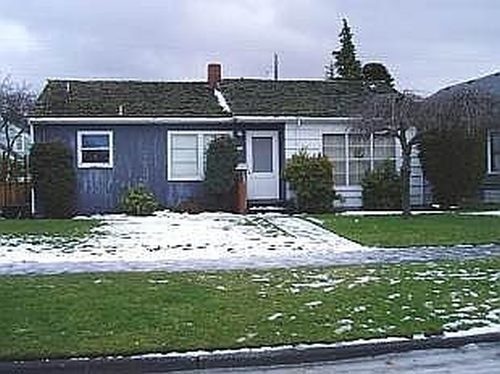
Summary
| Client(s): | John Q. Public |
| Property address: | 4300 Mayne Street |
| Inspection date: | Tuesday, December 28, 2004 |
This report published on Tuesday, October 30, 2018 5:07:12 PM PDT
This is not the complete report. This is the report summary. The concerns listed here are, in the inspector's opinion, more likely to be the higher priority issues that require immediate attention. This summary is not numerically sequential as it plucks descriptions from the full report but leaves them at the same number they had in the full report. Since a client might put more priority on some concerns, that might seem routine to an inspector, the non-summary items should not be ignored. The client should read the full report.
 | Cautionary | Safety concern |
 | Replace-Repair | Replace or repair |
 | Repair-Maintain | Repair and maintain over time |
 | Review-Evaluate | Professional to review, service, repair, replace or, as applicable, client(s) to evaluate information and determine personal level of concern |
 | Maintenance-Service (repair) | Maintain, service or repair |
 | Onsite notes | Onsite observations and suggestions |
 | Informational | Background-informational comment |
 | Infestation | Evidence of the presence of, or damage from, wood destroying insects |
 | Damage | Deterioration, damage or rot as a result of weather exposure or wood destroying organisms |
 | Conducive conditions | A condition that may attract wood destroying organisms (Wood-soil contact, water leaks, etc.) |
Site and Exterior
6) The old wood gutters are decayed (rotted), leaking and loose. Metal downspouts are rusted and leaking as well. I recommend further review by gutter installation professional: Install new gutters and downspouts. As applicable, to divert runoff water away from the building, install extensions such as splashblocks or drain lines. To obtain additional information on downspout extensions and drainage, please follow this link: http://goo.gl/shhp8o
The old wood gutters are decayed (rotted), leaking and loose. Metal downspouts are rusted and leaking as well. I recommend further review by gutter installation professional: Install new gutters and downspouts. As applicable, to divert runoff water away from the building, install extensions such as splashblocks or drain lines. To obtain additional information on downspout extensions and drainage, please follow this link: http://goo.gl/shhp8o
7) Some areas of structural material, under the soffit, siding and trim are decayed (rotted) and paint is failing. I recommend that a qualified general contractor further evaluate and locate all damaged wood. Then remove it and replace with sound material. Then prep (scrape, sand, prime and caulk) and repaint the home. A short video, produced by King of the House Inc. on the topic of rot, may be accessed at this link: http://youtu.be/6p8q1Pa1H_U
Some areas of structural material, under the soffit, siding and trim are decayed (rotted) and paint is failing. I recommend that a qualified general contractor further evaluate and locate all damaged wood. Then remove it and replace with sound material. Then prep (scrape, sand, prime and caulk) and repaint the home. A short video, produced by King of the House Inc. on the topic of rot, may be accessed at this link: http://youtu.be/6p8q1Pa1H_U
8) Windows: The windows are single pane glass and some window panes are broken. Also, window glazing compound has deteriorated and there is rot at wood trim around the windows. I recommend that clients have these windows replaced with new, energy efficient double pane windows. At that time, also, remove any decayed wood and replace with sound materials. All work, and further evaluation, should be completed by a licensed contractor.
Windows: The windows are single pane glass and some window panes are broken. Also, window glazing compound has deteriorated and there is rot at wood trim around the windows. I recommend that clients have these windows replaced with new, energy efficient double pane windows. At that time, also, remove any decayed wood and replace with sound materials. All work, and further evaluation, should be completed by a licensed contractor.
9) The corrugated overhang/roof that covers the back patio has inadequate slope. Instead of runoff being routed toward the front edge, water is being diverted back against the house. This condition has caused staining and decay (rot) of the structural lumber and siding where the corrugated roof attaches to the house. I recommend further evaluation by a qualified contractor, remove all decayed material and replace it with sound wood. Additionally, have the improper slope of the roof altered, so runoff water is no longer diverted toward the house. When work is complete, paint the surface to protect against moisture.
The corrugated overhang/roof that covers the back patio has inadequate slope. Instead of runoff being routed toward the front edge, water is being diverted back against the house. This condition has caused staining and decay (rot) of the structural lumber and siding where the corrugated roof attaches to the house. I recommend further evaluation by a qualified contractor, remove all decayed material and replace it with sound wood. Additionally, have the improper slope of the roof altered, so runoff water is no longer diverted toward the house. When work is complete, paint the surface to protect against moisture.
Attached carport
13) There is decay (rot) at structural lumber at the N/E corner of the sill where the wood attaches to the concrete footing. I recommend further review by general contractor: locate and remove all decayed lumber, replace with sound materials.
There is decay (rot) at structural lumber at the N/E corner of the sill where the wood attaches to the concrete footing. I recommend further review by general contractor: locate and remove all decayed lumber, replace with sound materials.
14) The carport roof has failed and is in the same condition as the roof at the home. I recommend replacing this roof when the deteriorated house roof is replaced, work to be completed by roofing contractor.
The carport roof has failed and is in the same condition as the roof at the home. I recommend replacing this roof when the deteriorated house roof is replaced, work to be completed by roofing contractor.
15) Gutters/downspouts: Wood gutters at the attached carport, as was the case at the primary residence, have rotted and leaks are apparent. I recommend replacing gutters and downspouts on the premises.
Gutters/downspouts: Wood gutters at the attached carport, as was the case at the primary residence, have rotted and leaks are apparent. I recommend replacing gutters and downspouts on the premises.
Roof
16) Fire safety: The chimney, center of the house at the ridge, is too low to the roof. A chimney crown should be at least 3 feet above the roof surface. This chimney is only 18" over this wood roof. Additionally, where the chimney passes through the roof, the metal chimney flashing is heavily rusted and prone to leakage. Spalling, a form of deterioration, is present at the bricks and the mortar has deteriorated. I recommend repairs/alterations, as might be required, with work to be done by a qualified chimney contractor.
Fire safety: The chimney, center of the house at the ridge, is too low to the roof. A chimney crown should be at least 3 feet above the roof surface. This chimney is only 18" over this wood roof. Additionally, where the chimney passes through the roof, the metal chimney flashing is heavily rusted and prone to leakage. Spalling, a form of deterioration, is present at the bricks and the mortar has deteriorated. I recommend repairs/alterations, as might be required, with work to be done by a qualified chimney contractor.
17) The shake roof is beyond its useful life. The shakes have decayed and the roof is leaking -- no longer keeping water out of the home. It was raining at the time of the inspection and obvious leaks, dripping water, from the roof up above were apparent in the attic. I recommend further evaluation by a roofing contractor, obtain an estimate for probable tear-off and replacement of roofing, appurtenances, etc.
The shake roof is beyond its useful life. The shakes have decayed and the roof is leaking -- no longer keeping water out of the home. It was raining at the time of the inspection and obvious leaks, dripping water, from the roof up above were apparent in the attic. I recommend further evaluation by a roofing contractor, obtain an estimate for probable tear-off and replacement of roofing, appurtenances, etc.
18) Plumbing stack flashing leak: There is a hole in the roof where there used to be a plumbing stack, north end of the house. The stack is no longer protruding through the flashing, not filling the hole, so water is now entering the attic. This is, also, referenced in the "attic" section of the report.
Plumbing stack flashing leak: There is a hole in the roof where there used to be a plumbing stack, north end of the house. The stack is no longer protruding through the flashing, not filling the hole, so water is now entering the attic. This is, also, referenced in the "attic" section of the report.
Attic
20) Plumbing stack: A sewer vent stack, north end, is cut too short and it terminates in the attic. This is an active vent, therefore, it will result in sewer gas being vented into the attic which is an unsafe condition. Such a stack MUST be vented to the outdoors. In a related matter, previously referenced in the "roof" section of the report, there is an open hole in the roof above this stack so rain is coming down into the attic. I recommend repair, work to be completed by qualified parties such as a plumber and a roofer.
Plumbing stack: A sewer vent stack, north end, is cut too short and it terminates in the attic. This is an active vent, therefore, it will result in sewer gas being vented into the attic which is an unsafe condition. Such a stack MUST be vented to the outdoors. In a related matter, previously referenced in the "roof" section of the report, there is an open hole in the roof above this stack so rain is coming down into the attic. I recommend repair, work to be completed by qualified parties such as a plumber and a roofer.
Electric service
23) Knob and tube wiring system: While much of it appears to have been replaced, energized knob and tube wiring was found in the attic. "Knob and tube" wiring was commonly installed until the 1950's. The circuits do not have an equipment ground and it is considered outdated by today's standards. The wire's insulation may become brittle and, as is the case here, often new circuits have been incorrectly tapped into the old wiring. It varies but some insurance companies may be unwilling to insure a home with knob and tube wiring. While energized circuits are present, it is not within the scope of the inspection to determine what percentage of wiring is knob and tube or to determine what percentage of the knob and tube wiring is energized vs abandoned. An electrician should evaluate knob and tube wiring and the electrical system and make repairs, or replace this wiring. To see a short video, produced by King of the House Inc., on the history and implications of knob and tube wiring, please follow this link: http://youtu.be/Gn0NjKKAcVc
Knob and tube wiring system: While much of it appears to have been replaced, energized knob and tube wiring was found in the attic. "Knob and tube" wiring was commonly installed until the 1950's. The circuits do not have an equipment ground and it is considered outdated by today's standards. The wire's insulation may become brittle and, as is the case here, often new circuits have been incorrectly tapped into the old wiring. It varies but some insurance companies may be unwilling to insure a home with knob and tube wiring. While energized circuits are present, it is not within the scope of the inspection to determine what percentage of wiring is knob and tube or to determine what percentage of the knob and tube wiring is energized vs abandoned. An electrician should evaluate knob and tube wiring and the electrical system and make repairs, or replace this wiring. To see a short video, produced by King of the House Inc., on the history and implications of knob and tube wiring, please follow this link: http://youtu.be/Gn0NjKKAcVc
24) The main panel was made by Federal Pacific Electric and it utilizes "Stab-Lok" circuit breakers. These circuit breakers are known to fail and they are considered to be unsafe and a potential fire hazard. Additionally, there is no main shut-off in this electrical panel. To turn off the circuits would require tripping more than six circuit breakers. This is a safety concern. The panel shows signs of corrosion and past water intrusion. I recommend replacement of this electric panel with work to be completed by a licensed electrician. For additional background information, including testing data and court cases, please follow this link to a short video that was produced by a Washington D.C. electrical contractor: http://youtu.be/qSBpyM7oo8s
The main panel was made by Federal Pacific Electric and it utilizes "Stab-Lok" circuit breakers. These circuit breakers are known to fail and they are considered to be unsafe and a potential fire hazard. Additionally, there is no main shut-off in this electrical panel. To turn off the circuits would require tripping more than six circuit breakers. This is a safety concern. The panel shows signs of corrosion and past water intrusion. I recommend replacement of this electric panel with work to be completed by a licensed electrician. For additional background information, including testing data and court cases, please follow this link to a short video that was produced by a Washington D.C. electrical contractor: http://youtu.be/qSBpyM7oo8s
25) Receptacles are not GFCI protected at the kitchen countertop. Other receptacles near water areas -- outside and baths -- are GFCI protected. GFCI protected receptacles reduce the likelihood of serious electrical shocks in wet environments. Licensed electrician to repair/replace as required onsite. GFCI protected receptacles should be, periodically, tested for function since they may fail unexpectedly. General guidelines for GFCI protection are included below:
* All outdoor receptacles located at grade level and at decks and porches
* Receptacles in garages and any other out buildings with a floor at or below grade level
* All receptacles, no exceptions, that are installed in bathrooms
* All receptacles installed to service kitchen countertop areas
* All receptacles within 6 ft of the outside edge of laundry, wet bar or utility sinks
* All receptacles located in crawl spaces, unfinished basements or mechanical rooms at grade level or below
* Receptacles supplying power to jetted tubs and pumps (ejector pumps and grinders, well pumps, outdoor pumps, etc.)
Receptacles are not GFCI protected at the kitchen countertop. Other receptacles near water areas -- outside and baths -- are GFCI protected. GFCI protected receptacles reduce the likelihood of serious electrical shocks in wet environments. Licensed electrician to repair/replace as required onsite. GFCI protected receptacles should be, periodically, tested for function since they may fail unexpectedly. General guidelines for GFCI protection are included below:* All outdoor receptacles located at grade level and at decks and porches
* Receptacles in garages and any other out buildings with a floor at or below grade level
* All receptacles, no exceptions, that are installed in bathrooms
* All receptacles installed to service kitchen countertop areas
* All receptacles within 6 ft of the outside edge of laundry, wet bar or utility sinks
* All receptacles located in crawl spaces, unfinished basements or mechanical rooms at grade level or below
* Receptacles supplying power to jetted tubs and pumps (ejector pumps and grinders, well pumps, outdoor pumps, etc.)
26) An exposed/bare light bulb was mounted at the ceiling over the bathtub-shower. Any bulb located less than 8 ft over the threshold of a shower stall or the rim of a tub, if the light fixture is subject to spray, must have a UL "wet location" rating. Typically wet location approved fixtures are fully covered-enclosed. I recommend electrician repair, install proper light fixture over tub-shower.
An exposed/bare light bulb was mounted at the ceiling over the bathtub-shower. Any bulb located less than 8 ft over the threshold of a shower stall or the rim of a tub, if the light fixture is subject to spray, must have a UL "wet location" rating. Typically wet location approved fixtures are fully covered-enclosed. I recommend electrician repair, install proper light fixture over tub-shower.
Water heater
29) The water heater lacks seismic bracing, a condition that makes the tank vulnerable to tipping. I recommend installing approved seismic straps/bands: Work to be completed by qualified party such as plumber or HVAC technician. A diagram, that depicts the preferred means of installing seismic straps near the top and the bottom of a tank, may be accessed at this link: http://goo.gl/IbE2pe
The water heater lacks seismic bracing, a condition that makes the tank vulnerable to tipping. I recommend installing approved seismic straps/bands: Work to be completed by qualified party such as plumber or HVAC technician. A diagram, that depicts the preferred means of installing seismic straps near the top and the bottom of a tank, may be accessed at this link: http://goo.gl/IbE2pe
30) The temperature pressure relief valve drain line is routed upward. This valve is an emergency device, but periodically small amounts of water could be discharged. If the drain is routed up, water can collect near the valve and that can lead to corrosion and impair the operation of the valve during an emergency. Therefore, drain line must be routed either down or horizontally. In light of the safety hazard, and specific prescriptive guidelines for TPRV drain line installation, qualified plumbing contractor to repair. A short video, produced by King of the House Inc., on the topic of TPR valves and drain lines may be accessed at this link: http://youtu.be/iwCfEWvzYds
The temperature pressure relief valve drain line is routed upward. This valve is an emergency device, but periodically small amounts of water could be discharged. If the drain is routed up, water can collect near the valve and that can lead to corrosion and impair the operation of the valve during an emergency. Therefore, drain line must be routed either down or horizontally. In light of the safety hazard, and specific prescriptive guidelines for TPRV drain line installation, qualified plumbing contractor to repair. A short video, produced by King of the House Inc., on the topic of TPR valves and drain lines may be accessed at this link: http://youtu.be/iwCfEWvzYds
Heating and air conditioning
33) The heater in the kitchen operated when it was tested, but it is a Cadet model FX in-wall unit. This heater has been recalled, due to safety concerns, by the Consumer Products Safety Commission. I recommend that a licensed electrician further evaluate and repair/replace heater.
The heater in the kitchen operated when it was tested, but it is a Cadet model FX in-wall unit. This heater has been recalled, due to safety concerns, by the Consumer Products Safety Commission. I recommend that a licensed electrician further evaluate and repair/replace heater.
34) Flammables, primarily drapes, are in close proximity to the electric heaters. Manufacturers' specifications vary, but electric heaters attain high temperatures. A thermal image of an electric heater, and nearby drapes heating up, gives insight into the fire-safety problem created when heaters are too close to drapes or other combustible materials including furniture. I recommend immediate repair: Maintain, as minimums, 6" of clearance above and at least 2"-3" of clearance in front of all heaters.
Flammables, primarily drapes, are in close proximity to the electric heaters. Manufacturers' specifications vary, but electric heaters attain high temperatures. A thermal image of an electric heater, and nearby drapes heating up, gives insight into the fire-safety problem created when heaters are too close to drapes or other combustible materials including furniture. I recommend immediate repair: Maintain, as minimums, 6" of clearance above and at least 2"-3" of clearance in front of all heaters.
Fireplaces and solid fuel burning appliances
36) Wood burning stove hearth is less than 18" deep to the combustible floor. This creates a risk of fire, as a result of falling embers, when the door to the fire chamber is opened. I recommend purchasing a non-combustible hearth pad, the simple remedy, or extending the non-combustible hearth so it is at least 18" deep. Any work to be completed by qualified contractor.
Wood burning stove hearth is less than 18" deep to the combustible floor. This creates a risk of fire, as a result of falling embers, when the door to the fire chamber is opened. I recommend purchasing a non-combustible hearth pad, the simple remedy, or extending the non-combustible hearth so it is at least 18" deep. Any work to be completed by qualified contractor.
37) By-products of burning (soot and creosote) are evident in the chimney up above and trash has been burned, obviously on a frequent basis, inside the wood burning stove. The National Fire Protection Association has stated that an in-depth Level 2 chimney inspection should be part of every sale or transfer of property with a wood burning device. The Level 2 inspection might reveal defects that were not apparent to the inspector who is a generalist. I recommend cleaning and further evaluation, Level 2 inspection, with work to be completed by a qualified chimney sweep. For detailed information on chimney inspections, please visit: http://goo.gl/lavkcW
By-products of burning (soot and creosote) are evident in the chimney up above and trash has been burned, obviously on a frequent basis, inside the wood burning stove. The National Fire Protection Association has stated that an in-depth Level 2 chimney inspection should be part of every sale or transfer of property with a wood burning device. The Level 2 inspection might reveal defects that were not apparent to the inspector who is a generalist. I recommend cleaning and further evaluation, Level 2 inspection, with work to be completed by a qualified chimney sweep. For detailed information on chimney inspections, please visit: http://goo.gl/lavkcW
Plumbing and laundry
38) The majority of the plumbing drain and vent pipes at the home are old galvanized steel or cast iron piping. Old metal pipe rusts and the material is, at this point, near the end of its design life. It is not within the scope of the inspection to determine what percentage of piping, much of which is concealed in walls or under insulation, is old metal pipe. I recommend further evaluation, estimate of replacement/repair costs, work to be completed by a qualified plumber. A video, produced by King of the House Inc., on the topic of old metal plumbing pipes may be accessed at this link: http://youtu.be/oZj7x1aa_xk
The majority of the plumbing drain and vent pipes at the home are old galvanized steel or cast iron piping. Old metal pipe rusts and the material is, at this point, near the end of its design life. It is not within the scope of the inspection to determine what percentage of piping, much of which is concealed in walls or under insulation, is old metal pipe. I recommend further evaluation, estimate of replacement/repair costs, work to be completed by a qualified plumber. A video, produced by King of the House Inc., on the topic of old metal plumbing pipes may be accessed at this link: http://youtu.be/oZj7x1aa_xk
39) Missing outside dryer hood. The duct from behind the dryer terminates inside the house at the kitchen -- where the dryer is located. This results in excess humidity and moisture being discharged into the home. I recommend installing a proper duct to the outside. Work to be completed, utilizing approved materials, by a qualified appliance installation professional.
Missing outside dryer hood. The duct from behind the dryer terminates inside the house at the kitchen -- where the dryer is located. This results in excess humidity and moisture being discharged into the home. I recommend installing a proper duct to the outside. Work to be completed, utilizing approved materials, by a qualified appliance installation professional.
40) The washing machine is installed in the kitchen and, so as to be able to drain the appliance, a hose has been routed through a wall to a drain inside a closet. Flexible hoses should not be routed through, inside, walls. I recommend repair, installation of proper piping and drain, work to be completed by a qualified plumber.
The washing machine is installed in the kitchen and, so as to be able to drain the appliance, a hose has been routed through a wall to a drain inside a closet. Flexible hoses should not be routed through, inside, walls. I recommend repair, installation of proper piping and drain, work to be completed by a qualified plumber.
41) Copper water supply pipes under the house are insulated, or wrapped, with old rolled-up newspapers. The paper has deteriorated. I recommend insulating supply pipes with modern pipe-wrap to protect them from freezing in cold weather. Work to be completed by qualified contractor.
Copper water supply pipes under the house are insulated, or wrapped, with old rolled-up newspapers. The paper has deteriorated. I recommend insulating supply pipes with modern pipe-wrap to protect them from freezing in cold weather. Work to be completed by qualified contractor.
42) Sewer line scoping: This is an older property, may have original clay sewer line. Ascertaining proper function of a sewer line is beyond the purview of a visual inspection. Latent problems, including blockages or roots growing, might be present at a property of this age. I recommend further review, with work to be completed by a plumbing contractor who has the capability to inspect inside sewer lines-buried piping with a remote camera. A contractor produced video, descriptive of scoping a sewer line with a camera, may be accessed at this link: http://youtu.be/wzLyg5QXiRk
Sewer line scoping: This is an older property, may have original clay sewer line. Ascertaining proper function of a sewer line is beyond the purview of a visual inspection. Latent problems, including blockages or roots growing, might be present at a property of this age. I recommend further review, with work to be completed by a plumbing contractor who has the capability to inspect inside sewer lines-buried piping with a remote camera. A contractor produced video, descriptive of scoping a sewer line with a camera, may be accessed at this link: http://youtu.be/wzLyg5QXiRk
Crawl space
44) There is no plastic vapor barrier ground cover over soil in the crawl space. This condition allows moisture in the soil to condense up into the crawl space or even into the home. That can lead to wood decay or other undesirable fungal issues. I recommend installing 6 mil black polyethylene with seams overlapped at least 24" so crawl space soil is covered. Hold plastic down with stones or bricks, not wood. Work to be completed by qualified party.
There is no plastic vapor barrier ground cover over soil in the crawl space. This condition allows moisture in the soil to condense up into the crawl space or even into the home. That can lead to wood decay or other undesirable fungal issues. I recommend installing 6 mil black polyethylene with seams overlapped at least 24" so crawl space soil is covered. Hold plastic down with stones or bricks, not wood. Work to be completed by qualified party.
45) At the north side, a concrete pier block is incorrectly installed. The block is designed to be installed with the opening in a vertical, not a horizontal, position. The built-in hollow channels should be vertically positioned. When channels are placed horizontally, a block has little strength and the block can be crushed. I recommend repair, replacing block and, as might be necessary, re-positioning blocks in the crawl space. Work to be performed by licensed general contractor.
At the north side, a concrete pier block is incorrectly installed. The block is designed to be installed with the opening in a vertical, not a horizontal, position. The built-in hollow channels should be vertically positioned. When channels are placed horizontally, a block has little strength and the block can be crushed. I recommend repair, replacing block and, as might be necessary, re-positioning blocks in the crawl space. Work to be performed by licensed general contractor.
46) The door over the crawlspace entry is decayed. I recommend door replacement. New door to be made of metal or a cement-based materials that will not decay, work to be completed by qualified contractor.
The door over the crawlspace entry is decayed. I recommend door replacement. New door to be made of metal or a cement-based materials that will not decay, work to be completed by qualified contractor.
47) Carpenter ants: Live ants and distinctive wood frass were seen above the fiberglass batt insulation at the N/W corner of the crawl space. Qualified party to remove insulation and repair-replace any structurally compromised wood. Then have a licensed pest control operator/applicator further evaluate the home and, if necessary, perform a chemical treatment with a product that has been approved for the control of carpenter ants. See additional information, referencing carpenter ant activity inside the home, in the "interior" section of this report. A short video, produced by King of the House Inc., on the topic of carpenter ants may be accessed at this link: http://youtu.be/mJ0WeumpF9U
Carpenter ants: Live ants and distinctive wood frass were seen above the fiberglass batt insulation at the N/W corner of the crawl space. Qualified party to remove insulation and repair-replace any structurally compromised wood. Then have a licensed pest control operator/applicator further evaluate the home and, if necessary, perform a chemical treatment with a product that has been approved for the control of carpenter ants. See additional information, referencing carpenter ant activity inside the home, in the "interior" section of this report. A short video, produced by King of the House Inc., on the topic of carpenter ants may be accessed at this link: http://youtu.be/mJ0WeumpF9U
Interior rooms
51) Smoke Alarms: There are no smoke detectors on premises. I recommend installing smoke detectors so a functioning one exists (as applicable) on every floor and in each hallway leading to any bedrooms and in each bedroom. When gas appliances or wood or coal burning devices are present, there should also be a working carbon monoxide detector. Today's smoke detectors are inexpensive, effective and can be installed by almost anyone. Some also have carbon monoxide detectors built into them. Regardless, residents should test the functionality of detectors, upgrade from older units and replace batteries regularly. As is applicable, install a carbon monoxide detector.
Smoke Alarms: There are no smoke detectors on premises. I recommend installing smoke detectors so a functioning one exists (as applicable) on every floor and in each hallway leading to any bedrooms and in each bedroom. When gas appliances or wood or coal burning devices are present, there should also be a working carbon monoxide detector. Today's smoke detectors are inexpensive, effective and can be installed by almost anyone. Some also have carbon monoxide detectors built into them. Regardless, residents should test the functionality of detectors, upgrade from older units and replace batteries regularly. As is applicable, install a carbon monoxide detector.
52) Carbon Monoxide Alarms: A preliminary overview indicates that there are no carbon monoxide (CO) alarms installed on premises. An approved carbon monoxide (CO) alarm should be installed outside each separate sleeping area. These devices may be portable plug-in type, hardwired or built into smoke detectors. I recommend installing a suitable number of CO alarms.
Carbon Monoxide Alarms: A preliminary overview indicates that there are no carbon monoxide (CO) alarms installed on premises. An approved carbon monoxide (CO) alarm should be installed outside each separate sleeping area. These devices may be portable plug-in type, hardwired or built into smoke detectors. I recommend installing a suitable number of CO alarms.
53) Tub/shower(s): There was one tub/shower inspected. There is a wide gap, a water entry point at the wall, next to the tub. The gap has been plugged with a paper towel. This deficiency can allow moisture entry into the wall. I recommend further evaluation, appropriate repairs, with work to be completed by a general contractor and/or a plumber.
Tub/shower(s): There was one tub/shower inspected. There is a wide gap, a water entry point at the wall, next to the tub. The gap has been plugged with a paper towel. This deficiency can allow moisture entry into the wall. I recommend further evaluation, appropriate repairs, with work to be completed by a general contractor and/or a plumber.
54) Live carpenter ants were inside the house on the guest bedroom carpet. When a number of ants are inside a house (live and dead ants on carpet) and multiple ants were seen in the crawl space, this would be defined by the state as an infestation: Seldom is it possible to locate all areas of carpenter ant activity or damage without invasive testing. A general contractor, familiar with the species, should carefully locate any structurally compromised wood, remove/replace with sound material. Eliminate conditions that are conducive to attracting wood destroying organisms and licensed pest management professional to evaluate present conditions and apply treatment in an appropriate manner. See additional comments, regarding carpenter ants, repairs and treatment, in the "crawl space" section of the report.
Live carpenter ants were inside the house on the guest bedroom carpet. When a number of ants are inside a house (live and dead ants on carpet) and multiple ants were seen in the crawl space, this would be defined by the state as an infestation: Seldom is it possible to locate all areas of carpenter ant activity or damage without invasive testing. A general contractor, familiar with the species, should carefully locate any structurally compromised wood, remove/replace with sound material. Eliminate conditions that are conducive to attracting wood destroying organisms and licensed pest management professional to evaluate present conditions and apply treatment in an appropriate manner. See additional comments, regarding carpenter ants, repairs and treatment, in the "crawl space" section of the report.
55) Sink(s): The kitchen and bath sinks were inspected. The kitchen sink has been plumbed with an S-trap vs. a standard P-trap. An S-trap is a deficient design that can lead to siphoning, a dry trap and sewer gas odors entering interior space. The bath sink (pop-up) stopper is nonfunctional. I recommend that a plumber further assess and repair accordingly. To obtain additional information on correctly assembling plumbing traps, visit: http://goo.gl/aB4xMf
Sink(s): The kitchen and bath sinks were inspected. The kitchen sink has been plumbed with an S-trap vs. a standard P-trap. An S-trap is a deficient design that can lead to siphoning, a dry trap and sewer gas odors entering interior space. The bath sink (pop-up) stopper is nonfunctional. I recommend that a plumber further assess and repair accordingly. To obtain additional information on correctly assembling plumbing traps, visit: http://goo.gl/aB4xMf