This report published on Saturday, April 25, 2026 7:18:01 AM PDT
This report is the exclusive property of this inspection company and the client(s) listed in the report title. Use of this report by any unauthorized persons is prohibited.
Concerns are shown and sorted according to these types:
Safety
Poses a safety hazard
Repair/Replace
Recommend repairing or replacing
Repair/Maintain
Recommend repair and/or maintenance
Maintain
Recommend ongoing maintenance
Evaluate
Recommend evaluation by a specialist
Monitor
Recommend monitoring in the future
Comment
For your information
General Information
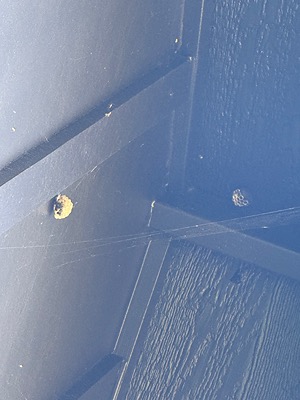
1) One or more hornet, bee or wasp nests were found at the building exterior. These can pose a safety hazard. A qualified person should remove nests or exterminate as necessary.
Photo 1-1
Grounds
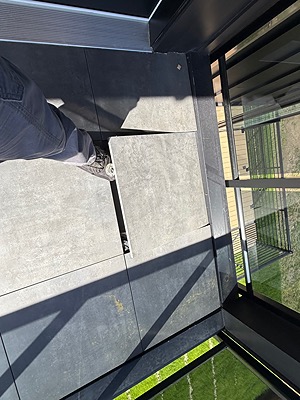
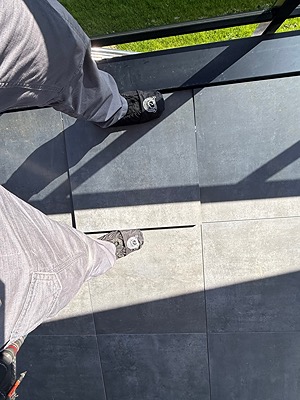
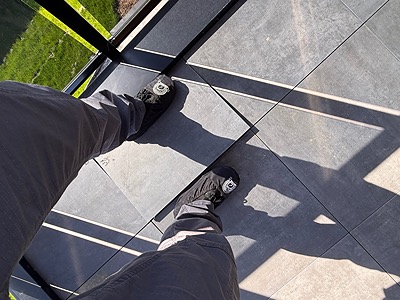
4) One or more back deck pavers unstable due to missing or substandard bracing, or lack of attachment to sub structure. This is a safety hazard since severe movement may cause a person to trip or fall. A qualified contractor should repair as necessary.
Photo 4-1 Photo 4-2
Photo 4-3
5) One or more sets of stairs were unstable and/or wobbly. A qualified contractor should repair as necessary. For example, by installing additional bracing or supports.
Photo 5-1 Photo 5-2
Photo 5-3
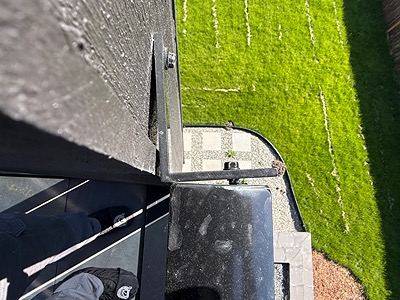
6) Guardrails at one or more locations with drop-offs higher than 30 inches were loose and/or missing components, and pose a fall hazard. Recommend that a qualified person repair guardrails as necessary.
Photo 6-1 Photo 6-2
Exterior and Foundation
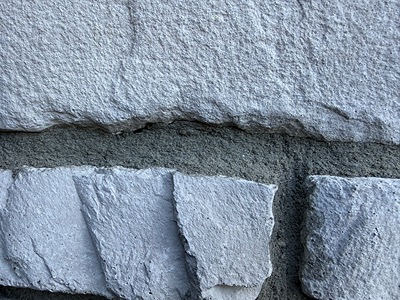
8) The masonry (brick or stone) veneer was deteriorated or damaged in some areas. Where cracks or openings are exposed, water may enter the wall structure causing mold, fungal growth and structural damage. This is a conducive condition for wood-destroying organisms. Recommend that a qualified contractor repair as necessary. For example, by repointing mortar or replacing broken or missing masonry.
Photo 8-1
9) Some sections of siding and/or trim were damaged. Recommend that a qualified person repair, replace or install siding or trim as necessary.
Photo 9-1
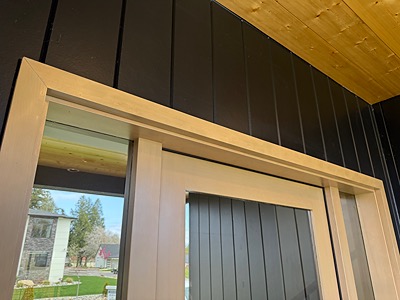
10) One or more windows or doors were installed with no "drip cap" or "Z" flashings installed above them. Better building practices call for such flashings, which greatly reduce the chance of leaks above windows and doors. Without this flashing, caulk and paint must be maintained or water can enter the wall structure and cause rot and possible structural damage. Depending on the exposure (e.g. roof overhang, height of exterior wall, direction of prevailing rain) this may or may not be an issue. The client should monitor these areas in the future and maintain caulk and paint as necessary. Consult with a qualified contractor about installing flashings where needed, and per standard building practices. Note that when trim or siding is removed to install flashing, damaged wood may be found and additional repairs may be needed.
Photo 10-1
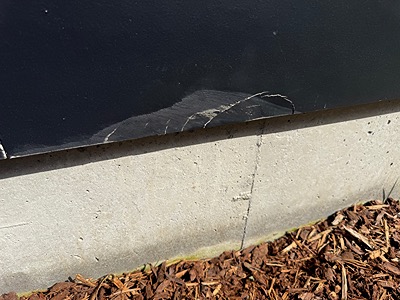
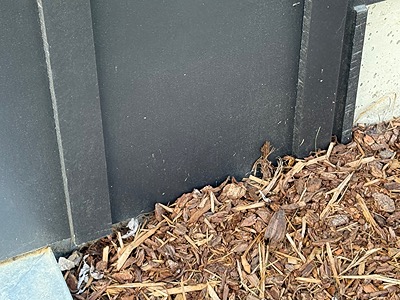
11) Soil was in contact with or less than 6 inches from siding or trim. Regardless of what material is used for siding, it should not be in contact with the soil. If made of wood, siding or trim will eventually rot. For other materials, ground or surface water can infiltrate siding or trim and cause damage to the wall structure. Wood-destroying insects are likely to infest and damage the wall structure. This is a conducive condition for wood-destroying organisms. Recommend grading or removing soil as necessary to maintain a 6-inch clearance. Note that damage from fungal rot and/or insects may be found when soil is removed, and repairs may be necessary.
Photo 11-1
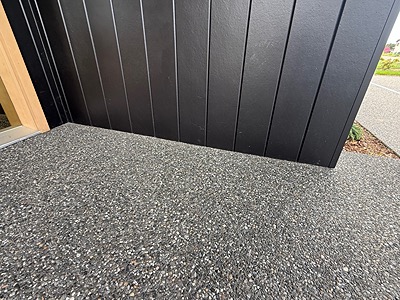
12) Clearances between the cement fiber siding and surfaces below were too small. Moisture may penetrate and damage the siding as a result, and the manufacturer's warranty may be voided. Normally, minimum clearances below the bottom of cement fiber siding and trim include:
6 inches to the finished grade below
2 inches to paths, steps, driveways or deck surfaces below
2 inches to roof surfaces below
1/4 inch to horizontal flashing below, with no caulk applied
Recommend that a qualified contractor repair per the siding/trim manufacturer's specifications. For more information, visit: https://www.reporthost.com/?HARDIPLANK
Photo 12-1
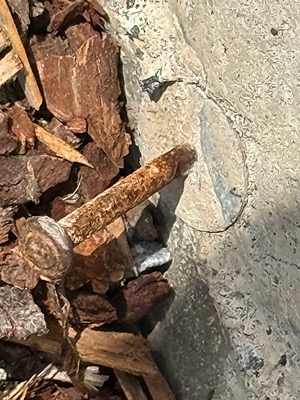
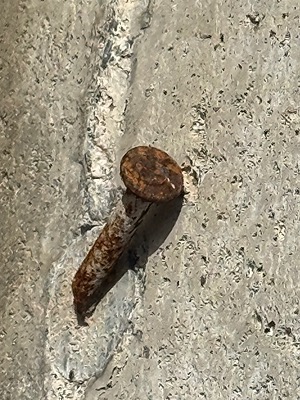
13) Snap ties, which are the metal ties that held the foundation forms together when the concrete was poured, have not been removed. The exposed ends of snap ties should be broken off and removed after the concrete cures. This usually causes some concrete around the ties to break loose, and the resultant void is generally filled with hydraulic cement or a non-shrinking grout. When snap ties are left in place, they rust and can allow water to seep through the foundation. Concrete exposed to rust can degrade. Recommend that a qualified person remove snap ties and patch holes with approved materials as necessary and per standard building practices.
Photo 13-1 Photo 13-2
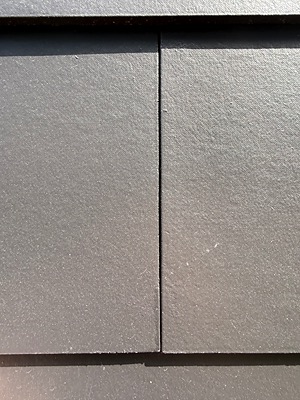
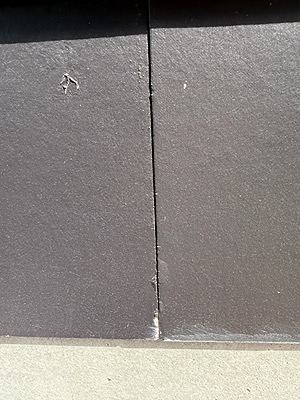
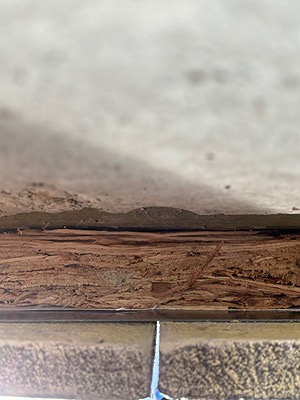
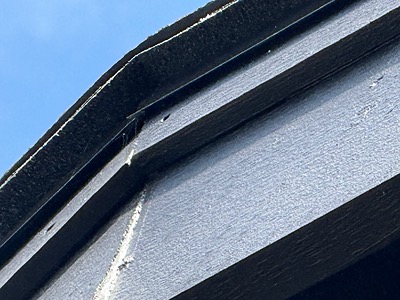
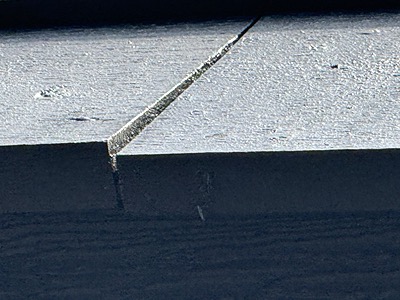
14) Several gaps were found in siding or trim. Vermin, insects or water may enter the structure. For siding butt joints, a waterproof tape is to be installed at all joints to prevent water intrusion. Or having the butt joints caulked.Recommend that a qualified person repair as necessary.
Photo 14-1 Photo 14-2
Photo 14-3 Photo 14-4
Photo 14-5
Roof
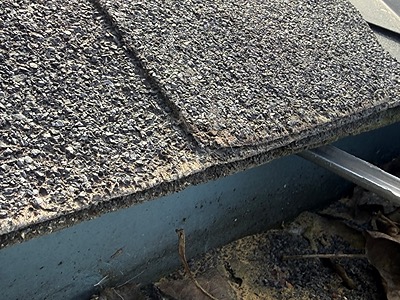
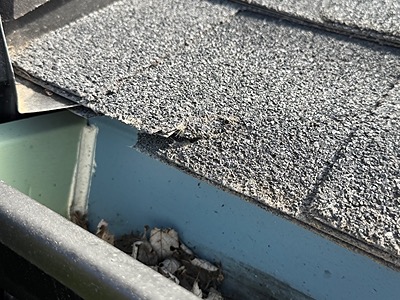
19) Some and/or One composition shingles were loose and/or damaged. Leaks can occur as a result. This is a conducive condition for wood-destroying organisms. Recommend that a qualified contractor repair as necessary. For example, by replacing shingles.
A shingle in the valley appears to be incorrectly layered and debris may collect/catch at this location. This is a conducive condition for water wicking up under the shingles if not monitored or repaired.
Photo 19-1 Photo 19-2
Photo 19-3
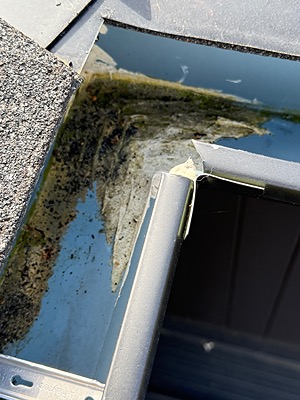
20) One or more gutter corners had an areas where substandard sealant was applied. Water and debris may accumulate in them rather than draining through the downspouts. This can cause gutters to overflow, especially when debris such as leaves or needles has accumulated in them. Rainwater can come in contact with the building exterior or accumulate around the foundation as a result. This is a conducive condition for wood-destroying organisms. Recommend that a qualified person repair as necessary. For example, by correcting the sealant in gutter corners.
Photo 20-1 Photo 20-2
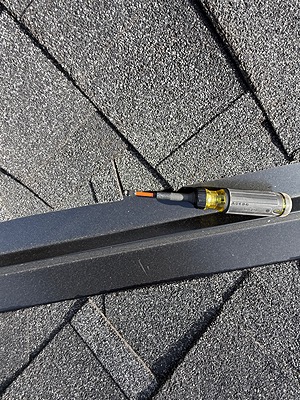
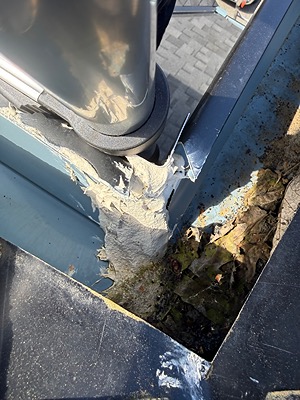
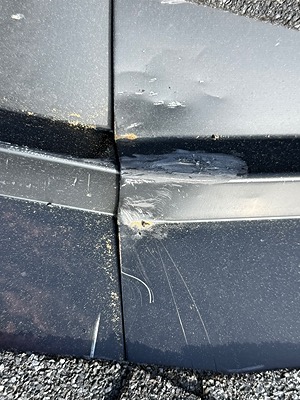
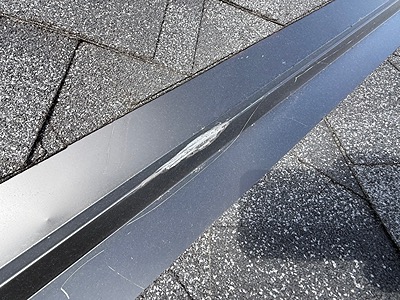
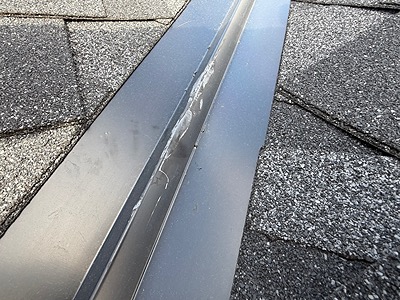
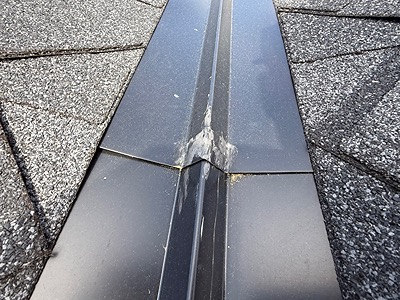
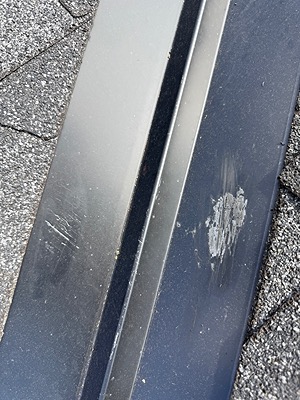
21) One or more roof flashings were Minorly damaged. Leaks can occur as a result. This is a conducive condition for wood-destroying organisms. Recommend that a qualified person repair as necessary.
Scratches were found in numerous areas of the valley and roof flashings. It appears that attempts were made in some areas to seal the scratches. Where paint has been scratched off, rust can form and ultimately deterioration over time, which can lead to leaks. At the very least, proper sealant in these areas of concern, with monitoring for future wear.
Photo 21-1 Photo 21-2
Photo 21-3 Photo 21-4
Photo 21-5
Attic and Roof Structure
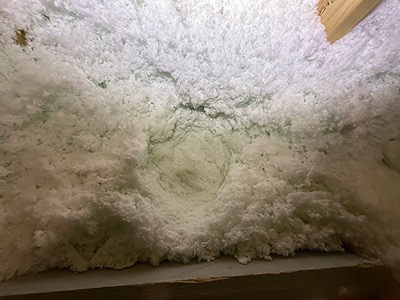
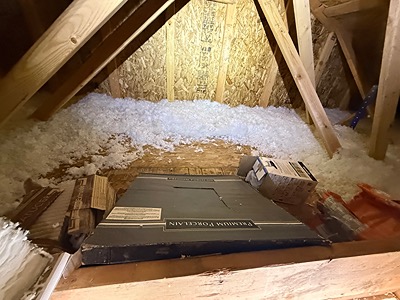
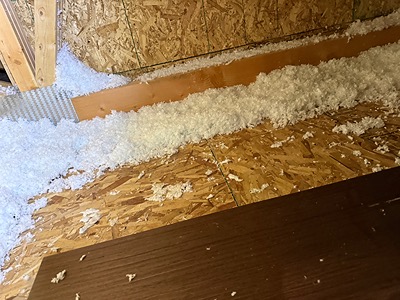
23) The ceiling insulation in one or more areas of the attic was compacted or uneven and/or missing. Heating and cooling costs may be higher due to reduced energy efficiency. Recommend that a qualified person repair, replace or install insulation as necessary and per standard building practices (typically R-38).
This area was the n the attic aces in the garage. Where typically insulation is not required above garages. There was insulation throughout the rest of this attic space. Suggest checking with builder on Insulation requirements and adding insulation as needed.
There was also condensed insulation found in the attic access from the Master bedroom closet.
Photo 23-1 Photo 23-2
Photo 23-3
Electric
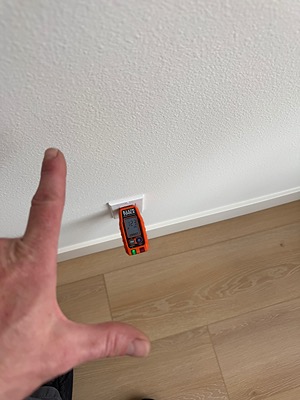
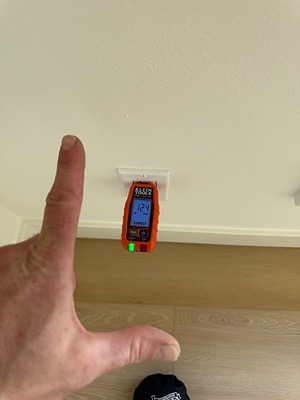
24) One or more electric receptacles and/or the boxes in which they were installed were loose and/or not securely anchored. Wire conductors can be damaged due to repeated movement and/or tension on wires, or insulation can be damaged. This is a shock and fire hazard. Recommend that a qualified electrician repair as necessary.
Photo 24-1 Photo 24-2
Photo 24-3
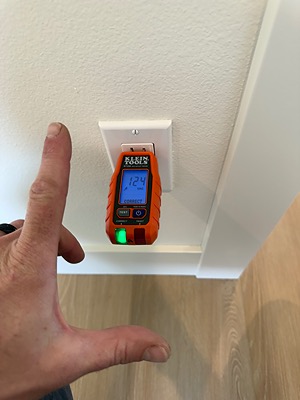
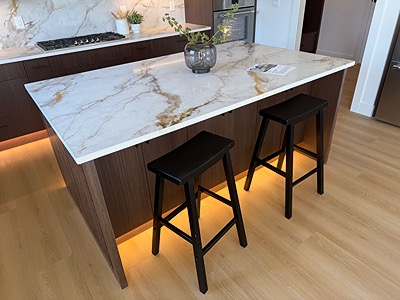
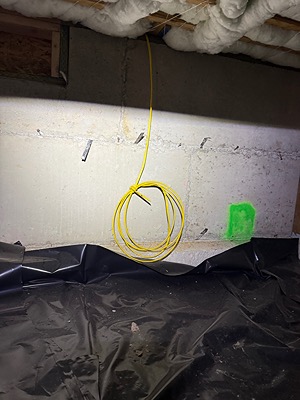
25) No electric receptacle was installed at the kitchen island. At least one GFCI-protected receptacle should be installed at islands with counter tops longer than 12 inches to prevent appliance cords from crossing paths where people walk. Recommend that a qualified electrician install receptacle(s) at the island per standard building practices.
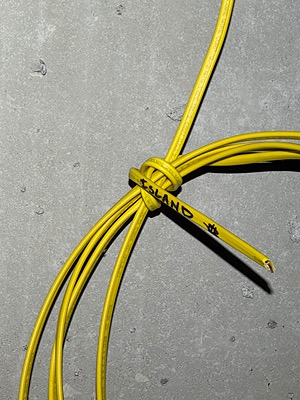
Wiring in crawlspace labeled “island” was found, but it was not connected.
Photo 25-1 Photo 25-2
Photo 25-3
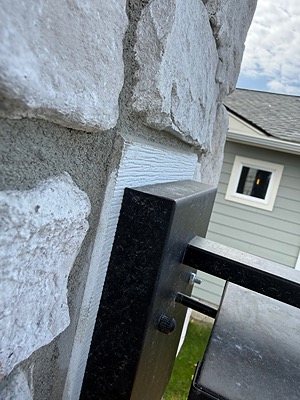
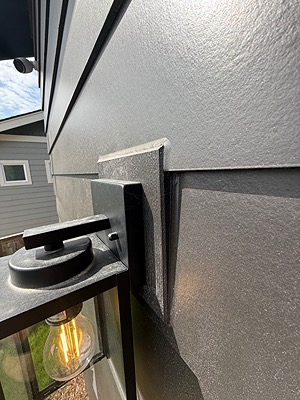
26) One or more wall-mounted exterior light fixtures had no caulk installed above the back plate. Water can enter the space behind the back plate and contact wiring. This is a potential shock hazard. Recommend that a qualified person apply caulk above and around the back plate per standard building practices. A gap should be left at the bottom of the plate so that condensation can drain out.
Some newer light fixtures include a waterproof gasket that is concealed within the fixture and exterior caulk is not needed. It is beyond the scope of the inspection to remove and inspect for this. Suggest confirming with builder, lighting fixture manufacturer or install caulk where needed.
Photo 26-1 Photo 26-2
27) No permanently installed carbon monoxide alarms were found. This is a potential safety hazard. Some states and/or municipalities require CO alarms to be installed for new construction and/or for homes being sold. Recommend installing approved CO alarms outside of each separate sleeping area in the immediate vicinity of the bedrooms on each level and in accordance with the manufacturer's recommendations. For more information, visit: https://www.reporthost.com/?COALRM
Plumbing / Fuel Systems
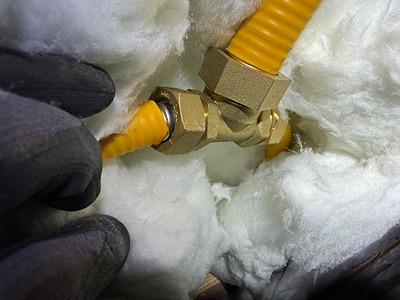
29) Multiple flexible connectors were installed in series in one or more gas supply lines. Only one flexible connector should be used between rigid piping and appliances. Recommend that a qualified contractor repair per standard building practices. For example, by installing a longer, single flexible connector, or by extending rigid piping.
Photo 29-1
Heating, Ventilation and Air Condition (HVAC)
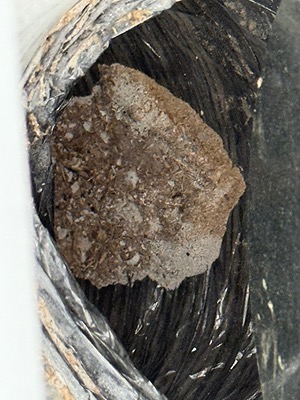
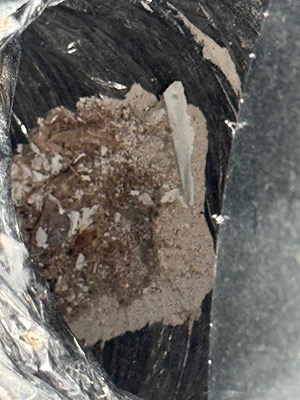
30) Drywall dust, and construction debris such as drywall dust and/or sawdust was found behind or below heating or cooling air supply registers. Drywall dust in particular can reduce the life of heating and cooling equipment if left to circulate. At a minimum, recommend vacuuming ducts at each register. Consider having a qualified contractor clean the ducts.
Photo 30-1 Photo 30-2
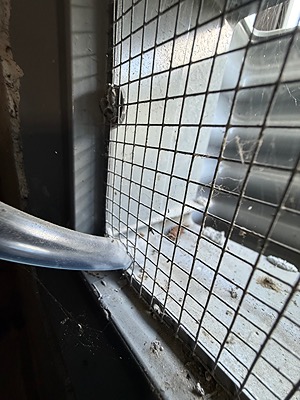
31) The air handler's primary condensate drain line was routed so it drains close the foundation. Significant amounts of water can be produced by this system and can cause water infiltration. In extreme cases the wet soil may not adequately support the foundation. Recommend repairing as necessary so condensate water drains well away from the foundation. For example, by installing a splash block or tying into stormwater drainage system.
Photo 31-1
Kitchen
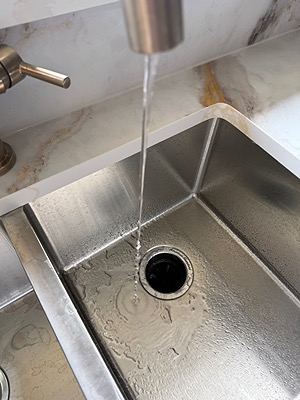
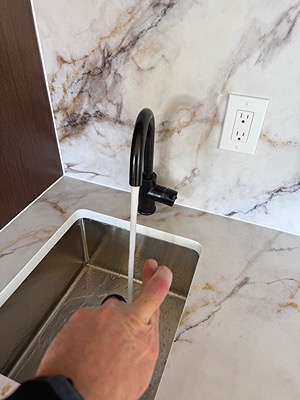
33) The flow from the sink's hot and/or cold water supply was low or inoperable. Recommend that a qualified person evaluate and repair as necessary. Shut-off valves may be partially or fully closed. Note that the inspector does not operate shut-off valves. If repairs are needed, a qualified plumber should make them.
Photo 33-1
34) The hot and cold water supplies appeared to be reversed at the laundry room sink. Typically, cold water is controlled by the right faucet handle and hot by the left. For mixing faucets, cold is typically supplied with the handle to the right and hot when when the handle is to the left, or as indicated by the faucet's markings. Or at a minimum, Hot control to the back of the wall and cold towards the person operating the sink. At a minimum this is an inconvenience, but can result in accidental scalding. Recommend that a qualified plumber repair as necessary.
Photo 34-1
Bathrooms, Laundry and Sinks
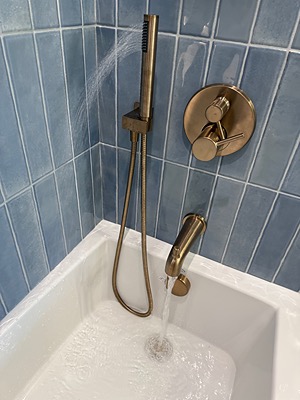
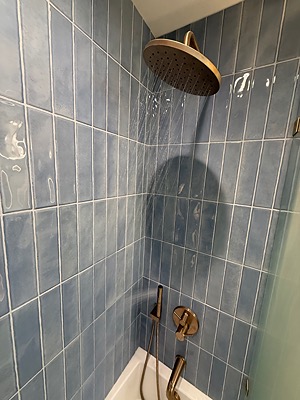
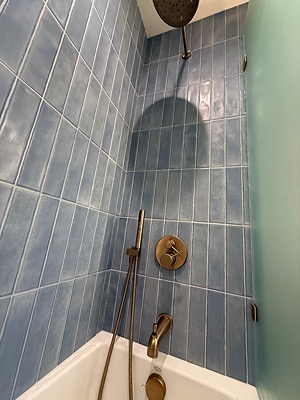
35) A significant amount of water came out of the bathtub spout when the shower at location(s) #B was turned on. The diverter valve is likely defective, or may be encrusted with mineral deposits. Water will be wasted as a result. Recommend that a qualified plumber repair or replace components as necessary.
There is a few variables. But when the finger valve was selected for certain functions, secondary functions also operated at the same time.
Photo 35-1 Photo 35-2
Photo 35-3
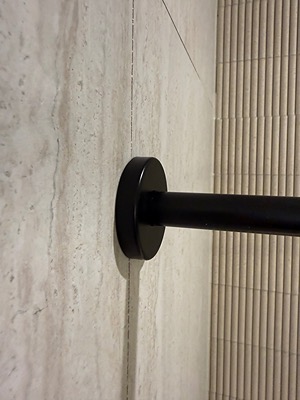
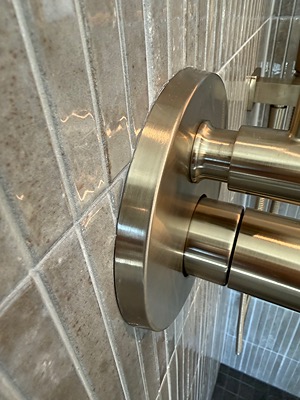
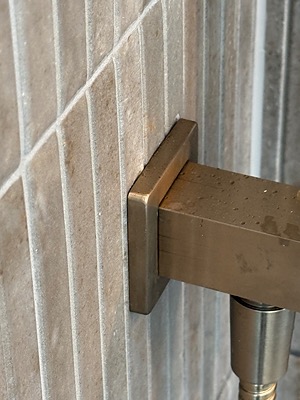
36) Caulk was missing around the base of the bathtub spout, or there was a gap behind it, at location(s) #A and B. Water may enter the wall structure behind the bathtub. Recommend that a qualified person repair as necessary to eliminate the gap. For example, by installing or replacing caulk if the gap is small enough. For larger gaps, a shorter spout nipple or an escutcheon plate can be installed.
Photo 36-1 Photo 36-2
Photo 36-3 Photo 36-4
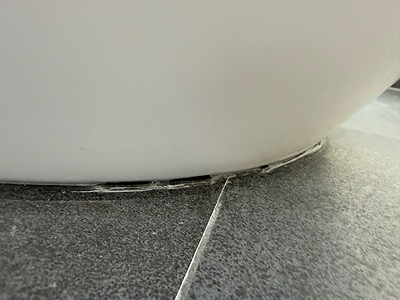
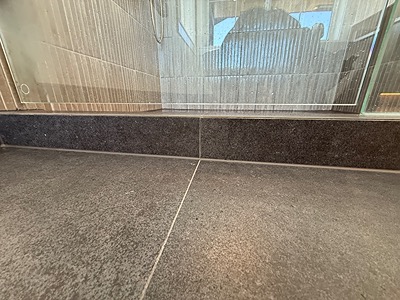
37) Gaps, no caulk, or substandard caulking were found between the bathtub and the floor at location(s) #C. Water may penetrate these areas and cause damage. Recommend that a qualified person re-caulk or install caulking as necessary.
Photo 37-1
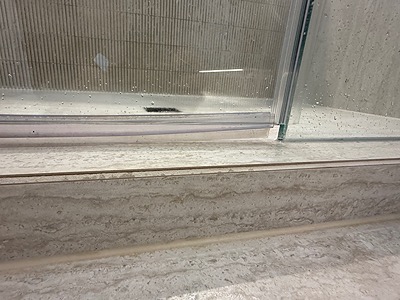
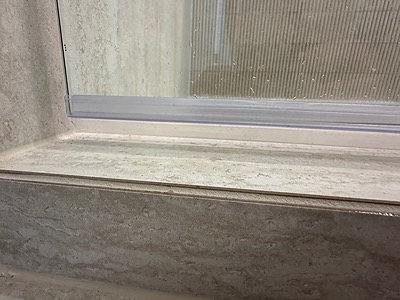
38) Water leaked from gaps at the shower door at location(s) #A and B when the shower was operated. Recommend that a qualified person repair as necessary.
Photo 38-1 Photo 38-2
Photo 38-3
Interior, Doors and Windows
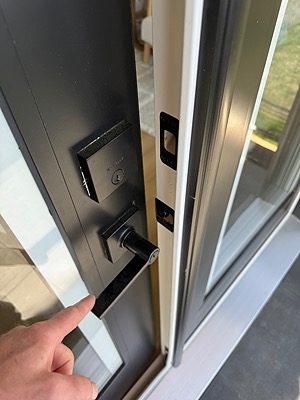
39) One or more entry doors wouldn't latch when closed. This is a security concern if no deadbolt is installed. A qualified person should repair as necessary.
Photo 39-1
40) One or more windows that were designed to open and close were difficult to open and close. Recommend that a qualified person repair windows as necessary so they open and close easily.
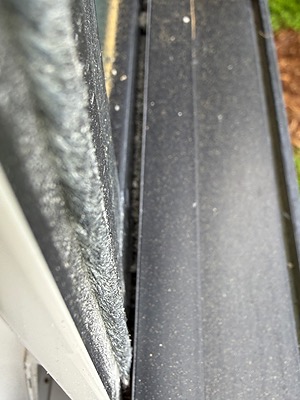
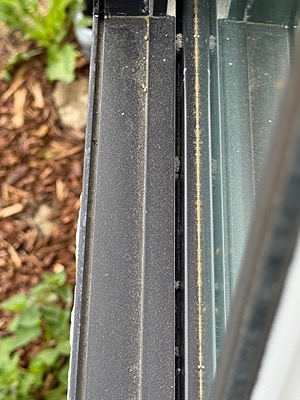
Grout granules from the Masonry veneer siding are stuck in the NE bedroom windows making it very difficult to open and close and is damaging the material. Suggest qualified contractor to remove, clean and inspect window casings for damage and replace if necessary.
Photo 40-1 Photo 40-2
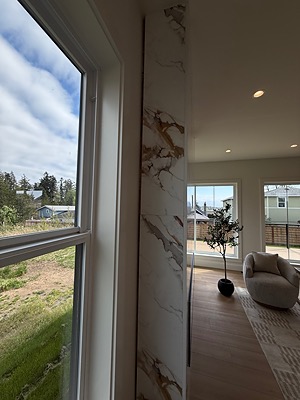
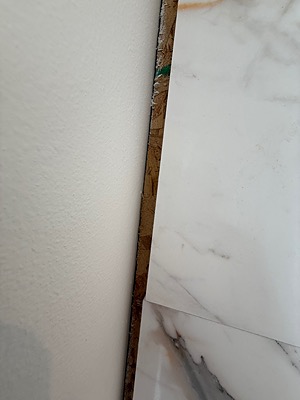
41) Substandard installation of Marble fireplace covering was found. Gaps between the wall and marble are noticeable and is a cosmetic defect. Suggest a qualified contractor seal the joint between wall and marble on both sides for aesthetics.
Photo 41-1 Photo 41-2
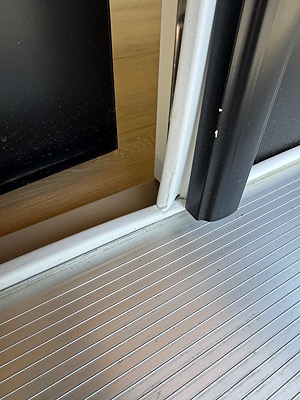
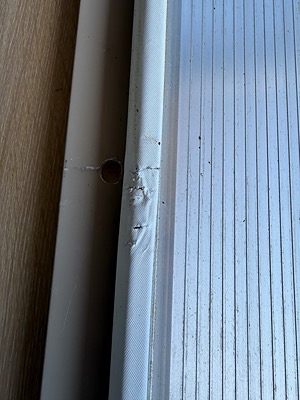
42) Weatherstripping around one or more exterior doors was damaged and/or loose. Water may enter the building, or energy efficiency may be reduced. Recommend that a qualified person repair or replace weatherstripping as necessary.




 One or more hornet, bee or wasp nests were found at the building exterior. These can pose a safety hazard. A qualified person should remove nests or exterminate as necessary.
 One or more back deck pavers unstable due to missing or substandard bracing, or lack of attachment to sub structure. This is a safety hazard since severe movement may cause a person to trip or fall. A qualified contractor should repair as necessary.
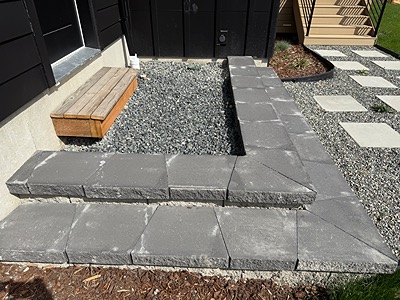
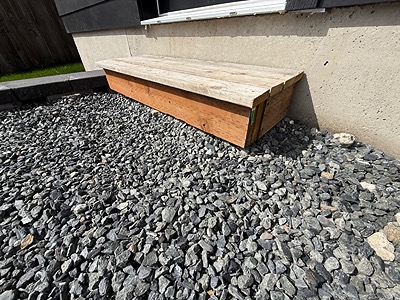
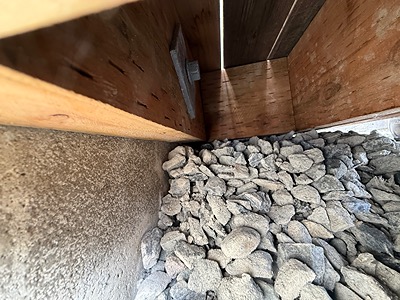
 Guardrails at one or more locations with drop-offs higher than 30 inches were loose and/or missing components, and pose a fall hazard. Recommend that a qualified person repair guardrails as necessary.
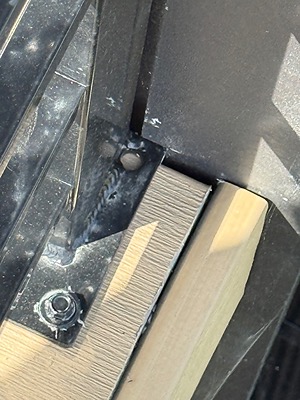
 One or more windows or doors were installed with no "drip cap" or "Z" flashings installed above them. Better building practices call for such flashings, which greatly reduce the chance of leaks above windows and doors. Without this flashing, caulk and paint must be maintained or water can enter the wall structure and cause rot and possible structural damage. Depending on the exposure (e.g. roof overhang, height of exterior wall, direction of prevailing rain) this may or may not be an issue. The client should monitor these areas in the future and maintain caulk and paint as necessary. Consult with a qualified contractor about installing flashings where needed, and per standard building practices. Note that when trim or siding is removed to install flashing, damaged wood may be found and additional repairs may be needed.
 The flow from the sink's hot and/or cold water supply was low or inoperable. Recommend that a qualified person evaluate and repair as necessary. Shut-off valves may be partially or fully closed. Note that the inspector does not operate shut-off valves. If repairs are needed, a qualified plumber should make them.
 Substandard installation of Marble fireplace covering was found. Gaps between the wall and marble are noticeable and is a cosmetic defect. Suggest a qualified contractor seal the joint between wall and marble on both sides for aesthetics.