
Wagner's Home Inspections
645 Wadley St
Greenville GA 30222
Greenville GA 30222
Inspector: Dane Wagner
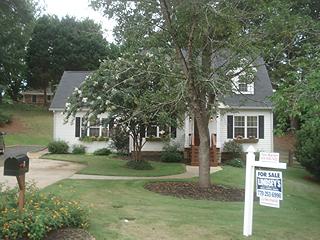
Summary
Unofficial version!
| Client(s): | Janie Westerman |
| Property address: | 31 Mansour Cir Newnan GA 30263-1507 |
| Inspection date: | Wednesday, July 22, 2026 |
This report published on Wednesday, July 22, 2026 3:07:13 PM EDT
This report is the exclusive property of this inspection company and the client(s) listed in the report title. Use of this report by any unauthorized persons is prohibited.
 | Safety | Poses a safety hazard |
 | Repair/Replace | Recommend repairing or replacing |
 | Repair/Maintain | Recommend repair and/or maintenance |
 | Minor Defect | Correction likely involves only a minor expense |
 | Maintain | Recommend ongoing maintenance |
 | Evaluate | Recommend evaluation by a specialist |
 | Monitor | Recommend monitoring in the future |
 | Serviceable | Item or component is in serviceable condition |
 | Comment | For your information |
1) 
 Light microbial growths were found at one or more locations in the crawl space. It is beyond the scope of this inspection to identify what substance or organism this staining is. However such staining is normally caused by excessively moist conditions, which in turn can be caused by plumbing or building envelope leaks and/or substandard ventilation. These conducive conditions should be corrected before making any attempts to remove or correct the staining. Normally affected materials such as drywall are removed, enclosed affected spaces are allowed to dry thoroughly, a mildewcide may be applied, and only then is drywall reinstalled. For evaluation and possible mitigation, consult with a qualified industrial hygienist or mold/moisture mitigation specialist. For more information, visit:
https://www.reporthost.com/?MOLDCDC
https://www.reporthost.com/?MOLDEPA
Light microbial growths were found at one or more locations in the crawl space. It is beyond the scope of this inspection to identify what substance or organism this staining is. However such staining is normally caused by excessively moist conditions, which in turn can be caused by plumbing or building envelope leaks and/or substandard ventilation. These conducive conditions should be corrected before making any attempts to remove or correct the staining. Normally affected materials such as drywall are removed, enclosed affected spaces are allowed to dry thoroughly, a mildewcide may be applied, and only then is drywall reinstalled. For evaluation and possible mitigation, consult with a qualified industrial hygienist or mold/moisture mitigation specialist. For more information, visit:https://www.reporthost.com/?MOLDCDC
https://www.reporthost.com/?MOLDEPA
3) 
 Guardrails at one or more locations had gaps that were too large. This poses a safety hazard for children (e.g. falling, getting stuck in railing). Guardrails should not have gaps or voids that allow passage of a sphere equal to or greater than 4 inches in diameter, or 6 inches in diameter at triangular spaces between stair edges and guardrails. At a minimum, the client should be aware of this hazard. Recommend that a qualified contractor repair or replace guardrails per standard building practices.
4) Cracks, holes, settlement, heaving and/or deterioration resulting in trip hazards were found in the driveway, For safety reasons, recommend that a qualified contractor repair as necessary.
Cracks, holes, settlement, heaving and/or deterioration resulting in trip hazards were found in the driveway, For safety reasons, recommend that a qualified contractor repair as necessary.
5) Some nails securing decking boards were loose and were not flush with the surfaces of boards. Boards are more likely to loosen and warp. This may pose a safety hazard to those with bare feet. Recommend that a qualified person repair as necessary. For example, by replacing nails or installing screws. Note that existing nails that are simply pounded back in will be likely to loosen again. See photo.
Some nails securing decking boards were loose and were not flush with the surfaces of boards. Boards are more likely to loosen and warp. This may pose a safety hazard to those with bare feet. Recommend that a qualified person repair as necessary. For example, by replacing nails or installing screws. Note that existing nails that are simply pounded back in will be likely to loosen again. See photo.
6) One or more decking boards were loose. In some cases this may pose a trip hazard. Recommend that a qualified person repair as necessary.
One or more decking boards were loose. In some cases this may pose a trip hazard. Recommend that a qualified person repair as necessary.
10) Some sections of siding and/or trim were loose and/or damaged. Recommend that a qualified person repair, replace or install siding or trim as necessary.
Some sections of siding and/or trim were loose and/or damaged. Recommend that a qualified person repair, replace or install siding or trim as necessary.
11) Soil was in contact with or less than 6 inches from siding or trim. Regardless of what material is used for siding, it should not be in contact with the soil. If made of wood, siding or trim will eventually rot. For other materials, ground or surface water can infiltrate siding or trim and cause damage to the wall structure. Wood-destroying insects are likely to infest and damage the wall structure. This is a conducive condition for wood-destroying organisms. Recommend grading or removing soil as necessary to maintain a 6-inch clearance. Note that damage from fungal rot and/or insects may be found when soil is removed, and repairs may be necessary.
Soil was in contact with or less than 6 inches from siding or trim. Regardless of what material is used for siding, it should not be in contact with the soil. If made of wood, siding or trim will eventually rot. For other materials, ground or surface water can infiltrate siding or trim and cause damage to the wall structure. Wood-destroying insects are likely to infest and damage the wall structure. This is a conducive condition for wood-destroying organisms. Recommend grading or removing soil as necessary to maintain a 6-inch clearance. Note that damage from fungal rot and/or insects may be found when soil is removed, and repairs may be necessary.
12) One or more planters were attached to the building exterior. This can result in high levels of moisture at the building exterior near planters. It is a conducive condition for wood-destroying organisms. Recommend removing planters, or repairing so there is a gap of at least 2 inches between planters and the building exterior for better airflow and to allow building exteriors to dry quickly.
One or more planters were attached to the building exterior. This can result in high levels of moisture at the building exterior near planters. It is a conducive condition for wood-destroying organisms. Recommend removing planters, or repairing so there is a gap of at least 2 inches between planters and the building exterior for better airflow and to allow building exteriors to dry quickly.
13) One or more holes or gaps were found in siding or trim. Vermin, insects or water may enter the structure. Recommend that a qualified person repair as necessary.
One or more holes or gaps were found in siding or trim. Vermin, insects or water may enter the structure. Recommend that a qualified person repair as necessary.
14) One or more minor cracks (1/8 inch or less) were found in the foundation. These didn't appear to be a structural concern, but recommend sealing them to prevent water infiltration and monitor them in the future. Numerous products exist to seal such cracks including hydraulic cement, non-shrinking grout, resilient caulks and epoxy sealants.
One or more minor cracks (1/8 inch or less) were found in the foundation. These didn't appear to be a structural concern, but recommend sealing them to prevent water infiltration and monitor them in the future. Numerous products exist to seal such cracks including hydraulic cement, non-shrinking grout, resilient caulks and epoxy sealants.
15) One or more holes or gaps were found in the foundation. Vermin may enter the building substructure as a result. Recommend that a qualified person repair as necessary.
One or more holes or gaps were found in the foundation. Vermin may enter the building substructure as a result. Recommend that a qualified person repair as necessary.
16)  The dryer vent is protruding from the rear of the house. Generally these units are installed tight to the wall.
17)  Vegetation such as trees, shrubs and/or vines was in contact with or close to the building exterior. Vegetation can serve as a pathway for wood-destroying insects and can retain moisture against the exterior after it rains. This is a conducive condition for wood-destroying organisms. Recommend pruning, moving or removing vegetation as necessary to maintain at least 6 inches of space between it and the building exterior. A 1-foot clearance is better.
18) Caulk was deteriorated or missing in some areas. For example, trim junctions and/or around doors. Recommend that a qualified person renew or install caulk as necessary. Where gaps are wider than 1/4 inch, an appropriate material other than caulk should be used. For more information, visit:
https://www.reporthost.com/?CAULK
Caulk was deteriorated or missing in some areas. For example, trim junctions and/or around doors. Recommend that a qualified person renew or install caulk as necessary. Where gaps are wider than 1/4 inch, an appropriate material other than caulk should be used. For more information, visit:https://www.reporthost.com/?CAULK
19) Under-floor insulation was falling down and/or missing in some areas. This may result in reduced energy efficiency. Recommend that a qualified person repair or replace insulation as necessary.
Under-floor insulation was falling down and/or missing in some areas. This may result in reduced energy efficiency. Recommend that a qualified person repair or replace insulation as necessary.
20) The screens for one or more crawl space vents were damaged. Vermin or pets can enter the crawl space and nest, die and/or leave feces and urine. Vermin often damage under-floor insulation too. Recommend that a qualified person install or replace screens where necessary using 1/8-inch to 1/4-inch wire mesh.
The screens for one or more crawl space vents were damaged. Vermin or pets can enter the crawl space and nest, die and/or leave feces and urine. Vermin often damage under-floor insulation too. Recommend that a qualified person install or replace screens where necessary using 1/8-inch to 1/4-inch wire mesh.
21) Cellulose material such as scrap wood was found in the crawl space. This is a conducive condition for wood-destroying organisms. Recommend removing all cellulose-based debris or stored items.
Cellulose material such as scrap wood was found in the crawl space. This is a conducive condition for wood-destroying organisms. Recommend removing all cellulose-based debris or stored items.
24) One or more gutters had a substandard slope so that water accumulates in them rather than draining through the downspouts. This can cause gutters to overflow, especially when debris such as leaves or needles has accumulated in them. Rainwater can come in contact with the building exterior or accumulate around the foundation as a result. This is a conducive condition for wood-destroying organisms. Recommend that a qualified person repair as necessary. For example, by correcting the slope in gutters or installing additional downspouts and extensions.
One or more gutters had a substandard slope so that water accumulates in them rather than draining through the downspouts. This can cause gutters to overflow, especially when debris such as leaves or needles has accumulated in them. Rainwater can come in contact with the building exterior or accumulate around the foundation as a result. This is a conducive condition for wood-destroying organisms. Recommend that a qualified person repair as necessary. For example, by correcting the slope in gutters or installing additional downspouts and extensions.
25) Extensions such as splash blocks or drain pipes for one or more downspouts were missing and/or misaligned. Water can accumulate around the building foundation or inside crawl spaces or basements as a result. Recommend that a qualified person install, replace or repair extensions as necessary so rainwater drains away from the structure.
Extensions such as splash blocks or drain pipes for one or more downspouts were missing and/or misaligned. Water can accumulate around the building foundation or inside crawl spaces or basements as a result. Recommend that a qualified person install, replace or repair extensions as necessary so rainwater drains away from the structure.
26) One or more roofing nails weren't fully seated and shingles were lifting. The nails may have loosened, or were not pounded in fully when installed. Shingles are likely to be wind damaged, and leaks can occur as a result. This is a conducive condition for wood-destroying organisms. Recommend that a qualified contractor repair as necessary. For example, by replacing shingles.
One or more roofing nails weren't fully seated and shingles were lifting. The nails may have loosened, or were not pounded in fully when installed. Shingles are likely to be wind damaged, and leaks can occur as a result. This is a conducive condition for wood-destroying organisms. Recommend that a qualified contractor repair as necessary. For example, by replacing shingles.
27) One or more downspouts were loose. Rainwater can come in contact with the building exterior or accumulate around the building foundation as a result. This is a conducive condition for wood-destroying organisms. Recommend that a qualified person repair as necessary.
One or more downspouts were loose. Rainwater can come in contact with the building exterior or accumulate around the building foundation as a result. This is a conducive condition for wood-destroying organisms. Recommend that a qualified person repair as necessary.
28) Nail heads were exposed at one or more shingles. More than just a few exposed nail heads may indicate a substandard roof installation. Recommend applying an approved sealant over exposed nail heads now and as necessary in the future to prevent leaks.
Nail heads were exposed at one or more shingles. More than just a few exposed nail heads may indicate a substandard roof installation. Recommend applying an approved sealant over exposed nail heads now and as necessary in the future to prevent leaks.
29) One or more recessed lights were installed in the attic and were in contact with insulation. The inspector was unable to find a label or markings that indicated that these lights are designed to be in contact with insulation. If lights are not "IC" rated then this is a fire hazard. Recommend further evaluation by a qualified contractor to determine if these lights are rated for contact with insulation. If they aren't, or if their rating can't be determined, then recommend that a qualified person make permanent repairs as necessary. For example, by installing shields around lights or moving insulation.
One or more recessed lights were installed in the attic and were in contact with insulation. The inspector was unable to find a label or markings that indicated that these lights are designed to be in contact with insulation. If lights are not "IC" rated then this is a fire hazard. Recommend further evaluation by a qualified contractor to determine if these lights are rated for contact with insulation. If they aren't, or if their rating can't be determined, then recommend that a qualified person make permanent repairs as necessary. For example, by installing shields around lights or moving insulation.
30) One or more attic access hatches or doors were not insulated, or had substandard insulation. Recommend installing insulation as necessary and per current standards at hatches or doors for better energy efficiency. For more information, visit:
https://www.reporthost.com/?ATTACC
One or more attic access hatches or doors were not insulated, or had substandard insulation. Recommend installing insulation as necessary and per current standards at hatches or doors for better energy efficiency. For more information, visit:https://www.reporthost.com/?ATTACC
31) One or more attic access hatches or doors were not insulated, or had substandard insulation. Weatherstripping was also missing or substandard. Recommend installing weatherstripping and insulation per current standards at hatches or doors for better energy efficiency. For more information, visit:
https://www.reporthost.com/?ATTACC
One or more attic access hatches or doors were not insulated, or had substandard insulation. Weatherstripping was also missing or substandard. Recommend installing weatherstripping and insulation per current standards at hatches or doors for better energy efficiency. For more information, visit:https://www.reporthost.com/?ATTACC
32) The ceiling insulation in one or more areas of the attic was compacted or uneven. Heating and cooling costs may be higher due to reduced energy efficiency. Recommend that a qualified person repair, replace or install insulation as necessary and per standard building practices (typically R-38).
The nearby insulation needs to be pulled back into this area.
The ceiling insulation in one or more areas of the attic was compacted or uneven. Heating and cooling costs may be higher due to reduced energy efficiency. Recommend that a qualified person repair, replace or install insulation as necessary and per standard building practices (typically R-38).The nearby insulation needs to be pulled back into this area.
33) One or more attic or roof vent screens were missing, deteriorated or substandard. Recommend that a qualified person replace or repair screens as necessary to prevent birds or vermin from entering the attic.
One or more attic or roof vent screens were missing, deteriorated or substandard. Recommend that a qualified person replace or repair screens as necessary to prevent birds or vermin from entering the attic.
35) One or more ground fault circuit interrupter (GFCI) devices protecting receptacles at the exterior wouldn't reset when tripped. This is a potential shock hazard. Recommend that a qualified electrician evaluate and repair as necessary.
One or more ground fault circuit interrupter (GFCI) devices protecting receptacles at the exterior wouldn't reset when tripped. This is a potential shock hazard. Recommend that a qualified electrician evaluate and repair as necessary.
36) One or more electric receptacles at the laundry area had no visible ground fault circuit interrupter (GFCI) protection, or the inspector was unable to determine if GFCI protection was present. If not GFCI-protected, receptacles in wet areas pose a shock hazard. Recommend that a qualified electrician evaluate and install GFCI protection if necessary and per standard building practices. General guidelines for GFCI-protected receptacles include the following locations:
https://www.reporthost.com/?GFCI
One or more electric receptacles at the laundry area had no visible ground fault circuit interrupter (GFCI) protection, or the inspector was unable to determine if GFCI protection was present. If not GFCI-protected, receptacles in wet areas pose a shock hazard. Recommend that a qualified electrician evaluate and install GFCI protection if necessary and per standard building practices. General guidelines for GFCI-protected receptacles include the following locations:- Outdoors (since 1973)
- Bathrooms (since 1975)
- Garages (since 1978)
- Kitchens (since 1987)
- Crawl spaces and unfinished basements (since 1990)
- Wet bar sinks (since 1993)
- Laundry and utility sinks (since 2005)
https://www.reporthost.com/?GFCI
37) Neutral wires were doubled or bundled together under the same lug on the neutral bus bar in panel(s) #A. This is a potential safety hazard in the event that one of the circuits needs to be isolated during servicing. For one neutral to be disconnected, other neutrals from energized circuits sharing the same lug will be loosened. Power surges may result on the energized circuits and result in damage or fire. Also, multiple wires under the same lug may not be secure, resulting in loose wires, arcing, sparks and fire. Recommend that a qualified electrician repair per standard building practices. For more information, visit:
https://www.reporthost.com/?DTNB
Neutral wires were doubled or bundled together under the same lug on the neutral bus bar in panel(s) #A. This is a potential safety hazard in the event that one of the circuits needs to be isolated during servicing. For one neutral to be disconnected, other neutrals from energized circuits sharing the same lug will be loosened. Power surges may result on the energized circuits and result in damage or fire. Also, multiple wires under the same lug may not be secure, resulting in loose wires, arcing, sparks and fire. Recommend that a qualified electrician repair per standard building practices. For more information, visit:https://www.reporthost.com/?DTNB
38) One or more cover plates for switches, receptacles or junction boxes were missing or broken. These plates are intended to contain fire and prevent electric shock from occurring due to exposed wires. Recommend that a qualified person install cover plates where necessary.
One or more cover plates for switches, receptacles or junction boxes were missing or broken. These plates are intended to contain fire and prevent electric shock from occurring due to exposed wires. Recommend that a qualified person install cover plates where necessary.
39) One or more electric receptacles appeared to have no power. Recommend asking the property owner about this. Switches may need to be operated or GFCI/AFCI protection may need to be reset to make some receptacles energized. If necessary, recommend that a qualified electrician evaluate and repair.
One or more electric receptacles appeared to have no power. Recommend asking the property owner about this. Switches may need to be operated or GFCI/AFCI protection may need to be reset to make some receptacles energized. If necessary, recommend that a qualified electrician evaluate and repair.
44) Wiring for the water heater's power supply was exposed and subject to damage. Standard building practices call for non-metallic sheathed wiring to be protected with BX armored conduit to prevent damage. This is a potential safety hazard for shock. Recommend that a qualified contractor repair per standard building practices.
Wiring for the water heater's power supply was exposed and subject to damage. Standard building practices call for non-metallic sheathed wiring to be protected with BX armored conduit to prevent damage. This is a potential safety hazard for shock. Recommend that a qualified contractor repair per standard building practices.
45) The last service date of the forced air heating/cooling systems appeared to be more than 1 year ago, or the inspector was unable to determine the last service date. Ask the property owner when it was last serviced. If unable to determine the last service date, or if this system was serviced more than 1 year ago, recommend that a qualified HVAC contractor service this system and make repairs if necessary. Because this system has a compressor and refrigerant system, this servicing should be performed annually in the future. Any needed repairs noted in this report should be brought to the attention of the contractor when it's serviced.
The last service date of the forced air heating/cooling systems appeared to be more than 1 year ago, or the inspector was unable to determine the last service date. Ask the property owner when it was last serviced. If unable to determine the last service date, or if this system was serviced more than 1 year ago, recommend that a qualified HVAC contractor service this system and make repairs if necessary. Because this system has a compressor and refrigerant system, this servicing should be performed annually in the future. Any needed repairs noted in this report should be brought to the attention of the contractor when it's serviced.
46) Insulation on the heat pump or air conditioning condensing unit's refrigerant lines was deteriorated or missing in some areas. This may result in reduced efficiency and increased energy costs. Recommend that a qualified person replace or install insulation as necessary.
Insulation on the heat pump or air conditioning condensing unit's refrigerant lines was deteriorated or missing in some areas. This may result in reduced efficiency and increased energy costs. Recommend that a qualified person replace or install insulation as necessary.
47) There is water in the hvac pump pan in the crawlspace. Recommend a qualified contractor evaluate.
There is water in the hvac pump pan in the crawlspace. Recommend a qualified contractor evaluate.
48) Recommend that home buyers replace or clean HVAC filters upon taking occupancy depending on the type of filters installed. Regardless of the type, recommend checking filters monthly in the future and replacing or cleaning them as necessary. How frequently they need replacing or cleaning depends on the type and quality of the filter, how the system is configured (e.g. always on vs. "Auto"), and on environmental factors (e.g. pets, smoking, frequency of house cleaning, number of occupants, the season).
Recommend that home buyers replace or clean HVAC filters upon taking occupancy depending on the type of filters installed. Regardless of the type, recommend checking filters monthly in the future and replacing or cleaning them as necessary. How frequently they need replacing or cleaning depends on the type and quality of the filter, how the system is configured (e.g. always on vs. "Auto"), and on environmental factors (e.g. pets, smoking, frequency of house cleaning, number of occupants, the season).
50) The range could tip forward. An anti-tip bracket may not be installed. This is a potential safety hazard since the range can tip forward when weight is applied to the open door, such as when a small child climbs on it or if heavy objects are dropped on it. Anti-tip brackets have been sold with all free-standing ranges since 1985. Recommend installing an anti-tip bracket to eliminate this safety hazard. For more information, visit:
https://www.reporthost.com/?ATB
The range could tip forward. An anti-tip bracket may not be installed. This is a potential safety hazard since the range can tip forward when weight is applied to the open door, such as when a small child climbs on it or if heavy objects are dropped on it. Anti-tip brackets have been sold with all free-standing ranges since 1985. Recommend installing an anti-tip bracket to eliminate this safety hazard. For more information, visit:https://www.reporthost.com/?ATB
51) Gaps, no caulk, or substandard caulking were found between countertops and backsplashes. Water may penetrate these areas and cause damage. Recommend that a qualified person repair as necessary. For example, by installing caulk.
Gaps, no caulk, or substandard caulking were found between countertops and backsplashes. Water may penetrate these areas and cause damage. Recommend that a qualified person repair as necessary. For example, by installing caulk.
53) The sink at location(s) #A drained slowly. Recommend clearing drain and/or having a qualified plumber repair if necessary.
The sink at location(s) #A drained slowly. Recommend clearing drain and/or having a qualified plumber repair if necessary.
54) Tile and/or grout in the shower enclosure at location(s) #A were deteriorated (e.g. loose or cracked tiles, missing grout) or substandard. Water can damage the wall structure as a result. Recommend that a qualified contractor repair as necessary.
Cracked grout and a small area of missing grout
Tile and/or grout in the shower enclosure at location(s) #A were deteriorated (e.g. loose or cracked tiles, missing grout) or substandard. Water can damage the wall structure as a result. Recommend that a qualified contractor repair as necessary.Cracked grout and a small area of missing grout
55) The toilet at bathroom "C" is leaking at the tank to bowl bolts. Recommend replacing these bolts.
The toilet at bathroom "C" is leaking at the tank to bowl bolts. Recommend replacing these bolts.
56) The bathtub at location(s) #A drained slowly. Recommend clearing drain and/or that a qualified plumber repair if necessary.
The bathtub at location(s) #A drained slowly. Recommend clearing drain and/or that a qualified plumber repair if necessary.
57) Some exterior door hardware, including strike plate screws were missing. Recommend that a qualified person repair or replace as necessary.
Rear porch entry door
Some exterior door hardware, including strike plate screws were missing. Recommend that a qualified person repair or replace as necessary.Rear porch entry door
58) One or more interior doors were damaged. Recommend that a qualified person replace or repair doors as necessary.
Master closet door
One or more interior doors were damaged. Recommend that a qualified person replace or repair doors as necessary.Master closet door
59) One or more interior doors were sticking in the door jamb and were difficult to operate. Recommend that a qualified person repair as necessary. For example, by trimming doors.
One or more interior doors were sticking in the door jamb and were difficult to operate. Recommend that a qualified person repair as necessary. For example, by trimming doors.
60) Tile, stone and/or grout in the flooring in one or more areas was deteriorated (e.g. cracked and/or missing grout) or substandard. If in a wet area, water can damage the sub-floor. Recommend that a qualified contractor repair as necessary.
Tile, stone and/or grout in the flooring in one or more areas was deteriorated (e.g. cracked and/or missing grout) or substandard. If in a wet area, water can damage the sub-floor. Recommend that a qualified contractor repair as necessary.
61) Minor cracks, nail pops and/or blemishes were found in walls and/or ceilings in one or more areas. Cracks and nail pops are common, are often caused by lumber shrinkage or minor settlement, and can be more or less noticeable depending on changes in humidity. They did not appear to be a structural concern, but the client may wish to repair these for aesthetic reasons. For recurring cracks, consider using an elastic crack covering product:
https://www.reporthost.com/?ECC
Minor cracks, nail pops and/or blemishes were found in walls and/or ceilings in one or more areas. Cracks and nail pops are common, are often caused by lumber shrinkage or minor settlement, and can be more or less noticeable depending on changes in humidity. They did not appear to be a structural concern, but the client may wish to repair these for aesthetic reasons. For recurring cracks, consider using an elastic crack covering product:https://www.reporthost.com/?ECC
62) There are a few areas of lightly marred laminate flooring on the second floor.
There are a few areas of lightly marred laminate flooring on the second floor.