
KS Home Inspection
(323) 243-3366
2312 Manhattan Beach Blvd
Gardena CA 90249-4631
Gardena CA 90249-4631
Inspector: Ken Steverson
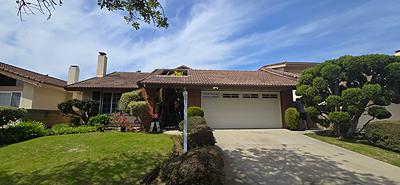
Summary
Unofficial version!
| Client(s): | Mr & Mrs Buyers |
| Property address: | 100 S Main St Los Angeles CA 90012-3712 |
| Inspection date: | Monday, January 1, 2001 |
This report published on Monday, March 16, 2026 12:47:32 PM PDT
This report is the exclusive property of this inspection company and the client(s) listed in the report title. Use of this report by any unauthorized persons is prohibited.
 | Safety | Poses a safety hazard |
 | Repair/Replace | Recommend repairing or replacing |
 | Repair/Maintain | Recommend repair and/or maintenance |
 | Maintain | Recommend ongoing maintenance |
 | Evaluate | Recommend evaluation by a specialist |
 | Serviceable | Item or component is in serviceable condition |
 | Comment | For your information |
1)  Evidence of rodent infestation was found in the form of feces in the attic. Consult with the property owner about this. A qualified person should make repairs to seal openings in the structure, set traps, and clean rodent waste as necessary. Recommend following guidelines in these Center for Disease Control articles:
http://www.reporthost.com/?SEALUP
http://www.reporthost.com/?TRAPUP
http://www.reporthost.com/?CLEANUP
Evidence of rodent infestation was found in the form of feces in the attic. Consult with the property owner about this. A qualified person should make repairs to seal openings in the structure, set traps, and clean rodent waste as necessary. Recommend following guidelines in these Center for Disease Control articles:http://www.reporthost.com/?SEALUP
http://www.reporthost.com/?TRAPUP
http://www.reporthost.com/?CLEANUP
2)  One or more decks or porches were unstable due to missing or substandard bracing, or lack of attachment to main structure. This is a safety hazard since severe movement may cause the decks or porches to collapse. A qualified contractor should repair as necessary.
One or more decks or porches were unstable due to missing or substandard bracing, or lack of attachment to main structure. This is a safety hazard since severe movement may cause the decks or porches to collapse. A qualified contractor should repair as necessary.
3)  A trip hazard was noted at the rear of the structure. For safety reasons, recommend that a qualified contractor repair as necessary to eliminate trip hazards.
A trip hazard was noted at the rear of the structure. For safety reasons, recommend that a qualified contractor repair as necessary to eliminate trip hazards.
4) 
 Wood dividers in the cement patio at the rear of the structure shows signs of wood destroying insects. Recommend evaluation and replacement.
Wood dividers in the cement patio at the rear of the structure shows signs of wood destroying insects. Recommend evaluation and replacement.
5) Screen for the garage vent has a hole. Recommend replacing.
Screen for the garage vent has a hole. Recommend replacing.
6) Controls for the spa were located behind shrubbery at the rear of the structure. The blower was operational. The inspector was not able to operate the heater for the spa. Recommend evaluation and repair if necessary, by a qualified spa professional.
Controls for the spa were located behind shrubbery at the rear of the structure. The blower was operational. The inspector was not able to operate the heater for the spa. Recommend evaluation and repair if necessary, by a qualified spa professional.
7)  Vegetation such as trees, shrubs and/or vines was in contact with or close to the building exterior. Vegetation can serve as a pathway for wood-destroying insects and can retain moisture against the exterior after it rains. This is a conducive condition for wood-destroying organisms. Recommend pruning, moving or removing vegetation as necessary to maintain at least 6 inches of space between it and the building exterior. A 1-foot clearance is better.
Vegetation such as trees, shrubs and/or vines was in contact with or close to the building exterior. Vegetation can serve as a pathway for wood-destroying insects and can retain moisture against the exterior after it rains. This is a conducive condition for wood-destroying organisms. Recommend pruning, moving or removing vegetation as necessary to maintain at least 6 inches of space between it and the building exterior. A 1-foot clearance is better.
11) Attic gable vent screen is missing. Recommend relacing.
Attic gable vent screen is missing. Recommend relacing.
16) One or more slots where circuit breakers are normally installed were open in panel(s) #A. Energized equipment was exposed and is a shock hazard. Recommend that a qualified person install closure covers where missing.
One or more slots where circuit breakers are normally installed were open in panel(s) #A. Energized equipment was exposed and is a shock hazard. Recommend that a qualified person install closure covers where missing.
17) The labels for the breakers were missing, faded or illegible at the time of inspection. Recommend labeling breakers by a qualified electrician.
The labels for the breakers were missing, faded or illegible at the time of inspection. Recommend labeling breakers by a qualified electrician.
21) The water supply pressure was greater than 80 pounds per square inch (PSI). Pressures above 80 PSI may void warranties for some appliances such as water heaters or washing machines. Flexible supply lines to washing machines are likely to burst with higher pressures. 40-80 PSI is considered the normal range for water pressure in a home, and most plumbers recommend 50-60 PSI . Typically, the pressure cannot be regulated at the water meter. Recommend that a qualified plumber evaluate and make modifications to reduce the pressure to below 80 PSI . Installing a pressure reducing valve on the main service pipe is a common solution to this problem. If one exists, then it should be adjusted, repaired or replaced as necessary to maintain lower pressures. Note that installing a pressure reducing valve creates a "closed system," which may require installing an expansion tank at the water heater if one is not already installed.
The water supply pressure was greater than 80 pounds per square inch (PSI). Pressures above 80 PSI may void warranties for some appliances such as water heaters or washing machines. Flexible supply lines to washing machines are likely to burst with higher pressures. 40-80 PSI is considered the normal range for water pressure in a home, and most plumbers recommend 50-60 PSI . Typically, the pressure cannot be regulated at the water meter. Recommend that a qualified plumber evaluate and make modifications to reduce the pressure to below 80 PSI . Installing a pressure reducing valve on the main service pipe is a common solution to this problem. If one exists, then it should be adjusted, repaired or replaced as necessary to maintain lower pressures. Note that installing a pressure reducing valve creates a "closed system," which may require installing an expansion tank at the water heater if one is not already installed.
22) Exterior rear faucet had no water flow at the time of inspection.
Exterior rear faucet had no water flow at the time of inspection.
27) The hot water temperature was greater than 120 degrees Fahrenheit. This is a safety hazard due to the risk of scalding. The thermostat should be adjusted so the water temperature doesn't exceed 120 degrees. If the water heater is powered by electricity, a qualified person should perform the adjustment, since covers that expose energized equipment normally need to be removed. For more information on scalding dangers, visit:
http://www.reporthost.com/?SCALD
The hot water temperature was greater than 120 degrees Fahrenheit. This is a safety hazard due to the risk of scalding. The thermostat should be adjusted so the water temperature doesn't exceed 120 degrees. If the water heater is powered by electricity, a qualified person should perform the adjustment, since covers that expose energized equipment normally need to be removed. For more information on scalding dangers, visit:http://www.reporthost.com/?SCALD
31) Older vents tubes were noted in the attic. Modern materials make these tubes more energy efficient. Recommend replacing the older vent tubes.
Older vents tubes were noted in the attic. Modern materials make these tubes more energy efficient. Recommend replacing the older vent tubes.
34) A converted gas burning fireplace was noted at inspection. The damper was operational with no damper clamp installed. Gas brining fireplaces emit Co2 and do not emit smoke. The damper clamp ensures that the Co2 can escape the chimney and not into the structure.
Front and rear fireplaces
A converted gas burning fireplace was noted at inspection. The damper was operational with no damper clamp installed. Gas brining fireplaces emit Co2 and do not emit smoke. The damper clamp ensures that the Co2 can escape the chimney and not into the structure.Front and rear fireplaces
35) Recommend installing glass doors on the fireplace to prevent drafting on windy days.
Recommend installing glass doors on the fireplace to prevent drafting on windy days.
37) The range could tip forward. An anti-tip bracket may not be installed. This is a potential safety hazard since the range can tip forward when weight is applied to the open door, such as when a small child climbs on it or if heavy objects are dropped on it. Anti-tip brackets have been sold with all free-standing ranges since 1985. Recommend installing an anti-tip bracket to eliminate this safety hazard. For more information, visit:
http://www.reporthost.com/?ATB
The range could tip forward. An anti-tip bracket may not be installed. This is a potential safety hazard since the range can tip forward when weight is applied to the open door, such as when a small child climbs on it or if heavy objects are dropped on it. Anti-tip brackets have been sold with all free-standing ranges since 1985. Recommend installing an anti-tip bracket to eliminate this safety hazard. For more information, visit:http://www.reporthost.com/?ATB
38) Cracked light cover was noted. Recommend replacing.
Cracked light cover was noted. Recommend replacing.
39) One or more cabinet drawers were difficult to open or close. Recommend that a qualified person repair as necessary.
One or more cabinet drawers were difficult to open or close. Recommend that a qualified person repair as necessary.
41) Shower controls in the master bathroom were not securely installed and held in place with duct tape. Recommend evaluation and repair.
Shower controls in the master bathroom were not securely installed and held in place with duct tape. Recommend evaluation and repair.
42) Light cover in the master bathroom shower was held in place with tape. Recommend properly securing the light cover.
Light cover in the master bathroom shower was held in place with tape. Recommend properly securing the light cover.
43) The sink at location(s) #B was cracked. Recommend that a qualified contractor replace the sink.
Master Bathroom
The sink at location(s) #B was cracked. Recommend that a qualified contractor replace the sink.Master Bathroom
44) Shower head in the full bathroom leaks when in use. Recommend repair.
Shower head in the full bathroom leaks when in use. Recommend repair.
45) Water was leaking at the sink faucet base or handles at location(s) #B. Recommend that a qualified plumber repair as necessary.
Water was leaking at the sink faucet base or handles at location(s) #B. Recommend that a qualified plumber repair as necessary.
46) Tile and/or grout in the shower enclosure at location(s) #B were deteriorated (e.g. loose or cracked tiles, missing grout) or substandard. Water can damage the wall structure as a result. Recommend that a qualified contractor repair as necessary.
Master Bathroom Shower
Tile and/or grout in the shower enclosure at location(s) #B were deteriorated (e.g. loose or cracked tiles, missing grout) or substandard. Water can damage the wall structure as a result. Recommend that a qualified contractor repair as necessary.Master Bathroom Shower
49) The Co2 alarm was installed too low. The alarm should be installed at nose level or higher.
The Co2 alarm was installed too low. The alarm should be installed at nose level or higher.
50) Evidence of slight water intrusion was noted at the living room window. Recommend evaluation and repair by a qualified contractor.
Evidence of slight water intrusion was noted at the living room window. Recommend evaluation and repair by a qualified contractor.
51) Cover plate in the den possibly for cable access was not attached to the wall. Recommend repair.
Cover plate in the den possibly for cable access was not attached to the wall. Recommend repair.
52) One or more interior doors wouldn't latch or were difficult to latch. Recommend that a qualified person repair as necessary. For example, by adjusting latch plates or locksets.
Hallway/office door
One or more interior doors wouldn't latch or were difficult to latch. Recommend that a qualified person repair as necessary. For example, by adjusting latch plates or locksets.Hallway/office door
53) Sun damage was noted in the dining room windowsill. Recommend repair/repainting this aera.
Sun damage was noted in the dining room windowsill. Recommend repair/repainting this aera.