
Acc SERVICES
437 Laurel Ln
Canton MI 48187-4592
Canton MI 48187-4592
Inspector: Christopher Sloan
Summary
| Client(s): | Dynell Porterfield |
| Property address: | 14263 Jackson St Taylor MI 48180-5392 |
| Inspection date: | Monday, January 11, 2021 |
This report published on Monday, January 11, 2021 9:37:18 PM EST
This report is the exclusive property of this inspection company and the client(s) listed in the report title. Use of this report by any unauthorized persons is prohibited.
 | Safety | Poses a safety hazard |
 | Repair/Replace | Recommend repairing or replacing |
 | Repair/Maintain | Recommend repair and/or maintenance |
 | Minor Defect | Correction likely involves only a minor expense |
 | Maintain | Recommend ongoing maintenance |
 | Evaluate | Recommend evaluation by a specialist |
 | Comment | For your information |
General Information
1) Structures built prior to the mid 1980s may contain lead and/or asbestos. Lead is commonly found in paint and in some plumbing components. The EPA does not recognize newer coats of paint as encapsulating older coats of lead-based paint. Asbestos is commonly found in various building materials such as insulation, siding, and/or floor and ceiling tiles. Laws were passed in 1978 to prohibit usage of lead and asbestos, but stocks of materials containing these substances remained in use for a number of years thereafter. Both lead and asbestos are known health hazards. Evaluating for the presence of lead and/or asbestos is beyond the scope of this inspection. Any mention of these materials in this report is made as a courtesy only, and meant to refer the client to a specialist. Consult with specialists as necessary, such as industrial hygienists, professional labs and/or abatement specialists for this type of evaluation. For information on lead, asbestos and other hazardous materials in homes, visit:
http://www.reporthost.com/?EPA
http://www.reporthost.com/?CPSC
http://www.reporthost.com/?CDC
Structures built prior to the mid 1980s may contain lead and/or asbestos. Lead is commonly found in paint and in some plumbing components. The EPA does not recognize newer coats of paint as encapsulating older coats of lead-based paint. Asbestos is commonly found in various building materials such as insulation, siding, and/or floor and ceiling tiles. Laws were passed in 1978 to prohibit usage of lead and asbestos, but stocks of materials containing these substances remained in use for a number of years thereafter. Both lead and asbestos are known health hazards. Evaluating for the presence of lead and/or asbestos is beyond the scope of this inspection. Any mention of these materials in this report is made as a courtesy only, and meant to refer the client to a specialist. Consult with specialists as necessary, such as industrial hygienists, professional labs and/or abatement specialists for this type of evaluation. For information on lead, asbestos and other hazardous materials in homes, visit:http://www.reporthost.com/?EPA
http://www.reporthost.com/?CPSC
http://www.reporthost.com/?CDC
2) The residential dwelling unit appeared to be part of a complex that is managed and maintained by a "Home Owners" or "Condo" association. This inspection is limited to a visual evaluation of the systems and components that are located within the dwelling unit inspected. The current condition of "Common Elements" are excluded from this inspection. Such elements include, but are not limited to:
The residential dwelling unit appeared to be part of a complex that is managed and maintained by a "Home Owners" or "Condo" association. This inspection is limited to a visual evaluation of the systems and components that are located within the dwelling unit inspected. The current condition of "Common Elements" are excluded from this inspection. Such elements include, but are not limited to:- The building site condition, structural stability, drainage systems and insulation
- All exterior surfaces, materials and structure
- All roof surfaces, materials and structure
- All attic spaces
- The building foundation, floor substructure and all spaces below, such as basements and/or crawl spaces
- All stairs, landings, porches, hallways, walks and balconies, elevators, utility metering, parking stalls/ports
- All decks, patios, pools, spas, recreational areas/equipment
- All common areas on the property
Exterior and Foundation
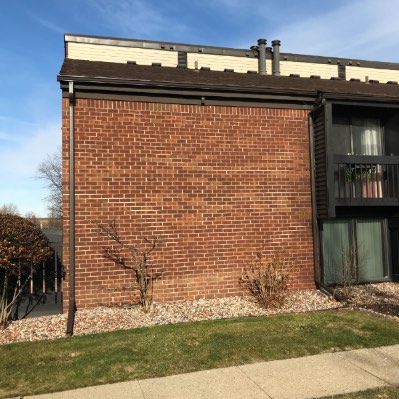
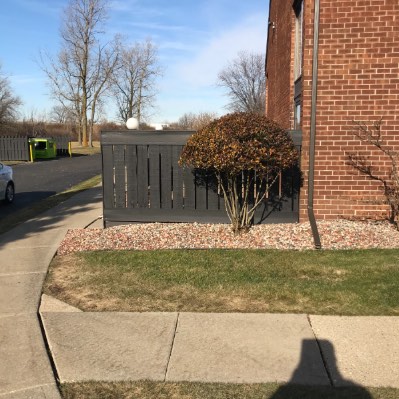
3) Vegetation such as trees, shrubs and/or vines was in contact with or close to the building exterior. Vegetation can serve as a pathway for wood-destroying insects and can retain moisture against the exterior after it rains. This is a conducive condition for wood-destroying organisms. Recommend pruning, moving or removing vegetation as necessary to maintain at least 6 inches of space between it and the building exterior. A 1-foot clearance is better.
Vegetation such as trees, shrubs and/or vines was in contact with or close to the building exterior. Vegetation can serve as a pathway for wood-destroying insects and can retain moisture against the exterior after it rains. This is a conducive condition for wood-destroying organisms. Recommend pruning, moving or removing vegetation as necessary to maintain at least 6 inches of space between it and the building exterior. A 1-foot clearance is better.
4) Trees were in contact with or were close to the building at one or more locations. Damage to the building can occur, especially during high winds, or may have already occurred (see other comments in this report). Recommend that a qualified tree service contractor or certified arborist remove trees as necessary to prevent damage to the building exterior.
Trees were in contact with or were close to the building at one or more locations. Damage to the building can occur, especially during high winds, or may have already occurred (see other comments in this report). Recommend that a qualified tree service contractor or certified arborist remove trees as necessary to prevent damage to the building exterior.
Electric
5) Branch circuit wiring installed in buildings built prior to the mid 1980s is typically rated for a maximum temperature of only 60 degrees Celsius. This includes non-metallic sheathed (Romex) wiring, and both BX and AC metal-clad flexible wiring. Knob and tube wiring, typically installed in homes built prior to 1950, may be rated for even lower maximum temperatures. Newer electric fixtures including lighting and fans typically require wiring rated for 90 degrees Celsius. Connecting newer fixtures to older, 60-degree-rated wiring is a potential fire hazard. Repairs for such conditions may involve replacing the last few feet of wiring to newer fixtures with new 90-degree-rated wire, and installing a junction box to join the old and new wiring.
It is beyond the scope of this inspection to determine if such incompatible components are installed, or to determine the extent to which they're installed. Based on the age of this building, the client should be aware of this safety hazard, both for existing fixtures and when planning to upgrade with newer fixtures. Consult with a qualified electrician for repairs as necessary.
Branch circuit wiring installed in buildings built prior to the mid 1980s is typically rated for a maximum temperature of only 60 degrees Celsius. This includes non-metallic sheathed (Romex) wiring, and both BX and AC metal-clad flexible wiring. Knob and tube wiring, typically installed in homes built prior to 1950, may be rated for even lower maximum temperatures. Newer electric fixtures including lighting and fans typically require wiring rated for 90 degrees Celsius. Connecting newer fixtures to older, 60-degree-rated wiring is a potential fire hazard. Repairs for such conditions may involve replacing the last few feet of wiring to newer fixtures with new 90-degree-rated wire, and installing a junction box to join the old and new wiring.It is beyond the scope of this inspection to determine if such incompatible components are installed, or to determine the extent to which they're installed. Based on the age of this building, the client should be aware of this safety hazard, both for existing fixtures and when planning to upgrade with newer fixtures. Consult with a qualified electrician for repairs as necessary.
6) The inspector was unable to open and evaluate panel(s) # because items were blocking access. The condition of these panel(s) is unknown and they are excluded from this inspection. Repairs may be needed. Recommend that a qualified person correct conditions, or that a qualified contractor make repairs if necessary so panels can be opened, and that a qualified person fully evaluate panel(s).
The inspector was unable to open and evaluate panel(s) # because items were blocking access. The condition of these panel(s) is unknown and they are excluded from this inspection. Repairs may be needed. Recommend that a qualified person correct conditions, or that a qualified contractor make repairs if necessary so panels can be opened, and that a qualified person fully evaluate panel(s).
Bathrooms, Laundry and Sinks
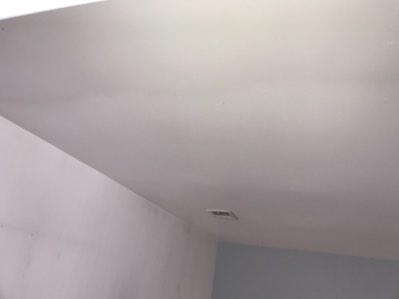
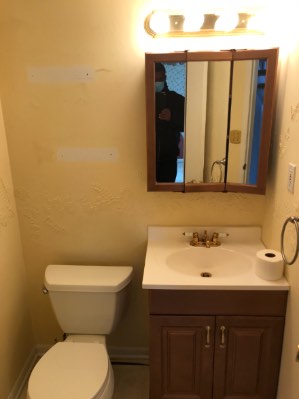
9) The exhaust fan at location(s) #A and B was . Moisture may accumulate and result in mold, bacteria or fungal growth. Recommend that a qualified person clean, repair or replace fans as necessary.
The exhaust fan at location(s) #A and B was . Moisture may accumulate and result in mold, bacteria or fungal growth. Recommend that a qualified person clean, repair or replace fans as necessary.
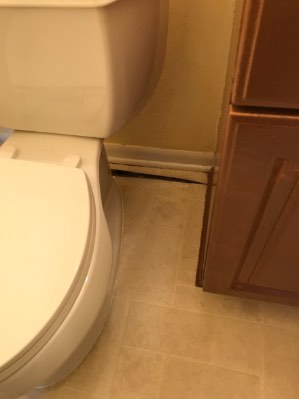
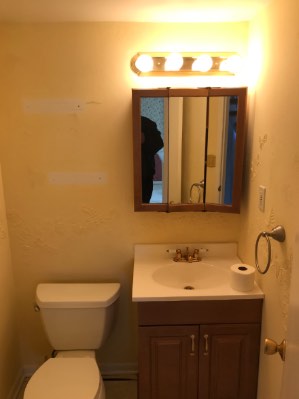
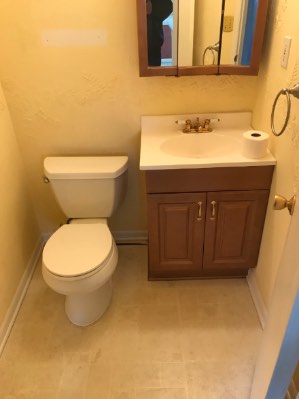
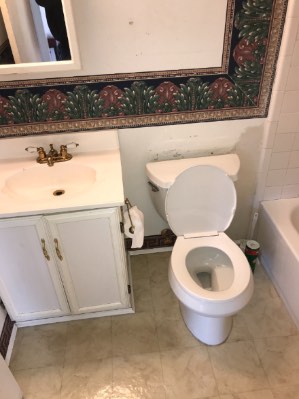
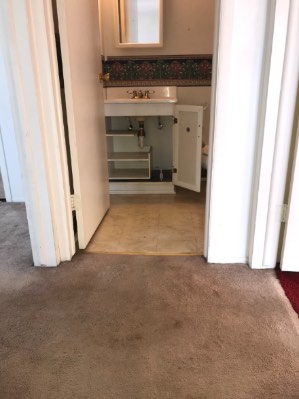
10) Vinyl flooring in bathroom at location(s) #B was loose and/or curling. Water can damage the the sub-floor as a result. Recommend that a qualified contractor replace or repair flooring as necessary.
Vinyl flooring in bathroom at location(s) #B was loose and/or curling. Water can damage the the sub-floor as a result. Recommend that a qualified contractor replace or repair flooring as necessary.
Interior, Doors and Windows
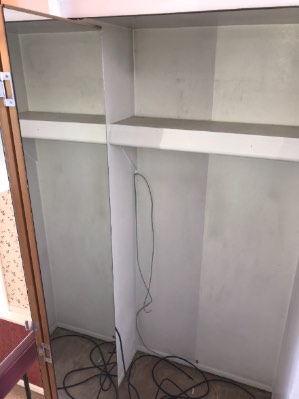
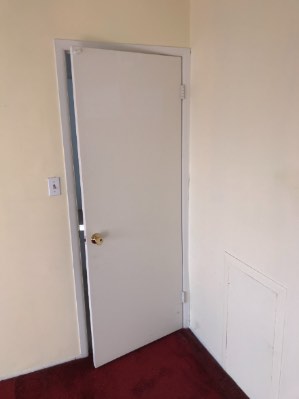
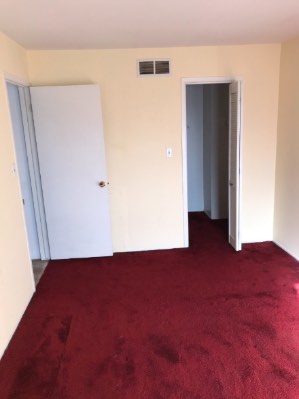
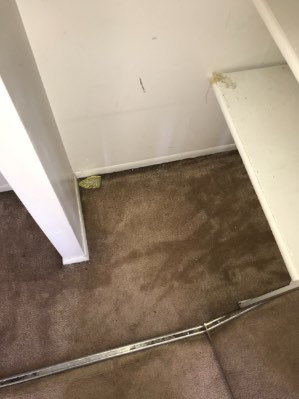
11) Some interior door hardware () were loose, missing and/or Bi-folds. Recommend that a qualified person repair or replace as necessary.
Some interior door hardware () were loose, missing and/or Bi-folds. Recommend that a qualified person repair or replace as necessary.
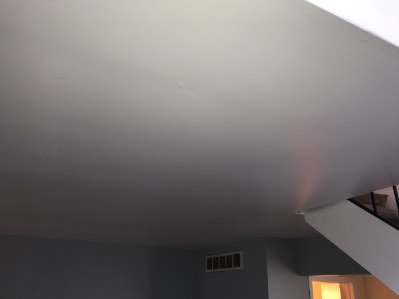
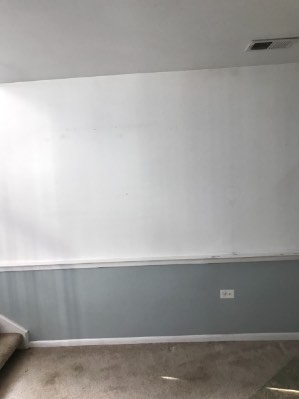
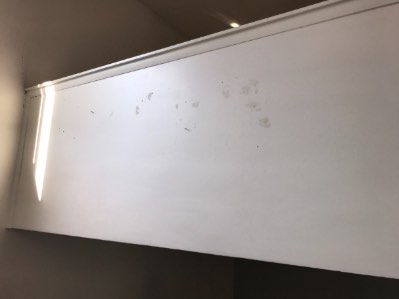
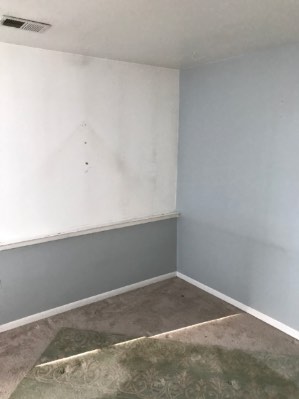
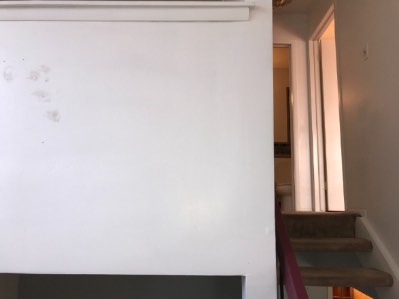
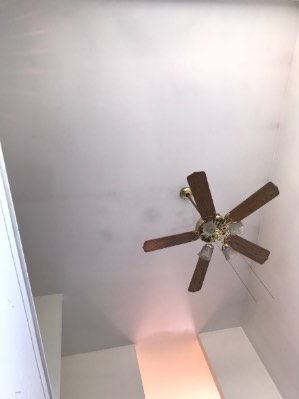
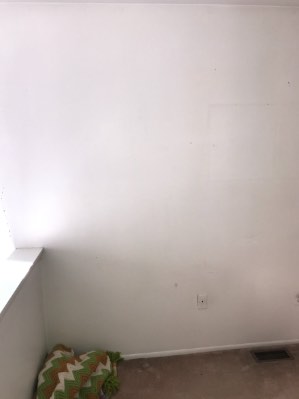
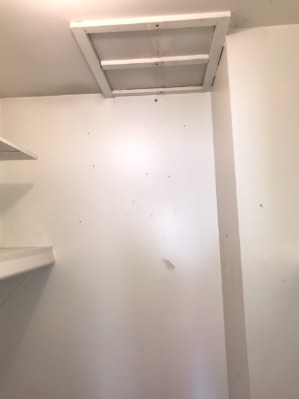
12) Minor cracks, nail pops and/or blemishes were found in walls and/or ceilings in one or more areas. Cracks and nail pops are common, are often caused by lumber shrinkage or minor settlement, and can be more or less noticeable depending on changes in humidity. They did not appear to be a structural concern, but the client may wish to repair these for aesthetic reasons. For recurring cracks, consider using an elastic crack covering product:
http://www.reporthost.com/?ECC
Minor cracks, nail pops and/or blemishes were found in walls and/or ceilings in one or more areas. Cracks and nail pops are common, are often caused by lumber shrinkage or minor settlement, and can be more or less noticeable depending on changes in humidity. They did not appear to be a structural concern, but the client may wish to repair these for aesthetic reasons. For recurring cracks, consider using an elastic crack covering product:http://www.reporthost.com/?ECC