

Inspector: Dominic Sciancalepore
Inspector's phone: (516) 220-5841
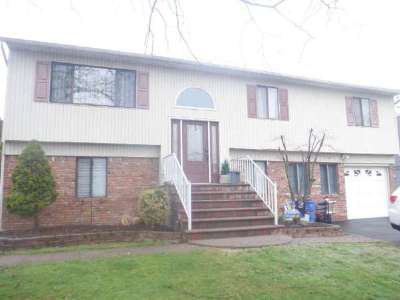
Summary
| Client(s): | Amber Scott & Brett Harding |
| Property address: | 17 Westminster Ln, West Islip, NY 11795. |
| Inspection date: | Friday, April 3, 2026 |
This report published on Saturday, April 4, 2026 2:09:24 PM EDT
This report is the exclusive property of this inspection company and the client(s) listed in the report title. Use of this report by any unauthorized persons is prohibited.
 | Safety | Poses a risk of injury or death |
 | Major Defect | Correction likely involves a significant expense |
 | Repair/Replace | Recommend repairing or replacing |
 | Repair/Maintain | Recommend repair and/or maintenance |
 | Minor Defect | Correction likely involves only a minor expense |
 | Maintain | Recommend ongoing maintenance |
 | Evaluate | Recommend evaluation by a specialist |
 | Monitor | Recommend monitoring in the future |
 | Summary | Include in summary |
 | Comment | For your information |
 | Conducive conditions | Conditions conducive for wood destroying insects or organisms (Wood-soil contact, shrubs in contact with siding, roof or plumbing leaks, etc.) |
Exterior
13) 

 Paint/Caulk/Trim/Mortar is loose, missing or deteriorated in some areas and should be replaced and/or applied where necessary. Proper methods of sealing the home should be used as per standard building practices in order to prevent water, insect and vermin intrusion therefore preserving the structure. This can be addressed by a qualified siding contractor, painter and or a mason as appropriate.
Paint/Caulk/Trim/Mortar is loose, missing or deteriorated in some areas and should be replaced and/or applied where necessary. Proper methods of sealing the home should be used as per standard building practices in order to prevent water, insect and vermin intrusion therefore preserving the structure. This can be addressed by a qualified siding contractor, painter and or a mason as appropriate.
14)  Siding is loose, patched, damaged and/or deteriorated in one or more areas. A qualified contractor should evaluate and make repairs and/or replace siding as necessary to prevent water and vermin intrusion.
Siding is loose, patched, damaged and/or deteriorated in one or more areas. A qualified contractor should evaluate and make repairs and/or replace siding as necessary to prevent water and vermin intrusion.
15) Soffit boards are loose, damaged or deteriorated in one or more areas. A qualified contractor should evaluate and make repairs as necessary.
Soffit boards are loose, damaged or deteriorated in one or more areas. A qualified contractor should evaluate and make repairs as necessary.
19) One or more downspouts have no extensions, or have extensions that are ineffective, damaged clogged underground lines or unknown terminations. This can result in water accumulating around the structure's foundation, or in basements and crawl spaces if they exist. Accumulated water is a conducive condition to wood destroying insects and organisms, and may also cause the foundation to settle and possibly fail over time. Repairs should be made as necessary, such as installing or repositioning extensions, or installing and/or repairing tie-ins to underground drain lines, so rain water is carried at least several feet away from the structure to soil that slopes down and away from the structure.
One or more downspouts have no extensions, or have extensions that are ineffective, damaged clogged underground lines or unknown terminations. This can result in water accumulating around the structure's foundation, or in basements and crawl spaces if they exist. Accumulated water is a conducive condition to wood destroying insects and organisms, and may also cause the foundation to settle and possibly fail over time. Repairs should be made as necessary, such as installing or repositioning extensions, or installing and/or repairing tie-ins to underground drain lines, so rain water is carried at least several feet away from the structure to soil that slopes down and away from the structure.
24)  There are masonry steps, walkways and or patio sections in one or more areas that are settling and or somewhat deteriorated and will require repairs/maintenance to prevent further deterioration, potentially compromise safety and or cause more expensive repairs in the future. This should be evaluated and repaired by a qualified mason.
There are masonry steps, walkways and or patio sections in one or more areas that are settling and or somewhat deteriorated and will require repairs/maintenance to prevent further deterioration, potentially compromise safety and or cause more expensive repairs in the future. This should be evaluated and repaired by a qualified mason.
25) There are sections of the deck that are irregular and should be evaluated by a qualified deck contractor to ensure the safety and longevity of the deck. Any recommended repairs should be completed as per standard building practices meeting and or exceeding current local building codes.
There are sections of the deck that are irregular and should be evaluated by a qualified deck contractor to ensure the safety and longevity of the deck. Any recommended repairs should be completed as per standard building practices meeting and or exceeding current local building codes.
Roof
32) 
 This asphalt or fiberglass composition roof surface has two or more layers of roofing materials. When this roof is replaced, recommend a complete "tear off", where all existing layers of roofing are removed before installing new roofing materials. For 20-year rated composition shingles, additional layers of material reduce the new roof material's lifespan as follows:
Removing existing roofing materials will significantly increase the cost of the next roof.
Also, the roof structure below the surface is "skip sheathed" where batten boards rather than sheets of plywood support the roof surface. Installing a composition fiberglass or asphalt roof in the future will require the additional expense of installing sheathing, such as plywood or oriented strand board (OSB) over the batten boards.
This asphalt or fiberglass composition roof surface has two or more layers of roofing materials. When this roof is replaced, recommend a complete "tear off", where all existing layers of roofing are removed before installing new roofing materials. For 20-year rated composition shingles, additional layers of material reduce the new roof material's lifespan as follows:- 16-20 years - First roof
- 12-16 years - Second layer on existing roof
Removing existing roofing materials will significantly increase the cost of the next roof.
Also, the roof structure below the surface is "skip sheathed" where batten boards rather than sheets of plywood support the roof surface. Installing a composition fiberglass or asphalt roof in the future will require the additional expense of installing sheathing, such as plywood or oriented strand board (OSB) over the batten boards.
33) One or more composition shingles are damaged, deteriorated and/or missing, and should be replaced. Leaks may occur as a result. A qualified roofing contractor should evaluate and make repairs as necessary.
One or more composition shingles are damaged, deteriorated and/or missing, and should be replaced. Leaks may occur as a result. A qualified roofing contractor should evaluate and make repairs as necessary.
34) Gaps in the roof surface were found at the condensation drain roof penetrations. These result in leaks wit stains corresponding below. A qualified roofing contractor should evaluate and repair as necessary.
Gaps in the roof surface were found at the condensation drain roof penetrations. These result in leaks wit stains corresponding below. A qualified roofing contractor should evaluate and repair as necessary.
35) The asphalt shingles show signs of deterioration and granule loss. It is recommended to consult with a roofing service contractor that will provide services to extend the remaining life of the roof and warranty until it is replaced. Full replacement is recommended in the near future due to fungal growth conditions caused in the attic from poor ventilation.
The asphalt shingles show signs of deterioration and granule loss. It is recommended to consult with a roofing service contractor that will provide services to extend the remaining life of the roof and warranty until it is replaced. Full replacement is recommended in the near future due to fungal growth conditions caused in the attic from poor ventilation.
36) There are one or more areas of the roof where sealant is or should be used such as
on seams, nail heads, penetrations and flashings. As routine maintenance it is recommended to reseal these NOW and as needed considering the sealant will age much quicker than the roof shingles themselves. Without proper maintenance leaks will likely occur. Some roof maintenance companies apply oils to the roof which greatly slow the aging process preventing shingles from drying out and granule loss therefore providing the maximum life out of a roof.
There are one or more areas of the roof where sealant is or should be used such as on seams, nail heads, penetrations and flashings. As routine maintenance it is recommended to reseal these NOW and as needed considering the sealant will age much quicker than the roof shingles themselves. Without proper maintenance leaks will likely occur. Some roof maintenance companies apply oils to the roof which greatly slow the aging process preventing shingles from drying out and granule loss therefore providing the maximum life out of a roof.
Fireplaces, woodstoves and chimneys
40) The masonry chimney is deteriorated in one or more areas and should be repaired to prevent further, significant deterioration. Recommend having a qualified chimney service contractor or mason evaluate chimney and repair as necessary. This will likely require repointing the mortar, sealing openings in flashing and or repairing the crown.
The masonry chimney is deteriorated in one or more areas and should be repaired to prevent further, significant deterioration. Recommend having a qualified chimney service contractor or mason evaluate chimney and repair as necessary. This will likely require repointing the mortar, sealing openings in flashing and or repairing the crown.
Attic
42)  There is excessive staining on the underside of the roof that appears to contain organic growth. It is likely that testing, cleaning and encapsulation will be recommended, it is also possible that removal of insulation may be needed if labeled as contaminated.
It is recommended for the attic to be fully evaluated by a qualified moisture damage remediation/restoration contractor.
There is excessive staining on the underside of the roof that appears to contain organic growth. It is likely that testing, cleaning and encapsulation will be recommended, it is also possible that removal of insulation may be needed if labeled as contaminated.It is recommended for the attic to be fully evaluated by a qualified moisture damage remediation/restoration contractor.
44) There are one or more locations in the attic that exhibit signs of excessive humidity past or present like corrosion on nails, staining and or drip marks. There are areas that contain organic growth and need antimicrobial treatments/remediation. Sources such as bathroom exhaust fans, openings from finished living areas and or other sources of humidity should be evaluated by a qualified contractor and repaired as needed.
There are one or more locations in the attic that exhibit signs of excessive humidity past or present like corrosion on nails, staining and or drip marks. There are areas that contain organic growth and need antimicrobial treatments/remediation. Sources such as bathroom exhaust fans, openings from finished living areas and or other sources of humidity should be evaluated by a qualified contractor and repaired as needed.
Interior rooms
50) One or more open ground, three-pronged grounding type receptacles were found. This is a safety hazard due to the risk of shock. A qualified electrician should evaluate and make repairs as necessary.
Grounding type receptacles were first required in residential structures during the 1960s. Based on the age of this structure and/or the absence of 2-pronged receptacles, repairs should be made by correcting wiring circuits as necessary so all receptacles are grounded as per standard building practices. Replacement of three-pronged receptacles with 2-pronged receptacles is not an acceptable solution.
Please note GFCI outlets will not provide the wet location safety precaution they are intended to provide without a proper ground.
One or more open ground, three-pronged grounding type receptacles were found. This is a safety hazard due to the risk of shock. A qualified electrician should evaluate and make repairs as necessary. Grounding type receptacles were first required in residential structures during the 1960s. Based on the age of this structure and/or the absence of 2-pronged receptacles, repairs should be made by correcting wiring circuits as necessary so all receptacles are grounded as per standard building practices. Replacement of three-pronged receptacles with 2-pronged receptacles is not an acceptable solution.
Please note GFCI outlets will not provide the wet location safety precaution they are intended to provide without a proper ground.
58) Seals between double-pane glass in one or more windows appear to have failed based on condensation or stains between the panes of glass. A qualified contractor should evaluate and replace glass where necessary.
The client(s) should be aware that evidence of broken seals may be more or less visible from one day to the next depending on the temperature, humidity, sunlight, etc. Windows or glass doors other than those that the inspector identified may also have failed seals and need glass replaced too.
Seals between double-pane glass in one or more windows appear to have failed based on condensation or stains between the panes of glass. A qualified contractor should evaluate and replace glass where necessary.The client(s) should be aware that evidence of broken seals may be more or less visible from one day to the next depending on the temperature, humidity, sunlight, etc. Windows or glass doors other than those that the inspector identified may also have failed seals and need glass replaced too.
62) Multiple windows are original, do not properly open/close, stay up, lock and or have damaged, deteriorated/missing components. It is recommended to have a qualified window contractor evaluate and repair as seen fit.
Multiple windows are original, do not properly open/close, stay up, lock and or have damaged, deteriorated/missing components. It is recommended to have a qualified window contractor evaluate and repair as seen fit.
Kitchen
78) One or more open ground, three-pronged grounding type receptacles were found. This is a safety hazard due to the risk of shock. A qualified electrician should evaluate and make repairs as necessary.
Grounding type receptacles were first required in residential structures during the 1960s. Based on the age of this structure and/or the absence of 2-pronged receptacles, repairs should be made by correcting wiring circuits as necessary so all receptacles are grounded as per standard building practices. Replacement of three-pronged receptacles with 2-pronged receptacles is not an acceptable solution.
Please note GFCI outlets will not provide the wet location safety precaution they are intended to provide without a proper ground.
One or more open ground, three-pronged grounding type receptacles were found. This is a safety hazard due to the risk of shock. A qualified electrician should evaluate and make repairs as necessary. Grounding type receptacles were first required in residential structures during the 1960s. Based on the age of this structure and/or the absence of 2-pronged receptacles, repairs should be made by correcting wiring circuits as necessary so all receptacles are grounded as per standard building practices. Replacement of three-pronged receptacles with 2-pronged receptacles is not an acceptable solution.
Please note GFCI outlets will not provide the wet location safety precaution they are intended to provide without a proper ground.
79) One or more electric receptacles that serve a countertop with a water source appear to have no PROPERLY GROUNDED ground fault circuit interrupter (GFCI) protection. This is a safety hazard due to the risk of shock. A qualified electrician should evaluate to determine if GFCI protection exists, and if not, repairs should be made so that all receptacles that serve countertops have GFCI protection with a proper ground. For example, install GFCI receptacles or circuit breaker(s) as needed.
One or more electric receptacles that serve a countertop with a water source appear to have no PROPERLY GROUNDED ground fault circuit interrupter (GFCI) protection. This is a safety hazard due to the risk of shock. A qualified electrician should evaluate to determine if GFCI protection exists, and if not, repairs should be made so that all receptacles that serve countertops have GFCI protection with a proper ground. For example, install GFCI receptacles or circuit breaker(s) as needed.