

(360) 676-6908
Inspector's email: steven-l-smith@comcast.net
Summary
| Client(s): | Janet Doe |
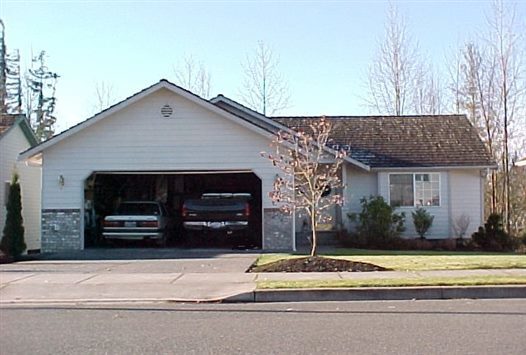
| Property address: | 1445 Mulberry Lane |
| Inspection date: | Friday, November 12, 2004 |
This report published on Tuesday, October 30, 2018 5:07:39 PM PDT
This is not the complete report. This is the report summary. The concerns listed here are, in the inspector's opinion, more likely to be the higher priority issues that require immediate attention. This summary is not numerically sequential as it plucks descriptions from the full report but leaves them at the same number they had in the full report. Since a client might put more priority on some concerns, that might seem routine to an inspector, the non-summary items should not be ignored. The client should read the full report.
 | Cautionary | Safety concern |
 | Replace-Repair | Replace or repair |
 | Repair-Maintain | Repair and maintain over time |
 | Review-Evaluate | Professional to review, service, repair, replace or, as applicable, client(s) to evaluate information and determine personal level of concern |
 | Maintenance-Service (repair) | Maintain, service or repair |
 | Monitor-Status check | Periodically verify/observe the condition or, as applicable, confirm performance of system-components |
 | Onsite notes | Onsite observations and suggestions |
 | Informational | Background-informational comment |
 | Damage | Deterioration, damage or rot as a result of weather exposure or wood destroying organisms |
 | Conducive conditions | A condition that may attract wood destroying organisms (Wood-soil contact, water leaks, etc.) |
Site and Exterior
5) Balcony/deck: Guardrails at the high wood back deck are wobbly and unstable. Positive connections are missing at the tops of the high columns that provide critical support. Wood decay (rot) was evident at joists and wood decking. A cross brace, that runs between the columns, has decayed. There is no metal flashing where the balcony meets the side of the house -- conducive to moisture seepage into the exterior wall. I recommend further evaluation, and appropriate repairs, with all work and safety upgrades to be performed by a licensed contractor. When job is complete, refinish the structure with a preservative/sealant to protect against moisture penetration. A short video, produced by King of the House Inc., on the topic of rot or wood decay fungi may be accessed at this link: http://youtu.be/6p8q1Pa1H_U
Balcony/deck: Guardrails at the high wood back deck are wobbly and unstable. Positive connections are missing at the tops of the high columns that provide critical support. Wood decay (rot) was evident at joists and wood decking. A cross brace, that runs between the columns, has decayed. There is no metal flashing where the balcony meets the side of the house -- conducive to moisture seepage into the exterior wall. I recommend further evaluation, and appropriate repairs, with all work and safety upgrades to be performed by a licensed contractor. When job is complete, refinish the structure with a preservative/sealant to protect against moisture penetration. A short video, produced by King of the House Inc., on the topic of rot or wood decay fungi may be accessed at this link: http://youtu.be/6p8q1Pa1H_U
6) The high back balcony/deck is not positively anchored to the building. A ledger board should be attached with lag screws/bolts or other approved fasteners. The fasteners would be driven into framing and staggered across the ledger board. Lag screws are less subject to withdrawal than nails and they better resist lateral and vertical forces. Suitable fasteners should be installed at the ledger board to protect against pull-away of the deck from the exterior wall. I recommend further evaluation, and appropriate repairs, with work to be completed by a general contractor.
The high back balcony/deck is not positively anchored to the building. A ledger board should be attached with lag screws/bolts or other approved fasteners. The fasteners would be driven into framing and staggered across the ledger board. Lag screws are less subject to withdrawal than nails and they better resist lateral and vertical forces. Suitable fasteners should be installed at the ledger board to protect against pull-away of the deck from the exterior wall. I recommend further evaluation, and appropriate repairs, with work to be completed by a general contractor.
7) The column that holds up the front porch roof, due to settling of the porch slab below, is no longer supported. It no longer has bearing. The slab has sunk 1 1/2" to 2" at this side. This is a structural issue that has led to sag of the roof. I recommend further assessment, and appropriate repair, with work to be performed by a qualified party such as a concrete/paving contractor.
The column that holds up the front porch roof, due to settling of the porch slab below, is no longer supported. It no longer has bearing. The slab has sunk 1 1/2" to 2" at this side. This is a structural issue that has led to sag of the roof. I recommend further assessment, and appropriate repair, with work to be performed by a qualified party such as a concrete/paving contractor.
8) The fiber cement lap siding is loose, insufficiently and incorrectly attached: Butt ends are too tight together, a condition that does not allow for seasonal expansion and contraction. I recommend further evaluation, and repairs, with work to be completed by a general contractor. This manufacturer produced video explains how to install fiber cement siding: http://youtu.be/5Qwax7d9O_k
The fiber cement lap siding is loose, insufficiently and incorrectly attached: Butt ends are too tight together, a condition that does not allow for seasonal expansion and contraction. I recommend further evaluation, and repairs, with work to be completed by a general contractor. This manufacturer produced video explains how to install fiber cement siding: http://youtu.be/5Qwax7d9O_k
9) Wood trim, at some locations, has decayed (rotted). This includes trim at the south end, near the exhaust hood from the gas fireplace. Also, there is fascia decay at the south end of the downspout in front. Under the deck, at the S/E corner, there is decayed trim. I recommend further review by licensed contractor: Locate and remove decayed materials, replace them with sound wood and eliminate all conducive conditions. When repairs are complete, as might be necessary onsite, caulk and paint exterior components.
Wood trim, at some locations, has decayed (rotted). This includes trim at the south end, near the exhaust hood from the gas fireplace. Also, there is fascia decay at the south end of the downspout in front. Under the deck, at the S/E corner, there is decayed trim. I recommend further review by licensed contractor: Locate and remove decayed materials, replace them with sound wood and eliminate all conducive conditions. When repairs are complete, as might be necessary onsite, caulk and paint exterior components.
Attached garage
17) There is a breach in the fire-resistance between the garage and the dwelling. A fire in the garage could be "drawn" into the attic that extends over the home. A proper garage interior has no openings, gaps or holes in drywall that could allow a fire in the garage to spread to wood framing. When the garage is empty, no vehicles and storage, I recommend repair of the deficiencies in the fire-resistance so the garage complies with all of the established safety guidelines. Further evaluation and work to be completed by a qualified contractor. An informational video, produced by King of the House Inc., on the topic of garage fire-resistance may be accessed at this link: http://youtu.be/zmyjT5hd87E
There is a breach in the fire-resistance between the garage and the dwelling. A fire in the garage could be "drawn" into the attic that extends over the home. A proper garage interior has no openings, gaps or holes in drywall that could allow a fire in the garage to spread to wood framing. When the garage is empty, no vehicles and storage, I recommend repair of the deficiencies in the fire-resistance so the garage complies with all of the established safety guidelines. Further evaluation and work to be completed by a qualified contractor. An informational video, produced by King of the House Inc., on the topic of garage fire-resistance may be accessed at this link: http://youtu.be/zmyjT5hd87E
18) The motorized garage vehicle door stops and then "auto-reverses" on impact, but it requires too much force, hard impact, before the door reverses. The door should, upon striking an object, begin to reverse/fully reverse. Even if electronic sensor eyes are installed and functional, failure to auto-reverse is a safety concern -- especially so for children or pets. I recommend that a garage door contractor repair/replace and further evaluate door and mechanism. Three basic safety evaluations are commonly performed at motorized garage vehicle doors: (1) floor test, (2) mid-height test, (3) sensor eyes test. An article that better explains the testing procedures employed may be accessed at this link: http://goo.gl/UTsWis
The motorized garage vehicle door stops and then "auto-reverses" on impact, but it requires too much force, hard impact, before the door reverses. The door should, upon striking an object, begin to reverse/fully reverse. Even if electronic sensor eyes are installed and functional, failure to auto-reverse is a safety concern -- especially so for children or pets. I recommend that a garage door contractor repair/replace and further evaluate door and mechanism. Three basic safety evaluations are commonly performed at motorized garage vehicle doors: (1) floor test, (2) mid-height test, (3) sensor eyes test. An article that better explains the testing procedures employed may be accessed at this link: http://goo.gl/UTsWis
19) The wood panel overhead vehicle door has been exposed to heavy moisture and decay (rot) is present, both inside and at the exterior. I recommend having a garage door professional replace the door. Alternatively, clients could clean it, scrape it, patch it and re-finish it in an attempt to gain some additional life from the door.
The wood panel overhead vehicle door has been exposed to heavy moisture and decay (rot) is present, both inside and at the exterior. I recommend having a garage door professional replace the door. Alternatively, clients could clean it, scrape it, patch it and re-finish it in an attempt to gain some additional life from the door.
20) The manufactured stone wainscot, sides of the vehicle door, is too close to the paving, an installation deficiency that could result in moisture being trapped behind stone. Standard installation guidelines specify installing weep screed and terminating the bottom side of the stone 2" above paving or 4" above earth/grade. I recommend repairs, further review with work to be completed by a qualified contractor. To see a diagram, illustrative of standard and recommended clearances to stone-masonry materials, please follow this link: https://goo.gl/jlqmLc
The manufactured stone wainscot, sides of the vehicle door, is too close to the paving, an installation deficiency that could result in moisture being trapped behind stone. Standard installation guidelines specify installing weep screed and terminating the bottom side of the stone 2" above paving or 4" above earth/grade. I recommend repairs, further review with work to be completed by a qualified contractor. To see a diagram, illustrative of standard and recommended clearances to stone-masonry materials, please follow this link: https://goo.gl/jlqmLc
Roof
22) At several locations, lumber (rafter tails-fascia/trim) up at the roofline, has decayed-rotted. Qualified party such as general contractor or roofer to correct/repair by locating and removing any deteriorated wood and replacing it with sound materials. On a case by case basis, install or improve upon flashings -- so they direct runoff water from the roof over the rafter tails or fascia. Flashings, typically cut from shingles or metal, should extend approximately 2" over any tails. A photo of two rafters, one with a flashing and the other without, may be accessed at this link: http://goo.gl/XV9z0F
At several locations, lumber (rafter tails-fascia/trim) up at the roofline, has decayed-rotted. Qualified party such as general contractor or roofer to correct/repair by locating and removing any deteriorated wood and replacing it with sound materials. On a case by case basis, install or improve upon flashings -- so they direct runoff water from the roof over the rafter tails or fascia. Flashings, typically cut from shingles or metal, should extend approximately 2" over any tails. A photo of two rafters, one with a flashing and the other without, may be accessed at this link: http://goo.gl/XV9z0F
23) Lichen and moss are growing on the shakes in some locations such as at the front. Shakes are natural products that can weather and rot. This roof is in need of professional cleaning and it is at a point where, if it does not receive attention, it will degrade and rot. Therefore, I recommend that a qualified roofer, who has experience with wood roofs, further review and clean the roof. At that time, complete any repairs such as replacing curled or split shakes and, as applicable, apply preservative treatment to roof surface.
Lichen and moss are growing on the shakes in some locations such as at the front. Shakes are natural products that can weather and rot. This roof is in need of professional cleaning and it is at a point where, if it does not receive attention, it will degrade and rot. Therefore, I recommend that a qualified roofer, who has experience with wood roofs, further review and clean the roof. At that time, complete any repairs such as replacing curled or split shakes and, as applicable, apply preservative treatment to roof surface.
24) The roof/wall flashing over the small roof, at the east, is improperly installed at the top. The flashing should go under and behind the siding. At the south edge the metal extends out from underneath the siding. If water gets behind that flashing, it could cause damage at the exterior wall. I recommend further review by roofing professional: Adjust/repair the flashing.
The roof/wall flashing over the small roof, at the east, is improperly installed at the top. The flashing should go under and behind the siding. At the south edge the metal extends out from underneath the siding. If water gets behind that flashing, it could cause damage at the exterior wall. I recommend further review by roofing professional: Adjust/repair the flashing.
Attic
27) The insulation in this attic is resting around the metal B-vent from the furnace. A B-vent can achieve temperatures of 300 degrees when gas appliances are operating. The vent should be, minimum, 1" away from flammables including insulation. I recommend removing insulation directly around the vent and installing, in most instances, a sheet metal shield that separates the vent from insulation. Any work, further review of vent(s), to be completed by qualified party such as an HVAC professional. For more information on combustible clearances, please visit: http://goo.gl/2c7Plb
The insulation in this attic is resting around the metal B-vent from the furnace. A B-vent can achieve temperatures of 300 degrees when gas appliances are operating. The vent should be, minimum, 1" away from flammables including insulation. I recommend removing insulation directly around the vent and installing, in most instances, a sheet metal shield that separates the vent from insulation. Any work, further review of vent(s), to be completed by qualified party such as an HVAC professional. For more information on combustible clearances, please visit: http://goo.gl/2c7Plb
Electric service
32) Double-tapping is present at two terminals in the main breaker panel. These breakers appear to be designed to accommodate only one wire under the lug. (UL) Underwriters Laboratories has identified this as a safety hazard since the conductors are likely to loosen which could lead to safety issues. In related matters, the inside of the panel has been painted and some wires require re-identification. When wires with white sheathing are serving as hot conductors, they should be marked with black or red tape or paint. I recommend that a licensed electrician further evaluate the panel, wiring/connections and repair as might be necessary.
Double-tapping is present at two terminals in the main breaker panel. These breakers appear to be designed to accommodate only one wire under the lug. (UL) Underwriters Laboratories has identified this as a safety hazard since the conductors are likely to loosen which could lead to safety issues. In related matters, the inside of the panel has been painted and some wires require re-identification. When wires with white sheathing are serving as hot conductors, they should be marked with black or red tape or paint. I recommend that a licensed electrician further evaluate the panel, wiring/connections and repair as might be necessary.
33) Inadequate access/clearance exists at the main service panel. This panel has a storage shelf in front of it. While the inspector did take the screws out of the shelf, and remove the panel cover, this location does not meet minimum accessibility guidelines. A panel, to be considered accessible, must have:
- An open area, minimum 30" wide x 3 ft deep at the front, and panel not located on or over a stairway
- A minimum 6 ft-3" of headroom in front
- Walls, below the panel, unencumbered clear down to the floor-ground
- Center of the grip of the operating handle of the switch or circuit breaker not more than 6 ft 7" above the floor or a working platform
To view a diagram that better illustrates recommended panel clearances, please follow this link: http://goo.gl/cyBUKn
Inadequate access/clearance exists at the main service panel. This panel has a storage shelf in front of it. While the inspector did take the screws out of the shelf, and remove the panel cover, this location does not meet minimum accessibility guidelines. A panel, to be considered accessible, must have:- An open area, minimum 30" wide x 3 ft deep at the front, and panel not located on or over a stairway
- A minimum 6 ft-3" of headroom in front
- Walls, below the panel, unencumbered clear down to the floor-ground
- Center of the grip of the operating handle of the switch or circuit breaker not more than 6 ft 7" above the floor or a working platform
To view a diagram that better illustrates recommended panel clearances, please follow this link: http://goo.gl/cyBUKn
34) Closet lighting: An exposed, uncovered, light fixture/bulb was apparent in the master bedroom clothes closet. Any incandescent light fixtures must be approved for closet use and have covers that fully enclose bulbs -- so energized lighting (hot) cannot come in contact with flammables. I recommend repair/replacement, properly covering, any such fixtures. Work, if it involves rewiring or changing fixtures, to be completed by a qualified electrician.
Closet lighting: An exposed, uncovered, light fixture/bulb was apparent in the master bedroom clothes closet. Any incandescent light fixtures must be approved for closet use and have covers that fully enclose bulbs -- so energized lighting (hot) cannot come in contact with flammables. I recommend repair/replacement, properly covering, any such fixtures. Work, if it involves rewiring or changing fixtures, to be completed by a qualified electrician.
35) In the kitchen, the island countertop is missing an electrical receptacle (outlet). To reduce the probability of occupants running appliance cords across pathways where people walk, specific installation guidelines apply to kitchen countertop receptacles. Licensed electrician to review and install receptacle. A diagram (clarification of today's requirements as to the placement of suggested kitchen countertop receptacles) is available at this link: https://goo.gl/6rqLYO
In the kitchen, the island countertop is missing an electrical receptacle (outlet). To reduce the probability of occupants running appliance cords across pathways where people walk, specific installation guidelines apply to kitchen countertop receptacles. Licensed electrician to review and install receptacle. A diagram (clarification of today's requirements as to the placement of suggested kitchen countertop receptacles) is available at this link: https://goo.gl/6rqLYO
Water heater
40) The temperature pressure relief valve drain line is below grade, buried in the dirt -- impedes flow and is a safety concern. The tubing should terminate 6" to 24" above grade. I recommend immediate repair (trimming drain line) and further evaluation by a qualified plumbing contractor. To see a short video on this topic, produced by King of the House Home Inspection, please visit: http://youtu.be/iwCfEWvzYds
The temperature pressure relief valve drain line is below grade, buried in the dirt -- impedes flow and is a safety concern. The tubing should terminate 6" to 24" above grade. I recommend immediate repair (trimming drain line) and further evaluation by a qualified plumbing contractor. To see a short video on this topic, produced by King of the House Home Inspection, please visit: http://youtu.be/iwCfEWvzYds
41) The hot water temperature at fixtures reads as a minimum of 130 degrees Fahrenheit. The risk of scalding increases when water temperature exceeds 120 degrees. Adjust or modify system so as to establish, at fixtures, a maximum water temperature of 120 degrees. Water temperature is regulated at this gas water heater by a thermostatic control at the front bottom of the tank. Temperature can fluctuate between fixtures and it is somewhat dependent on when the tank last heated water. Although the temperature at fixtures should be limited to 120 degrees, maintaining a higher water temperature inside a tank is advisable: lesser probability of bacterial growth, hotter water to washing machines and dishwashers. Therefore, a preferred means of adjusting water temperature involves installing a thermal mixing valve in the system -- water heater could run at a higher temperature (typically 130-140 degree range), yet water at fixtures would be limited to 120 degrees. At client’s discretion, choose to adjust thermostat(s) or have a thermal mixing valve put into system. Any work to be completed by qualified party such as plumber. To obtain more information on hot water safety, please visit: http://goo.gl/IS7knJ
The hot water temperature at fixtures reads as a minimum of 130 degrees Fahrenheit. The risk of scalding increases when water temperature exceeds 120 degrees. Adjust or modify system so as to establish, at fixtures, a maximum water temperature of 120 degrees. Water temperature is regulated at this gas water heater by a thermostatic control at the front bottom of the tank. Temperature can fluctuate between fixtures and it is somewhat dependent on when the tank last heated water. Although the temperature at fixtures should be limited to 120 degrees, maintaining a higher water temperature inside a tank is advisable: lesser probability of bacterial growth, hotter water to washing machines and dishwashers. Therefore, a preferred means of adjusting water temperature involves installing a thermal mixing valve in the system -- water heater could run at a higher temperature (typically 130-140 degree range), yet water at fixtures would be limited to 120 degrees. At client’s discretion, choose to adjust thermostat(s) or have a thermal mixing valve put into system. Any work to be completed by qualified party such as plumber. To obtain more information on hot water safety, please visit: http://goo.gl/IS7knJ
42) This water heater has extensive rust at the draft hood/flue and steel nipples have been, improperly so, used in the water supply and outlet lines. As a result of the dis-similar metals being in contact, galvanic action has taken place and there is significant corrosion at the fittings. This water heater is 10 years of age, estimated design life of a water heater is 8 to 12 years. In light of rust and the overall condition of the tank, I recommend further assessment and repairs or replacement, with work to be completed by a qualified plumbing contractor.
This water heater has extensive rust at the draft hood/flue and steel nipples have been, improperly so, used in the water supply and outlet lines. As a result of the dis-similar metals being in contact, galvanic action has taken place and there is significant corrosion at the fittings. This water heater is 10 years of age, estimated design life of a water heater is 8 to 12 years. In light of rust and the overall condition of the tank, I recommend further assessment and repairs or replacement, with work to be completed by a qualified plumbing contractor.
HVAC (Heating, ventilation and air conditioning)
43) Supplemental heat in the kitchen is provided by a fan-assisted wall heater. The lower edge of the heater is mounted below the hardwood floor. The heater, at the time of the inspection, was putting out temperatures as high as 240 degrees. Wood typically can ignite at 450 degrees; however, wood continually exposed to high temperatures over a long period of time is altered (pyrolysis) so it is susceptible to igniting at lower temperatures. I recommend repair/replacement/further evaluation by a qualified party such as a licensed electrician.
Supplemental heat in the kitchen is provided by a fan-assisted wall heater. The lower edge of the heater is mounted below the hardwood floor. The heater, at the time of the inspection, was putting out temperatures as high as 240 degrees. Wood typically can ignite at 450 degrees; however, wood continually exposed to high temperatures over a long period of time is altered (pyrolysis) so it is susceptible to igniting at lower temperatures. I recommend repair/replacement/further evaluation by a qualified party such as a licensed electrician.
44) This furnace has an accumulation of white condensate on the interior, a sign that it requires service. This unit is 11 years of age. Forced-air furnaces have a life expectancy of 15-20 years. But, to maintain and extend the life of the appliance and for safety, manufacturers recommend that these systems be professionally cleaned and serviced by an HVAC professional annually. I recommend that an HVAC professional service the unit at this time. A heating contractor produced video, descriptive of the procedures and tests customarily included as part of HVAC service at a gas furnace, is available at this link: http://youtu.be/IOMcABp5HDE
This furnace has an accumulation of white condensate on the interior, a sign that it requires service. This unit is 11 years of age. Forced-air furnaces have a life expectancy of 15-20 years. But, to maintain and extend the life of the appliance and for safety, manufacturers recommend that these systems be professionally cleaned and serviced by an HVAC professional annually. I recommend that an HVAC professional service the unit at this time. A heating contractor produced video, descriptive of the procedures and tests customarily included as part of HVAC service at a gas furnace, is available at this link: http://youtu.be/IOMcABp5HDE
Plumbing and laundry
46) The clothes dryer is ducted into foil-mylar accordion-type flex duct and the duct was routed through the floor -- down into the crawl space and then to the outside. Ducting that goes through walls, into substructure areas/crawl spaces, must be rigid metal ducting. That ducting should be wrapped with R-4 insulation in unconditioned spaces. Semi-rigid aluminum flex duct (different than plastic or foil accordion flex duct) would be acceptable as a short transition section of ducting behind the dryer. All work/repair to be completed, in a manner that complies with general safety guidelines, by qualified person such as appliance installation professional. For more information on dryers and ducting, please visit: http://goo.gl/B2i6QT
The clothes dryer is ducted into foil-mylar accordion-type flex duct and the duct was routed through the floor -- down into the crawl space and then to the outside. Ducting that goes through walls, into substructure areas/crawl spaces, must be rigid metal ducting. That ducting should be wrapped with R-4 insulation in unconditioned spaces. Semi-rigid aluminum flex duct (different than plastic or foil accordion flex duct) would be acceptable as a short transition section of ducting behind the dryer. All work/repair to be completed, in a manner that complies with general safety guidelines, by qualified person such as appliance installation professional. For more information on dryers and ducting, please visit: http://goo.gl/B2i6QT
Wood stoves, fireplaces, gas fireplaces or stoves
51) The gas fireplace, despite the gas and pilot light both being on, did not operate or turn on with normal controls at the time of the inspection. I recommend repair and service with work to be completed by an HVAC professional. Then, in the future, if the unit is used only occasionally primarily for aesthetics or ambiance, heating professionals recommend that it be serviced about every three years. If it is being used heavily, as a primary heat source, it should be serviced annually, as if it were a furnace. These units, like furnaces, last longer, are more efficient and safer when regularly maintained by heating professionals.
The gas fireplace, despite the gas and pilot light both being on, did not operate or turn on with normal controls at the time of the inspection. I recommend repair and service with work to be completed by an HVAC professional. Then, in the future, if the unit is used only occasionally primarily for aesthetics or ambiance, heating professionals recommend that it be serviced about every three years. If it is being used heavily, as a primary heat source, it should be serviced annually, as if it were a furnace. These units, like furnaces, last longer, are more efficient and safer when regularly maintained by heating professionals.
52) The wood burning fireplace is rusty on the inside. Over time, rust can cause deterioration of, or holes in, metal. The inspector does not light fires or operate dampers which tend to be covered with soot. This is a basic visual examination of a chimney and any associated wood burning device. The National Fire Protection Association has stated that an in-depth Level 2 chimney inspection should be part of every sale or transfer of property with a wood burning device. The Level 2 inspection might reveal defects that were not apparent to the inspector who is a generalist. I recommend repair and further evaluation, Level 2 inspection, with work to be completed by a qualified chimney sweep. For detailed information on chimney inspections, please visit: http://goo.gl/lavkcW
The wood burning fireplace is rusty on the inside. Over time, rust can cause deterioration of, or holes in, metal. The inspector does not light fires or operate dampers which tend to be covered with soot. This is a basic visual examination of a chimney and any associated wood burning device. The National Fire Protection Association has stated that an in-depth Level 2 chimney inspection should be part of every sale or transfer of property with a wood burning device. The Level 2 inspection might reveal defects that were not apparent to the inspector who is a generalist. I recommend repair and further evaluation, Level 2 inspection, with work to be completed by a qualified chimney sweep. For detailed information on chimney inspections, please visit: http://goo.gl/lavkcW
Crawl space
53) There is a plumbing leak, from the main bath toilet, into the crawl space. That toilet is clogged or blocked (as are other fixtures, see "interior" report section). However, this leak at the floor indicates failure of the wax ring that seals the toilet to the floor flange. I recommend further review, immediate repair of plumbing problems onsite, work to be completed by a licensed plumber. As work commences, if any structural damage becomes apparent as a result of leaks, repair accordingly.
There is a plumbing leak, from the main bath toilet, into the crawl space. That toilet is clogged or blocked (as are other fixtures, see "interior" report section). However, this leak at the floor indicates failure of the wax ring that seals the toilet to the floor flange. I recommend further review, immediate repair of plumbing problems onsite, work to be completed by a licensed plumber. As work commences, if any structural damage becomes apparent as a result of leaks, repair accordingly.
Interior rooms
58) Carbon Monoxide Alarms: A preliminary review indicates that no carbon monoxide (CO) alarms are installed on premises. An approved carbon monoxide (CO) alarm should be installed either outside or, if necessary to provide sufficient coverage, inside each separate sleeping area. An inspector does not test, count, or determine the functionality of, or evaluate placement for, consumer alarms (carbon monoxide or smoke). Therefore, I recommend that client further review the interior of the property and, as/if required, add or reposition alarms so as to comply with established safety guidelines and manufacturers' specifications. Occupants should regularly test and replace batteries in alarms and replace any old or nonoperational alarms (10 years is the maximum estimated design life). Clients may obtain detailed information on CO alarms at: http://www.homesafe.com/coalert/detect.htm
Carbon Monoxide Alarms: A preliminary review indicates that no carbon monoxide (CO) alarms are installed on premises. An approved carbon monoxide (CO) alarm should be installed either outside or, if necessary to provide sufficient coverage, inside each separate sleeping area. An inspector does not test, count, or determine the functionality of, or evaluate placement for, consumer alarms (carbon monoxide or smoke). Therefore, I recommend that client further review the interior of the property and, as/if required, add or reposition alarms so as to comply with established safety guidelines and manufacturers' specifications. Occupants should regularly test and replace batteries in alarms and replace any old or nonoperational alarms (10 years is the maximum estimated design life). Clients may obtain detailed information on CO alarms at: http://www.homesafe.com/coalert/detect.htm
59) Sinks: All sinks were inspected. The kitchen sink does not drain at all, it's fully clogged: Seems to be related to a system blockage at the waste line. I recommend further evaluation of onsite plumbing issues, with work to be completed by a qualified plumber.
Sinks: All sinks were inspected. The kitchen sink does not drain at all, it's fully clogged: Seems to be related to a system blockage at the waste line. I recommend further evaluation of onsite plumbing issues, with work to be completed by a qualified plumber.
60) The refrigerator/freezer is Kenmore brand. It was inspected: The gaskets are torn, obviously not sealing well. Furthermore, plastic shelves and interior surfaces are cracked. I recommend further review, probable replacement, with work to be completed by qualified appliance repair or installation professional.
The refrigerator/freezer is Kenmore brand. It was inspected: The gaskets are torn, obviously not sealing well. Furthermore, plastic shelves and interior surfaces are cracked. I recommend further review, probable replacement, with work to be completed by qualified appliance repair or installation professional.
61) Toilets: Three toilets were inspected. The master bath toilet, as noted in the crawl space section, is clogged and leaking. And see another drainage related concern, at "sinks", in this report section. Moisture readings around the half-bath toilet were elevated beyond normal range -- indicative of seepage around the wax ring that seals the toilet at the flange. I recommend further evaluation, repairs as necessary, with work to be performed by a plumbing contractor.
Toilets: Three toilets were inspected. The master bath toilet, as noted in the crawl space section, is clogged and leaking. And see another drainage related concern, at "sinks", in this report section. Moisture readings around the half-bath toilet were elevated beyond normal range -- indicative of seepage around the wax ring that seals the toilet at the flange. I recommend further evaluation, repairs as necessary, with work to be performed by a plumbing contractor.